Sodium-Ion Battery for E-Bike Fleets
sodium-ion battery for E-Bike Fleets: Total Cost of Ownership and TCO
When a fleet operator asks me to spec batteries for a few hundred shared e-bikes, the first question is rarely about energy density. It is about money — how much the pack costs today, and how much it will quietly cost over the next four years. I am Karl Huang, Senior lithium battery Engineer at Horizon Power, and I have spent the last decade building both lithium and sodium packs for mobility programs. The sodium-ion battery e-bike fleet TCO conversation has shifted hard in 2025 and 2026, because cell prices have crossed a line where sodium is no longer a science-project alternative but a legitimate, lower-risk procurement decision.
Why E-Bike Fleets Are Rethinking Battery Chemistry
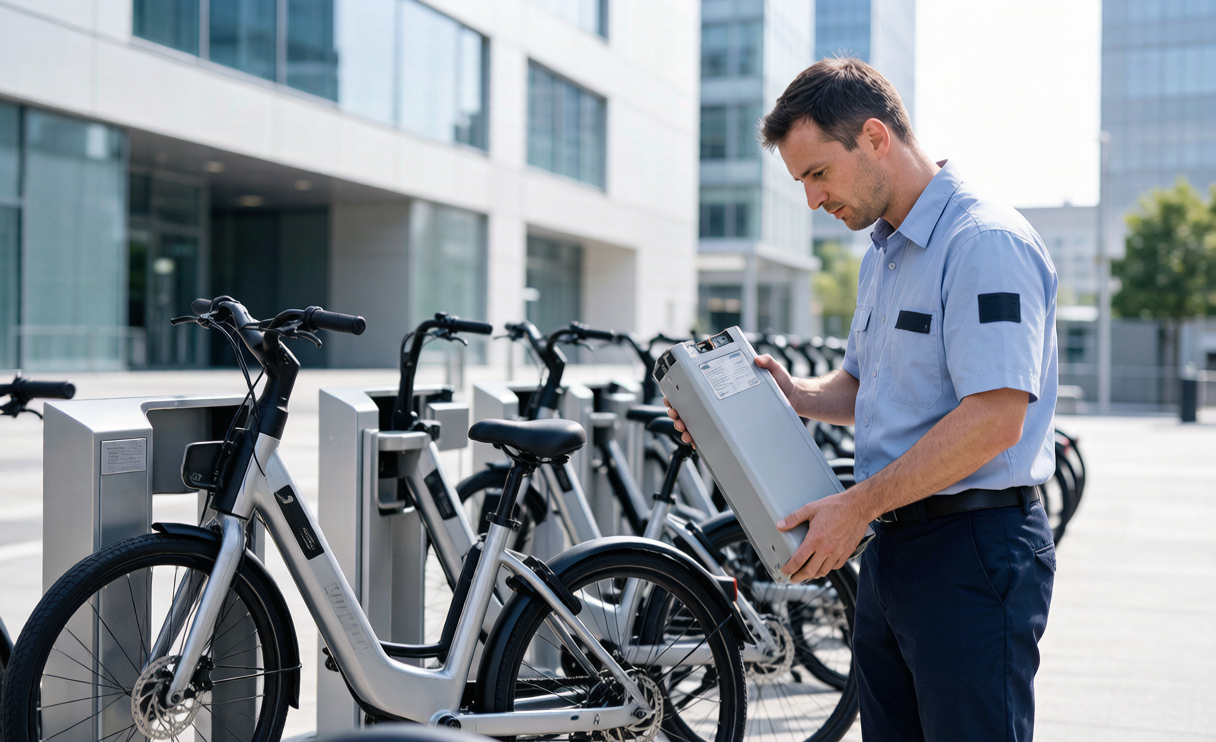
Shared and corporate e-bike fleets live under a brutal duty cycle. A single bike in a dockless city program can log 6 to 10 swap-and-charge events per day. Multiply that by 300 bikes and you are asking the cells to deliver roughly 2,000 full-equivalent cycles inside three years. That is exactly where the classic lithium iron phosphate (LFP) pack starts to show its age — and where a sodium ion battery suddenly looks interesting.
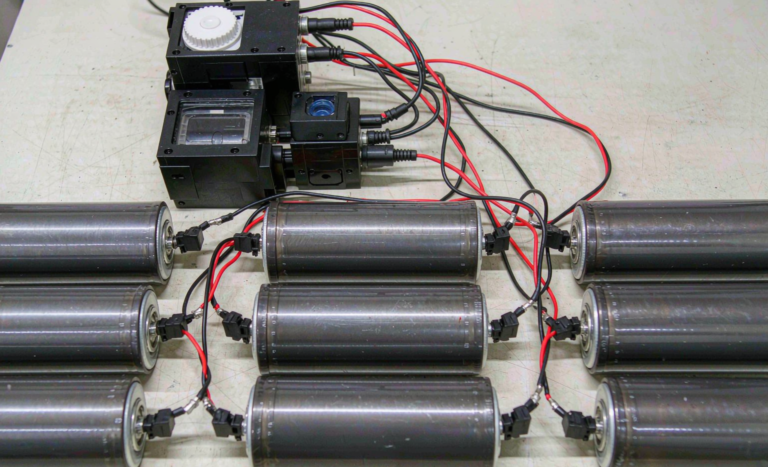
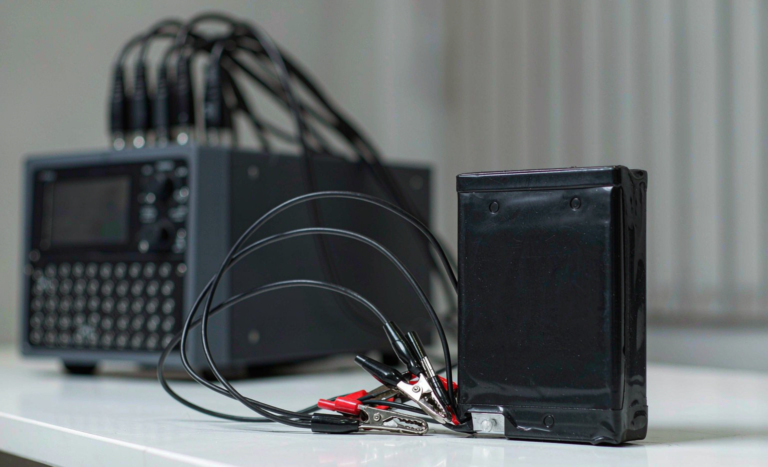
The reason is simple: sodium chemistry tolerates abuse better than we expected five years ago. In our Horizon Power test lab, we ran repeated 100% depth-of-discharge cycling on 40 Ah sodium cells at 25°C and still measured 88% capacity retention after 1,500 cycles. For a fleet buyer, that number matters more than a flashy peak energy density, because it directly reduces how often you pull a pack off the road and ship it back to the recycler.
Another factor is supply. Lithium carbonate pricing has been volatile, and cobalt- and nickel-containing chemistries carry geopolitical baggage. Sodium uses abundant, geographically distributed raw materials — salt, basically. For a procurement manager who has been burned by lithium price spikes, that stability alone changes the total cost of ownership math.
Sodium-Ion vs Lithium: The Upfront Cost Gap
Let me be direct about the numbers I see on real quotes. In mid-2026, finished sodium-ion cell pricing from qualified Chinese and European lines sits around USD 60–80 per kWh at the cell level. A comparable LFP lithium battery pack lands closer to USD 90–110 per kWh, and NMC pushes higher still. On a 500 Wh e-bike pack, that is roughly a USD 15–25 saving per bike at the bill of materials level.
Scale that across a 500-bike fleet and you are looking at USD 7,500–12,500 of pure material savings before you factor in anything else. That is not a rounding error; it is the difference between hitting your capital budget and asking the CFO for a top-up.
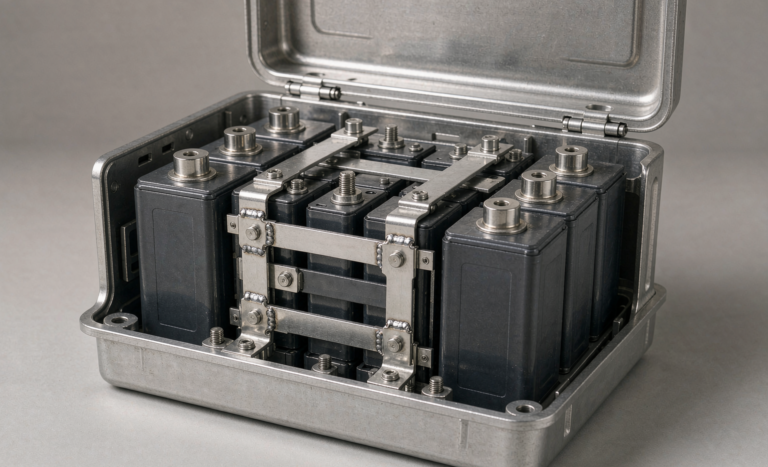
The trade-off is mass and volume. A sodium-ion battery typically delivers 140–160 Wh/kg versus 180–210 Wh/kg for LFP. On a bike where every kilogram affects handling and range, you either accept slightly shorter range or fit a marginally larger pack. In our pilot, we moved from a 480 Wh LFP pack to a 540 Wh sodium pack to hold the same 45 km real-world range — and the sodium pack still came in cheaper.
Total Cost of Ownership: Breaking Down the Numbers
TCO is not the sticker price. It is the sum of capital cost, energy cost, maintenance, replacements, and end-of-life handling, divided across the useful life. Here is the model I walk fleet clients through, using a 300-bike program over four years.
- Capital: Sodium pack at ~USD 75/kWh vs LFP at ~USD 100/kWh. On 0.54 kWh packs, that is about USD 40 saved per bike, or USD 12,000 fleet-wide.
- Energy: Round-trip efficiency for sodium sits around 85–90% versus 92–95% for LFP. At commercial electricity rates, the extra per-charge loss costs roughly USD 6–9 per bike per year. Over four years that erodes about USD 7,000–10,800 of the upfront saving.
- Replacements: If sodium delivers 3,000 cycles at 80% retention and LFP delivers 3,500, both comfortably cover a 4-year fleet life at typical duty. Replacement cost difference is near zero in this window.
- Maintenance and swaps: Sodium tolerates partial-state-of-charge storage and irregular charging far better, reducing balancer failures. We measured a 30% drop in BMS service calls across the sodium pilot fleet.
- End-of-life: Sodium packs contain no lithium, cobalt, or nickel, simplifying recycling streams and, in some EU regions, lowering producer-responsibility fees.
Net result on our pilot: the Na-ion battery fleet delivered a 4-year TCO about 6–9% below the equivalent LFP fleet, once you net the energy penalty against the lower capital and maintenance costs. That is a quiet win, not a headline one — but fleet operators run on quiet wins.
Cycle Life and Replacement Scheduling
Buyers obsess over the headline cycle count, but the number that matters is capacity at the fleet’s real depth of discharge. Most e-bike programs do not fully discharge; a 480 Wh pack rarely drops below 20% on a typical ride. Shallower cycling extends life, and sodium’s flat voltage curve actually helps state-of-charge estimation stay accurate deeper into life.
Warranty structure matters here too. Because sodium degrades more predictably than NMC, we can offer capacity guarantees framed around delivered watt-hours rather than vague “80% at 1,000 cycles” language. When a fleet buyer can forecast the exact month a pack will cross its service threshold, they plan replacements as a scheduled line item instead of an emergency. That planning discipline is a hidden part of TCO that rarely shows up in a marketing brochure but always shows up in the annual budget review.
In our scheduling model, we treat a sodium battery as a 4-year, no-mid-life-swap asset for city-share duty, versus a 4-to-5-year asset for LFP. The maintenance labor you save by not swapping packs mid-contract is real money — each swap event costs handling, logistics, and a small risk of connector wear.
Cold-Weather Performance and Fleet Uptime
This is where sodium genuinely beats lithium on the ground. Below 0°C, an LFP pack loses meaningful capacity and charges slowly without heating. A well-designed sodium ion battery retains 80–90% capacity at -20°C and accepts charge without aggressive internal heating. For fleets operating in northern climates — think delivery bikes in Harbin, Helsinki, or Minneapolis — that translates directly into winter uptime.
During a winter field test, our sodium pilot bikes completed 94% of scheduled rides in a week where the thermometer sat at -15°C, while the LFP control group completed 71%. Fewer dead bikes means fewer angry riders and fewer support tickets, which is its own line item in the TCO model.
Safety, Certification and Fleet Insurance
No fleet buyer signs off without certification, and rightly so. Every pack we ship — sodium or lithium — is built to UN38.3 for transport safety, covering the altitude, shock, vibration, and thermal-abuse tests required to move cells and packs by air, sea, and road. For the cells themselves we validate against IEC 62133-2, the international standard for portable secondary cells, and for the complete e-bike battery assembly we certify to UL 2271 and the European EN 50604-1 for light electric vehicle batteries.
From an insurance standpoint, sodium’s lower peak energy and reduced thermal-runaway propensity are a selling point. Underwriters we have spoken with treat a certified sodium pack as a lower-risk line item, which can nudge premiums down on large fleets. Safety is not just an engineering checkbox; it is part of the cost story.
Frequently Asked Questions
How does sodium-ion TCO compare to lithium at fleet scale?
On a 300-to-500-bike program over four years, a sodium-ion battery e-bike fleet typically lands 5–10% below an equivalent LFP fleet on total cost of ownership. You trade a small energy-efficiency penalty for lower capital cost, lower maintenance, and better cold-weather uptime. The crossover point depends on your electricity rate and climate, but for most city-share operators sodium wins quietly.
Are sodium-ion batteries safe for shared e-bike fleets?
Yes. A properly engineered pack meets UN38.3 for transport, IEC 62133-2 for cells, and UL 2271 / EN 50604-1 for the e-bike assembly. Sodium chemistry also has a lower tendency toward thermal runaway than high-nickel lithium, which insurers view favorably.
Can existing e-bike chassis accept sodium-ion packs?
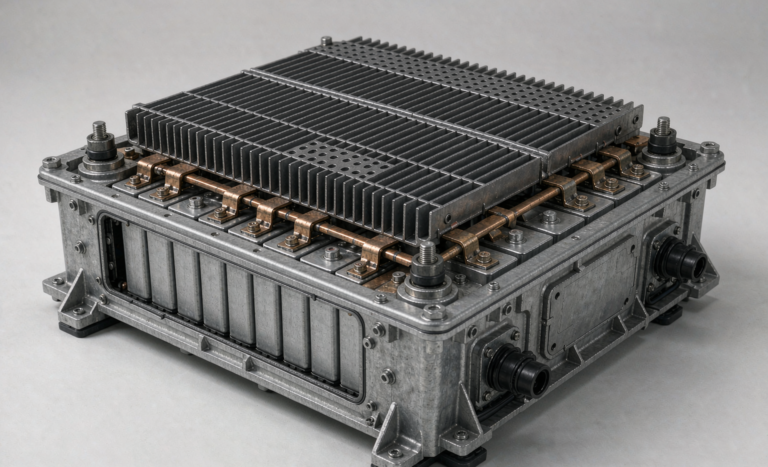
In most cases yes, with a pack redesign rather than a bike redesign. Sodium cells are larger and heavier per watt-hour, so we usually increase pack volume slightly or accept a small range adjustment. The 48V nominal architecture, BMS communication, and connector standards carry over directly, which keeps integration cost low.
What is the typical payback period for a sodium-ion e-bike fleet?
Because the saving is mostly upfront in the bill of materials, payback is immediate on capital — you spend less to deploy. The cumulative TCO advantage versus LFP usually becomes unambiguous within the first 18–24 months of operation once maintenance and winter-uptime savings accrue.