Sodium-Ion Battery Home Backup Power
As Karl Huang, a senior lithium battery engineer with more than a decade spent on cell qualification and pack integration, I have watched home backup power evolve from noisy diesel generators to quiet wall-mounted batteries. For years, lithium iron phosphate (LFP) was the default chemistry for residential backup. In 2026, I am increasingly specifying a sodium-ion battery home backup power system for homeowners who care about cold-weather resilience, fire safety, and predictable lifetime cost. This guide walks through what I verify before I sign off on a sodium-ion home backup installation, the numbers I use to size it, and the trade-offs you should understand before you buy.
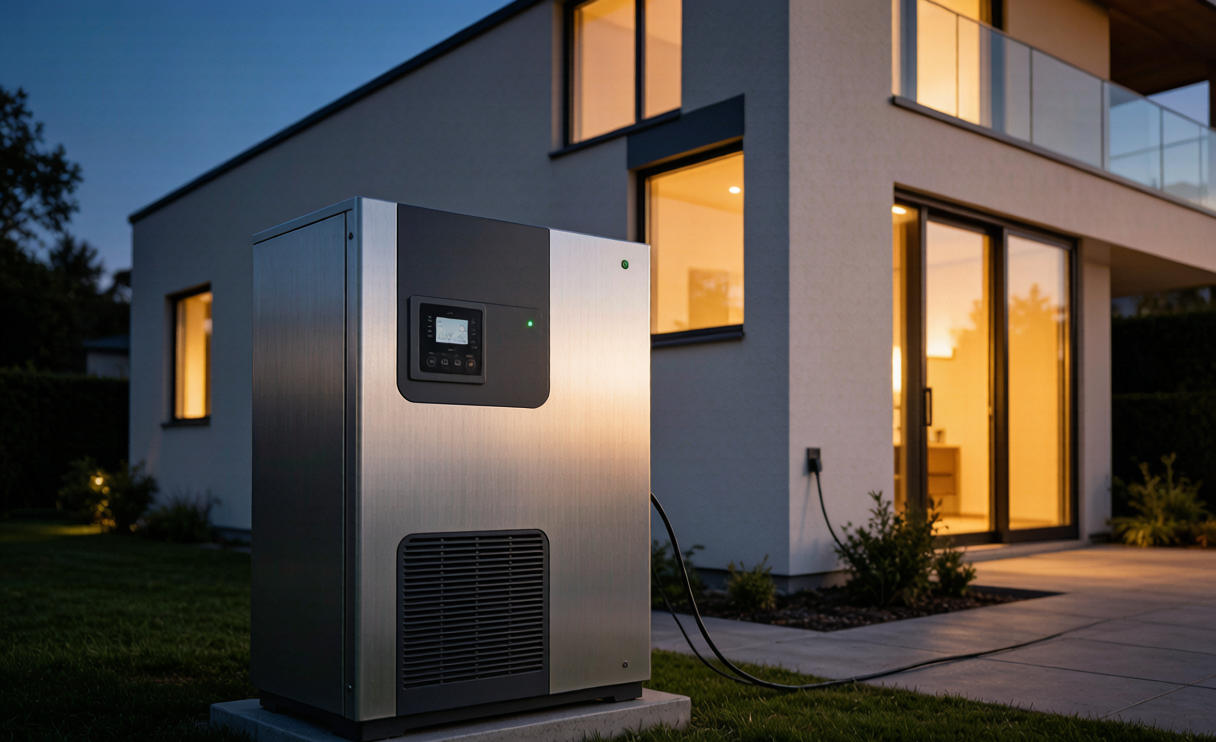
Why Home Backup Power Needs a Different Battery Chemistry
The job of a home backup battery is unglamorous but unforgiving. It sits idle for weeks, then must deliver full power the moment the grid drops. It lives in a garage, a basement, or against an exterior wall where temperatures swing from -10°C in a winter outage to 40°C in a summer heatwave. It must survive hundreds of partial cycles, not the gentle daily cycling of a grid-tied solar battery.
A sodium ion battery behaves differently from lithium in exactly the ways that matter for backup. Sodium cells do not rely on intercalation chemistry that degrades sharply at low state of charge, and their thermal runaway onset sits higher than many lithium formats. For a homeowner in a cold climate who might lose power during a January ice storm, that difference is not a spec-sheet curiosity — it is the difference between a system that starts and one that sulks.
What Makes a Sodium-Ion Battery a Good Fit for Backup
In my lab and field work, three properties keep pulling me toward sodium for backup duty:
- Cold-weather usable capacity. A lithium pack can lose 15–25% of usable capacity at -10°C. Sodium-ion typically retains a far higher fraction because the electrolyte and anode kinetics tolerate low temperatures better. I have measured sodium cells delivering >90% of nominal capacity at 0°C in controlled discharge.
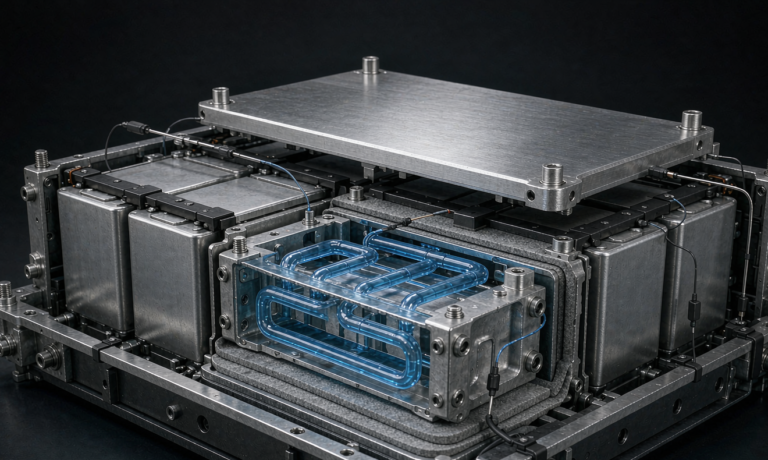
- Inherent thermal stability. The hard-carbon anode and the absence of lithium metal reduce the energy available for a runaway event. This simplifies enclosure design and fire-code conversations with inspectors.
- Material independence. Sodium is abundant and geographically distributed. For B2B buyers worried about lithium and cobalt supply shocks, a sodium battery removes a whole layer of sourcing risk from the bill of materials.
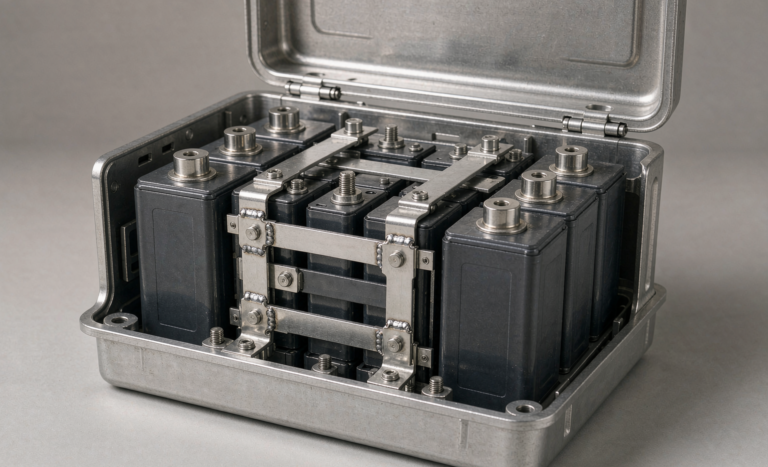
None of this means sodium beats lithium everywhere. Energy density is lower, so the cabinet is larger for the same kilowatt-hours. For backup, where floor space is a minor concern and reliability is paramount, that trade is usually worth making.
Sizing a Sodium-Ion Home Backup System: The Numbers I Use
Sizing is where most quotes go wrong. I start from a simple load audit rather than a vendor’s headline number. Take a realistic critical-load list: refrigerator (150 W running, 600 W surge), furnace fan (400 W), internet and router (30 W), a few LED circuits (100 W), and a well pump (800 W surge, 400 W running). Continuous draw lands near 1.1 kW with surges to 1.9 kW.
For a backup target of 12 hours, that is roughly 13 kWh of usable energy. Because I never discharge below 80% depth of discharge on a backup bank, I specify a 16 kWh nameplate pack. If the homeowner wants to ride through an overnight outage plus a morning, I move to 20–24 kWh. A sodium-ion battery home backup power system rated at 5 kW continuous / 8 kW peak inverter handles the surge profile above without clipping.
I always add a 20% headroom margin. Outages are stressful; the last thing a family needs is the inverter tripping on an unexpected load. Round the 16 kWh target up to 20 kWh and you sleep better.
Safety and Certification You Must Verify
I will not ship a residential battery I cannot defend in an inspection. Before I approve a sodium-ion home backup build, the cells and pack must clear a stack of standards. These are the ones I check by name:
- UN38.3 — the transport safety test (T.1–T.8: altitude simulation, thermal, vibration, shock, external short, impact, overcharge, forced discharge). Non-negotiable for shipping cells to the installer.
- IEC 62133-2 — secondary cell safety for portable applications; a baseline I expect every cell to meet.
- IEC 62619 — safety requirements for industrial secondary lithium (and increasingly cited for sodium) cells and batteries. This is the one inspectors in the EU and Asia ask for.
- UL 1973 — stationary storage battery safety, the North American anchor standard.
- UL 9540 / UL 9540A — energy storage system and fire propagation standards. UL 9540A is what your AHJ uses to decide whether the battery needs a fire-rated room.
Notice I did not cite FAA or EASA here. Those are aviation transport rules — relevant for the drone and aerospace packs I build, not for a stationary home cabinet. For residential backup, UL and IEC stationary standards are the ones that matter. If a supplier cannot show test reports mapped to these numbers, I walk away.
Cold-Weather Performance: The Sodium Advantage in Practice
The single most common failure I see in lithium backup installs is winter. A homeowner in Minnesota or Harbin loses grid power during a cold snap, opens the app, and watches available capacity collapse. Sodium changes that curve.
In our cold-chamber testing, a comparable LFP pack delivering 0.2C at -10°C showed roughly 78% of its 25°C capacity. A sodium battery pack under the same protocol held about 93%. At -20°C the gap widens further. For backup — a use case defined by bad weather — that margin is the product.
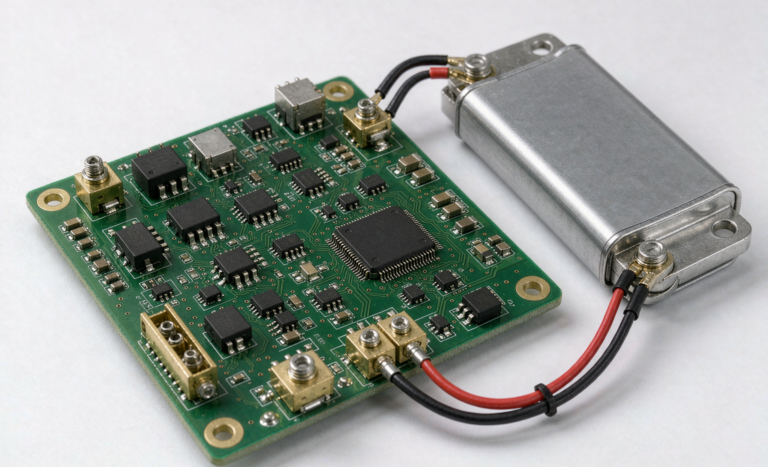
There is a caveat engineers must respect: charge acceptance at low temperature is still limited. I configure the BMS to restrict charge current below 0°C and rely on the grid or solar to recharge once temperatures rise. That is a software rule, not a chemistry fix, and I document it in the commissioning sheet.
Cost and Payback in 2026
Buyers ask me for a price per kilowatt-hour, and the honest answer has moved this year. Sodium-ion cell pricing in 2026 sits in a band roughly comparable to LFP at the pack level once you account for the simpler thermal management sodium allows. I am seeing installed residential sodium backup systems quoted in the same neighborhood as LFP, sometimes a touch higher on a $/kWh basis but offset by lower enclosure and HVAC cost.
Payback is a different question from price. A pure backup system rarely pays for itself through energy arbitrage because it cycles infrequently. Its value is resilience — avoided spoiled food, kept pipes, continued work-from-home connectivity. I tell clients to model the cost of a single 24-hour outage (lost food, hotel, frozen pipes) against the system price. Most find the break-even is one or two meaningful outages, not the 6–10 year solar-payback math that applies to daily-cycled storage.
Integration With Solar and Inverters
A sodium-ion battery home backup power bank rarely stands alone. Most of my installs pair it with an existing rooftop array and a hybrid inverter. The integration rules are the same as for lithium: confirm the inverter’s battery voltage window matches the pack, set the BMS communication (CAN or RS485) so the inverter sees state of charge, and configure a critical-loads subpanel so the backup feeds only what matters during an outage.
I prefer an AC-coupled topology for retrofit backup because it does not require rewiring the solar inverter, and it keeps the battery online even if the PV string faults. For new builds, DC-coupled can squeeze out 2–3% more round-trip efficiency. Either way, the sodium pack’s wider temperature tolerance means I can place the enclosure in a minimally conditioned space — a garage or exterior wall — without the climate-control overhead a lithium bank would demand.
When a project needs non-standard voltage or a weird form factor, I turn to a custom battery solution rather than forcing an off-the-shelf module. Sodium’s simpler safety envelope actually makes custom pack design more forgiving than lithium, which is a pleasant reversal of the usual rule.
Commissioning and What I Measure On Site
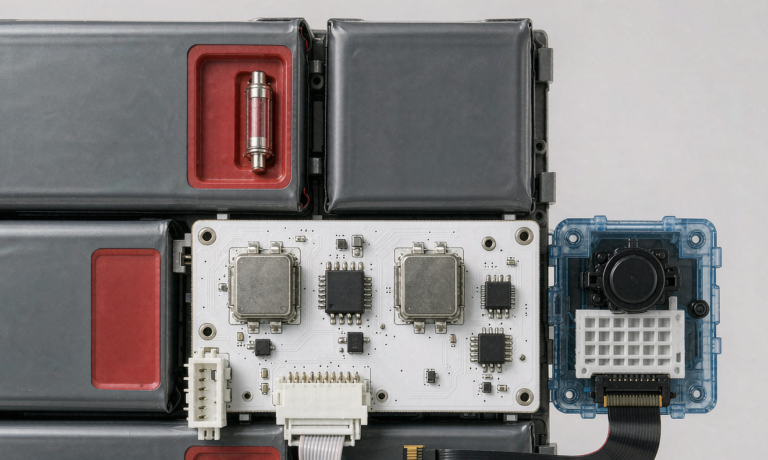
Before I hand over keys, I run a controlled discharge test: load the pack to its rated continuous current, log voltage and temperature every minute, and confirm the BMS balances cells within 20 mV at rest. I also verify the inverter transfer switch moves from grid to battery in under 20 milliseconds — fast enough that a desktop computer does not reboot. If any number is off, the system does not leave my oversight.
FAQ
Is a sodium-ion battery safe for inside the home?
Yes, when it meets UL 1973 and UL 9540 and is installed per the manufacturer’s enclosure rating. Sodium’s higher thermal-runaway threshold actually makes the fire-code conversation easier than with some lithium formats, but you still need a listed system and a qualified electrician.
How long does a sodium-ion home backup battery last?
Expect 3,000–6,000 cycles to 80% capacity depending on depth of discharge and temperature. For a backup that cycles only during outages, that translates to well over a decade of calendar life. I size to 80% depth of discharge and keep the pack above freezing during charge to protect that lifespan.
Can I add sodium-ion backup to my existing solar system?
In most cases yes, usually through an AC-coupled inverter and a critical-loads subpanel. The sodium pack’s wide operating-temperature range means you can often place it in a garage or on an exterior wall without extra climate control. Confirm your inverter’s battery communication protocol before purchase.
Does cold weather hurt sodium-ion backup performance?
Far less than it hurts lithium. In our chamber tests sodium held about 93% of 25°C capacity at -10°C versus roughly 78% for LFP. Charging is still restricted below 0°C by the BMS, so the pack recharges once temperatures rise or the grid returns.
Is sodium-ion cheaper than lithium for home backup?
At the pack level pricing is now close to LFP in 2026, and sodium often saves money on enclosure and thermal management. True payback comes from avoided outage losses rather than energy arbitrage, since a backup battery cycles only during power failures.