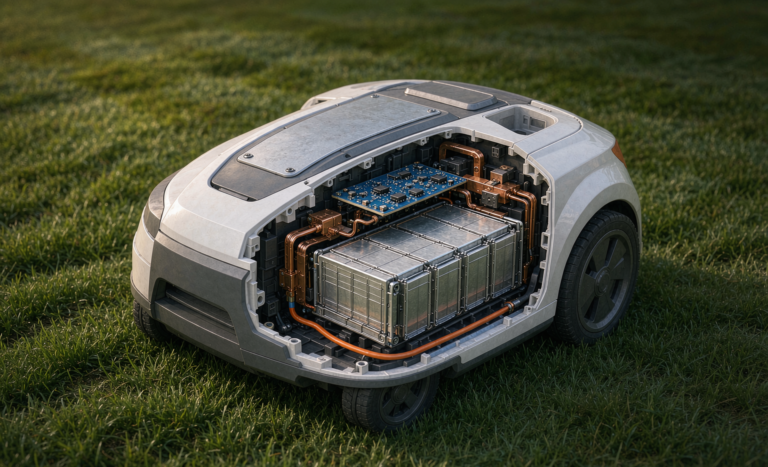
Sodium-Ion Battery Teardown and Field Service Repair
When a sodium-ion battery pack comes back from a duty cycle that did not go as planned, the fastest path to a root cause is not a datasheet. It is a teardown. I have spent the better part of a decade on pack lines and in field trucks, and the single habit that separates a quick fix from a repeat failure is opening the module the right way. Sodium-ion chemistry behaves differently from lithium-ion under abuse, and those differences change how we disassemble, what we photograph, and when we decide a cell is worth keeping. This guide walks through the teardown and field service repair workflow my team uses, the safety steps we never skip, and the failure signatures that tell you whether to repair or replace.
Why a Sodium-Ion Teardown Belongs in Every Field Service Kit
A teardown is not a last resort. It is the first diagnostic step once a pack leaves its normal voltage window or trips a protection event in the field. On a lithium battery program we often leaned on telemetry and called it done, but a sodium-ion battery gives you clearer physical evidence at the cell level, and reading that evidence early saves a whole fleet from a shared defect. The goal is simple: find the one cell or busbar that started the cascade, record it, and feed the pattern back into design. At Horizon Power we treat every returned module as a free engineering sample, because the cost of a teardown is a fraction of the cost of a recall. A disciplined teardown also protects your warranty position, since a documented root cause beats a guess when a customer asks why a pack aged early.
What You See When the Module Comes Apart
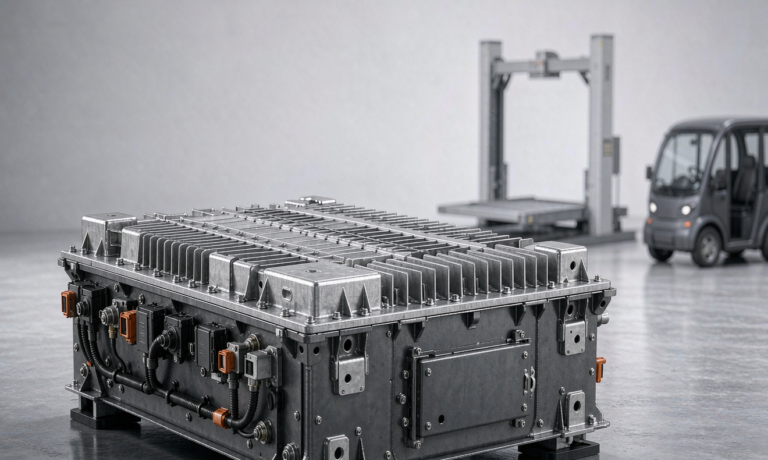
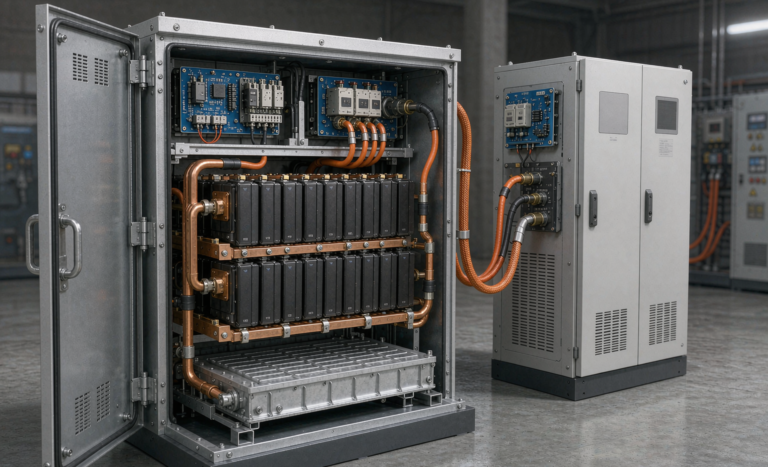
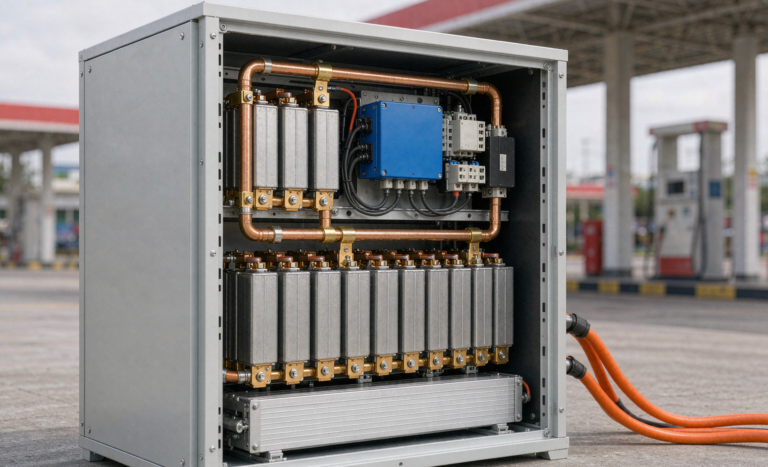
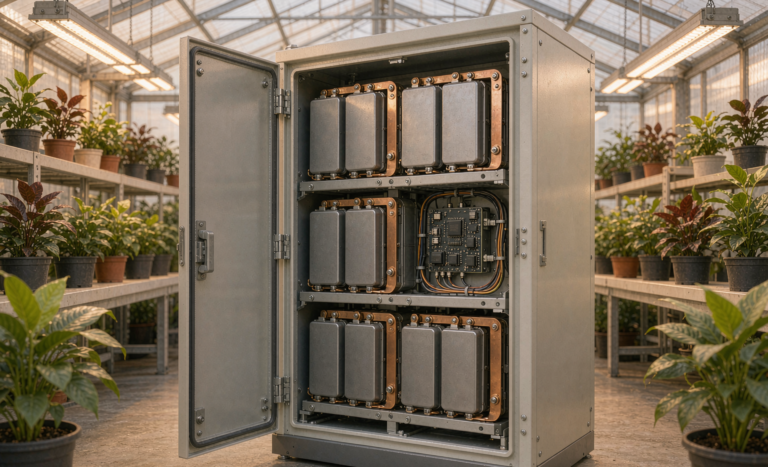
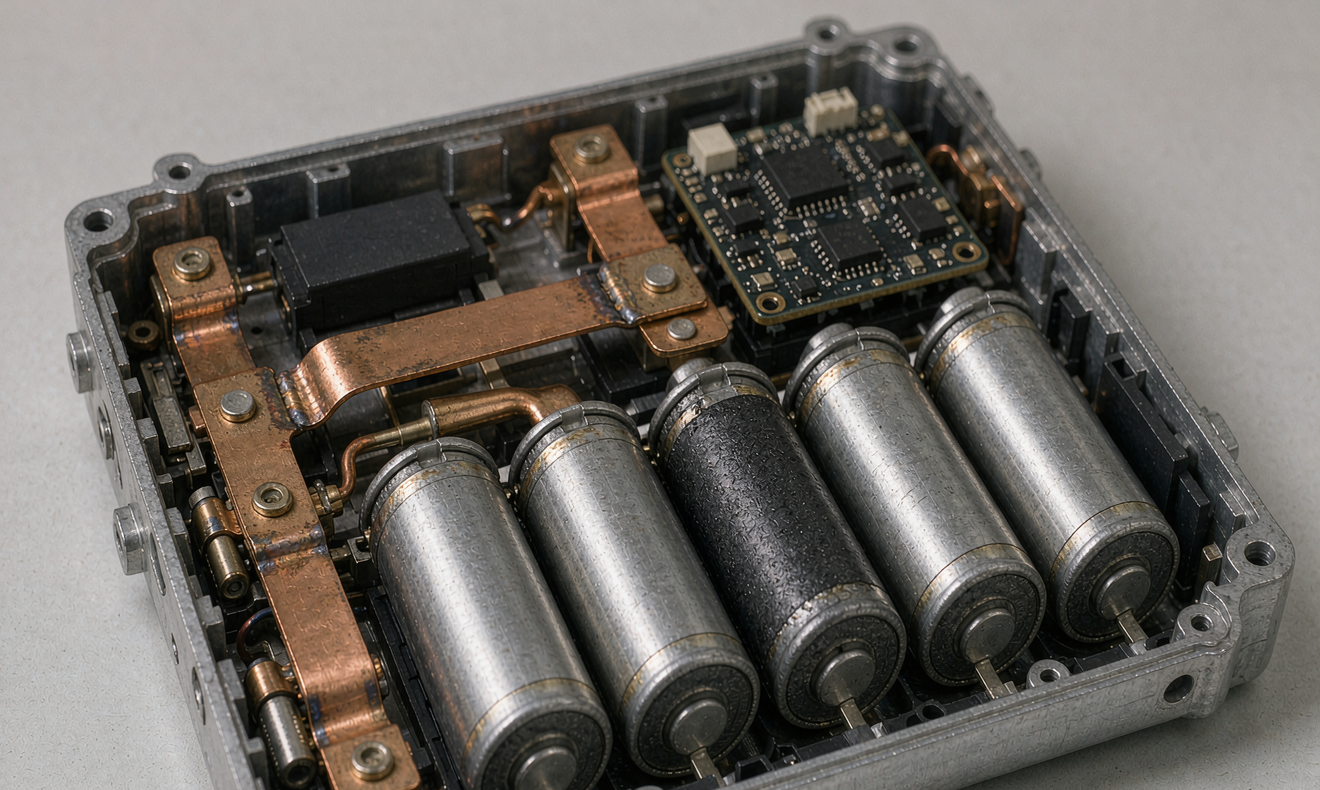
The first thing I photograph is the top busbar layout before any cut. Busbars on a sodium-ion battery are usually aluminum or nickel-plated steel, and the weld quality at each cell cap tells you more than a multimeter. Look for cold-weld rings, micro-cracks, or discoloration that signals localized heating above 80 degrees Celsius during a fault. Under the busbars you will find the cylindrical or prismatic cells, the sense wires, and the balancing resistors on the management board. I log the cell part number, the module serial, and the fuse rating, then measure each cell’s open-circuit voltage with a four-wire meter. A healthy sodium-ion cell sits near 3.0 volts at rest and about 1.5 volts at the knee, so any cell reading far below its neighbors is your prime suspect. The management board itself rarely fails, but corroded sense connectors do, and they mimic a dead cell if you skip the visual. A modern sodium battery cell also carries a laser-etched lot code on the can, and I always note it, because a bad lot shows up as a cluster of weak cells rather than one random failure. Clustering is the clue that points upstream to manufacturing, not to field abuse, and it changes the entire repair decision.
Safety Steps Before You Touch a Cell
Never open a sodium-ion battery that still holds energy. We discharge every module to under 0.5 volts per cell through a calibrated load bank and verify with two independent meters before the first fastener moves. Sodium-ion is more tolerant of over-discharge than lithium-ion, but it is not safe to short, and a trapped charge in a balancing capacitor can still bite. I keep the pack inside a non-combustible tray, wear rated gloves and eye protection, and keep a Class D extinguisher within reach even though the thermal runaway energy is lower than lithium chemistry. Every step we follow maps to UN38.3 transit and abuse testing and to IEC 62619 for industrial cells, because the same hazards that trigger those standards in the lab show up in a garage if you rush. Document the discharge curve; a cell that will not bleed down is a shorted cell, and it stays in the quarantine bin.
Common Failure Modes We Find in the Field
Across a few hundred returned modules, the patterns repeat. The most common is busbar weld fatigue from vibration, which raises interconnect resistance until the pack drops capacity under load. The second is moisture ingress through a compromised seal, visible as white sulfate staining near the terminal and a steady self-discharge you can measure over 24 hours. The third is a single weak cell that drifts low during winter duty below minus 10 degrees Celsius, dragging the whole string into protection. Sodium-ion handles cold better than many lithium formats, but a mismatched cell still becomes the weak link. We also see sense-wire breaks that report a false cell fault, which a teardown clears in minutes once you spot the lifted pad. Knowing these signatures lets a technician decide fast and stops the classic mistake of scrapping a pack that only needed one weld. A sodium battery that fails from a single lifted pad is a cheap save; one that fails from a lot-wide defect is a fleet-wide alert, and the teardown is what tells you which story you are living.
Repair Versus Replace: The Call I Teach New Technicians
The rule is plain: repair when the fault is mechanical or single-cell, replace when the fault is systemic. A cold busbar weld, a lifted sense wire, or one out-of-bounds cell are all repairable in the field with a spot welder, fresh nickel strip, and a matched replacement cell from the same lot. We re-balance the string, re-weld to spec, and re-run a formation cycle before the module goes back to service. Replace the entire module when you find electrolyte leakage, a swollen case, or more than two adjacent weak cells, because those point to a chemistry or thermal event that no weld can fix. I remind the team that a repair is only as good as its record, so every fixed pack gets a new service tag and a before-and-after resistance log. A good custom battery solution is built on that feedback loop, where field repairs teach the next design iteration what to reinforce.
Documenting the Teardown for a Custom Battery Solution
A teardown that nobody reads is wasted effort. I photograph six views, log every voltage and resistance number in a shared sheet, and tag the failure mode with a short code our engineering team filters weekly. Over time those codes become the strongest input to a custom battery solution, because they show the exact duty cycle a customer actually runs, not the one on the spec sheet. We feed thermal spots back into the enclosure design, vibration faults back into the busbar geometry, and cold-weather weak cells back into the cell-selection matrix. TheThe feedback loop only works if field service speaks the same language as design, and a disciplined sodium-ion battery teardown is where that conversation starts. A sodium battery program that closes this loop typically cuts repeat failures by a wide margin within two service cycles, because the same defect stops appearing in new builds. If you run a fleet and want this level of root-cause visibility, build the teardown into your maintenance plan from day one rather than after the first unexplained failure.
How do I discharge a sodium-ion battery safely before teardown?
Use a calibrated load bank set to a low current and monitor each cell with two independent meters until every cell reads under 0.5 volts. Never short the terminals or pierce a cell to drain it. Log the discharge curve, because a cell that refuses to fall in voltage is internally shorted and must stay in a quarantine bin until properly handled.
Can a swollen sodium-ion cell be opened for inspection?
No. A swollen or leaked case is a sign of an internal event, and the module should be replaced as a whole, not opened. The lower thermal energy of sodium-ion does not make a compromised cell safe to cut. Keep it sealed, tag it as a chemistry fault, and return it through the normal disposal channel.
What tools does a field service teardown actually require?
A four-wire voltage meter, a milliohm tester for interconnect resistance, a spot welder with fresh nickel strip, insulated hand tools, rated gloves and eye protection, a non-combustible tray, and a Class D extinguisher. A camera for the six standard views matters as much as the meter, since the record is the deliverable.
Is sodium-ion easier to repair than lithium-ion in the field?
In several ways yes. Sodium-ion tolerates over-discharge and has lower thermal runaway energy, so the safety margin during a teardown is wider. The failure signatures are also more visible at the cell level. The repair decisions are the same, though: fix mechanical and single-cell faults, replace systemic or chemistry faults.
How often should a fleet module be torn down for inspection?
Base it on duty cycle, not the calendar. High-vibration or cold-climate fleets benefit from a scheduled teardown at roughly half the warranted life, while steady indoor duty can wait for a telemetry flag. The cheapest teardown is the one triggered by a trend you already watch, not a sudden pack death.
Does Horizon Power provide teardown guides for its modules?
Yes. Every Horizon Power module ships with a service document that lists the busbar torque, weld spec, and the discharge procedure our field teams use. We also share the failure-mode code sheet so your technicians log results in the same format our engineers review, which keeps the repair-to-design loop tight.
Further Reading
References