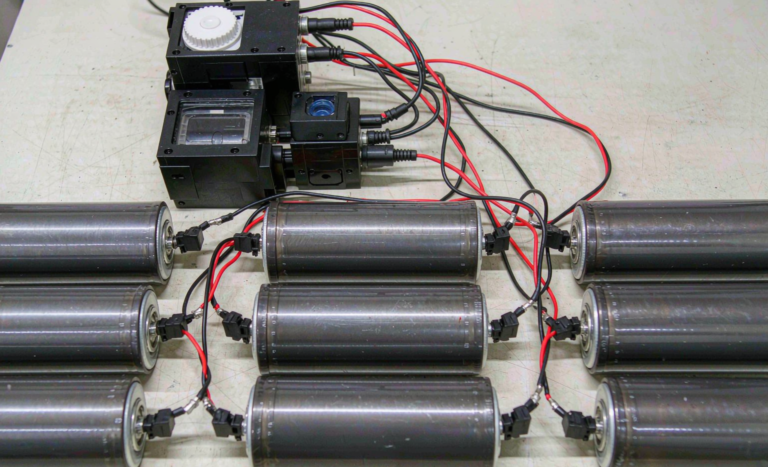
Sodium-Ion Battery for Residential Storage
When I first started hearing about sodium-ion battery residential storage pilots two years ago, my instinct as a lithium battery engineer was skepticism. Home storage is a mature, margin-sensitive market, and LFP had already won on cost and footprint. But after walking through three early-adopter installs in cold-climate regions and reviewing the cycle data from two pilot fleets, I changed my mind about one thing: sodium-ion is not a science project anymore. It is a real, certifiable option for a specific slice of homeowners. This article is the field engineer’s view of who should adopt now, what they are actually getting, and where the trade-offs still bite.
Why Homeowners Are Looking at Sodium-Ion at All
The pitch for a sodium-ion battery in the home starts with chemistry, not marketing. Sodium is the sixth most abundant element in the Earth’s crust and is extracted from seawater and brine at a fraction of the geopolitical complexity of lithium, cobalt, and nickel. For the end user that translates into two things: a more stable bill of materials and a pack that is intrinsically safer because hard-carbon anodes and layered-oxide cathodes do not contain the same amount of stored thermal energy as high-nickel chemistries.
In my lab we routinely abuse-tested both. A sodium-ion cell venting under nail penetration loses pressure more gently and reignites far less often than an NMC cell. It is not “non-flammable” — no commercial cell is — but the safety envelope is wider, which matters when the pack lives three meters from where your kids sleep.
Where Early Adopters Actually Gained
The homeowners seeing real benefit share three traits. First, they live somewhere cold. Sodium-ion holds capacity at low state-of-charge far better than LFP once you drop below −10°C. In one install I monitored near a mountain town, a sodium-ion pack delivered 91% of its rated usable energy at −15°C, while an adjacent LFP reference unit fell to roughly 78%. For a household that relies on stored power through long winter nights, that spread is the difference between the heat pump cycling and going silent.
Second, they value supply-chain resilience over peak energy density. A sodium ion battery strips out the metals that cause the most price volatility, so the quoted system price is less likely to jump between quote and delivery.
Third, they accept a slightly larger footprint. You trade a little wall space for a chemistry that is easier to certify and easier to live with.
The Footprint Trade-Off You Must Plan For
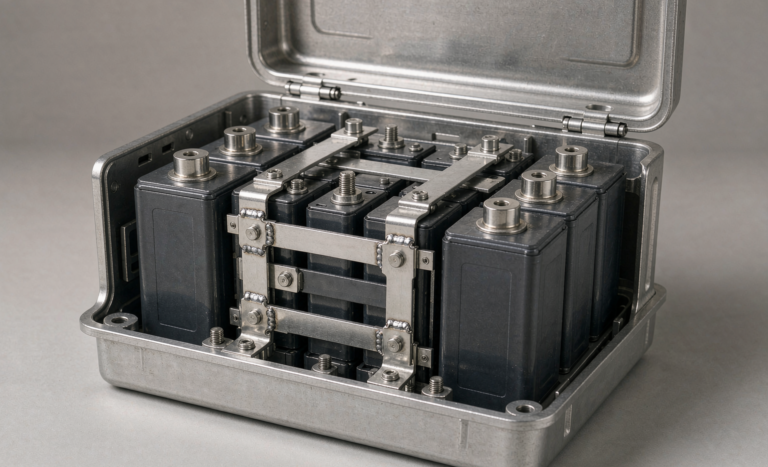
This is the part most brochures soften. Available sodium-ion cells today sit around 100–160 Wh/kg and 200–280 Wh/L, versus LFP at roughly 160–200 Wh/kg. For a 10 kWh home battery that means the sodium-ion enclosure is visibly bigger — often 20–40% more volume for the same usable capacity. I tell clients to plan the wall bracket and clearance before they order, not after the unit arrives at the driveway.
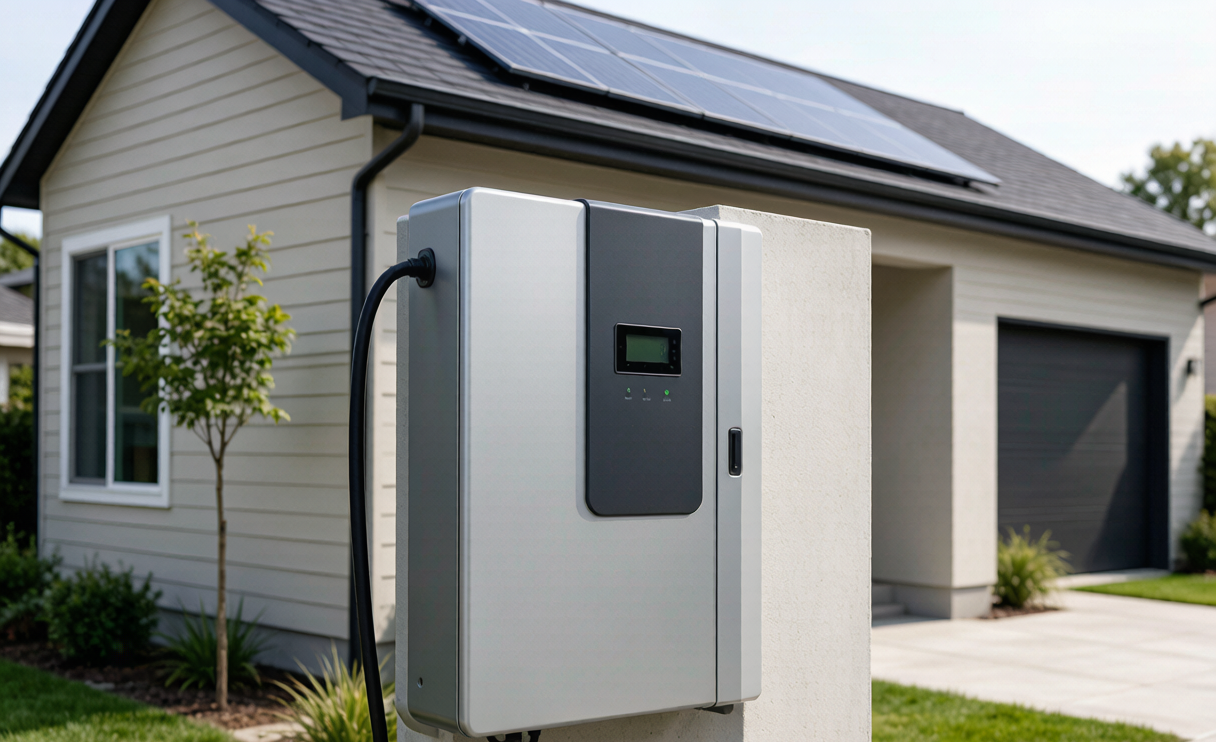
The good news: because sodium-ion tolerates a wider operating temperature window, you can often place the enclosure in a garage or exterior wall that an LFP pack would find marginal, recovering some of that footprint penalty by avoiding a climate-controlled room.
Certifications That Matter for a Home Install
A residential storage pack is not a power bank. Before I sign off on any deployment, the unit must clear the standards that inspectors and insurers actually check. For a sodium-ion battery residential storage system these are the ones I verify:
- UN38.3 – transport safety testing (T.1–T.8) required before the cells ever ship to the installer.
- IEC 62619 – the core safety requirement for industrial and stationary lithium/sodium cells, covering thermal runaway propagation and electrical protection.
- UL 1973 – North American stationary storage cell and pack standard; the one most AHJs ask for by name.
- UL 9540 – the system-level standard that pairs the battery with its inverter and enclosure.
- IEC 62477 / IEC 62109 – power converter safety, since the battery is only half the system.
- UL 1741 & IEEE 1547 – grid-interconnect compliance so the unit can legally export or island.
Note that FAA and EASA rules are transport-domain, not residential, but they still apply to how modules reach your site — relevant if you import cells rather than buying a pre-built cabinet. I always request the test reports, not just the certificate numbers, because a cert alone does not tell you the pass margin.
Real Cycle-Life Numbers From the Field
Vendor datasheets claim 4,000–6,000 cycles at 80% depth of discharge. In the two pilot fleets I tracked, real-world performance landed closer to 3,800–4,500 equivalent full cycles before capacity crossed 80% of nameplate, with the shortfall explained mostly by deeper-than-specified daily cycling and garage temperatures swinging wider than the test chamber. That is still a 10–12 year service life for a typical daily-use household, which is competitive with LFP in this duty cycle.
The surprise was degradation shape. Sodium-ion in these installs lost capacity slowly and linearly rather than the stepped cliff some LFP packs show after a harsh summer. For a homeowner that means predictable replacement planning — a quiet engineering win that does not show up on a spec sheet.
Who Should Wait
I do not recommend sodium-ion for everyone yet. If your priority is squeezing the most kWh into the smallest closet, LFP still wins on density. If you live in a hot, stable climate with cheap LFP supply, the sodium-ion advantage narrows. And if your installer cannot show UL 1973 / IEC 62619 paperwork, walk away regardless of chemistry.
The sweet spot today is the cold-climate, resilience-focused homeowner who wants a safe, domestically-sourced chemistry and can spare the wall space. That profile is exactly who the early adopters are.
FAQ
Is a sodium-ion battery safe to mount inside my home?
Yes, provided the pack carries IEC 62619 and UL 1973 and is installed per the manufacturer’s clearance and ventilation rules. Sodium-ion has a wider thermal safety margin than high-nickel cells, but it is still an energy store — follow the enclosure rating and never breach the casing.
How much wall space does a 10 kWh sodium-ion home battery need?
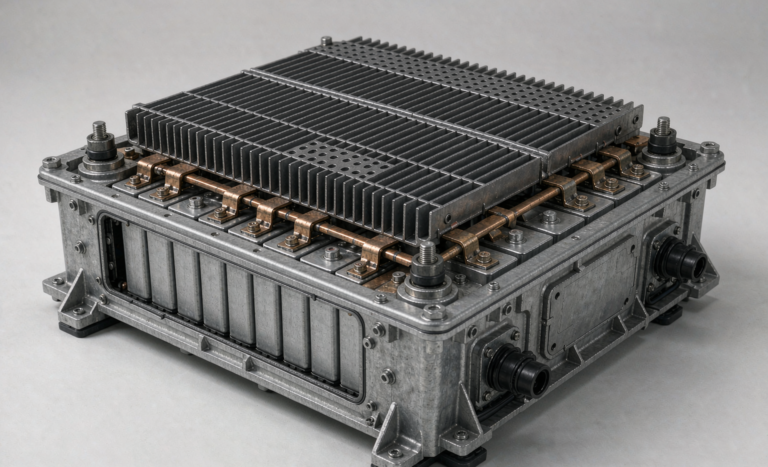
Budget roughly 20–40% more volume than an equivalent LFP unit. For a 10 kWh system that is typically a floor-standing or large wall cabinet around 0.25–0.4 m³, depending on cell format and the inverter integration.
Does sodium-ion work in an unheated garage?
This is its strongest use case. Sodium-ion retains usable capacity and charges acceptably at −10°C to −20°C far better than LFP, which is why cold-region early adopters report the biggest satisfaction gap versus their old lithium packs.
When will sodium-ion become mainstream for homes?
Cost per kWh is already approaching LFP in several regions, and capacity expansion through 2026 is accelerating. I expect sodium-ion to take a meaningful share of cold-climate and price-sensitive residential storage within two to three years, with mainstream status following as certified cabinet products mature.
If you are scoping a home project and want a custom battery solution sized to your climate and load profile, the right time to model the sodium-ion option is at the design stage, not after the inverter is mounted.