Lithium Battery Second Life and Repurposing: An Engineer’s Guide to Giving Cells a Second Career
Most lithium cells are retired long before they are actually tired. After a decade of building and grading packs, I have learned that a lithium battery second life repurposing program is less about salvaging scrap and more about honest measurement — figuring out what a cell can still safely do, then putting it to work where the demands are gentler. In this guide I will walk through how we at Horizon Power grade, rebuild, and redeploy retired cells into stationary storage, backup banks, and even training drone battery packs.
What “Second Life” Actually Means for a Lithium Battery
When I first started grading retired electric-vehicle (EV) modules back in 2018, most people assumed a lithium battery was “dead” the moment its capacity dropped below 80% of its original nameplate. That is a misunderstanding born from passenger-car warranty math, not cell physics. In my work as a senior lithium battery engineer at Horizon Power, I have torn down hundreds of NMC and LFP packs that were pulled from service at 78–82% state-of-health (SoH) — and many of them still had 1,500 to 2,500 equivalent full cycles left for gentler duty. Second-life lithium battery second life repurposing is simply the engineering practice of redirecting those cells from a high-stress, safety-critical application (a moving vehicle) to a lower-stress, stationary or semi-stationary one (a cabinet BESS, a telecom backup bank, or even a rebuilt drone battery for training fleets).
The core idea is capacity-retention economics. A cell that can no longer deliver the peak C-rate and tight voltage window a car demands can still run a 0.2C solar buffer for a decade. The job of repurposing is to measure honestly, sort honestly, and rebuild safely. Done right, a repurposed lithium battery costs 30–60% less than a fresh one per stored kilowatt-hour, while keeping useful material out of the shredder.
Where Retired Lithium Cells Come From — and How We Grade Them
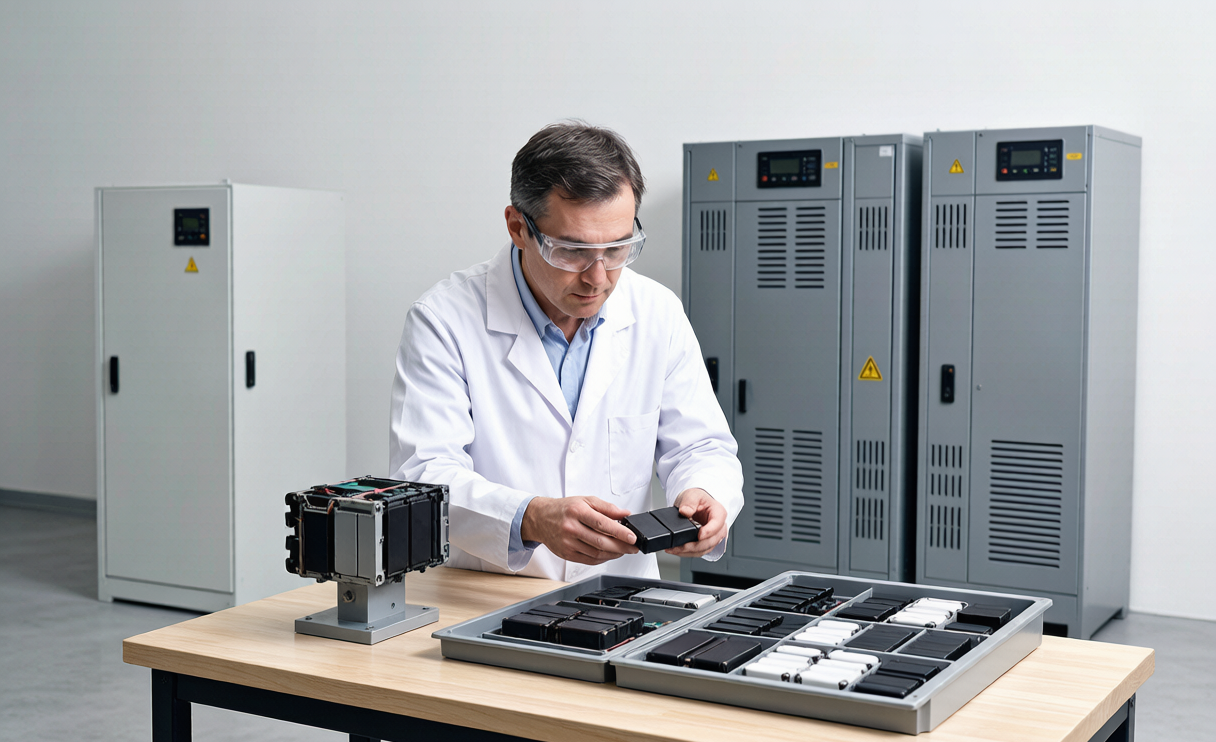
The feedstock for second-life work is almost always one of three sources: EV traction packs (NMC811, NMC622, or LFP), e-bike and drone lithium battery packs that failed a fleet audit, and industrial storage cabinets upgraded for higher density. At the bench, grading follows a fixed routine I have standardized across our line:
- Visual and mechanical inspection — case swelling, terminal corrosion, and weld integrity. Any puffed pouch or cracked prismatic case is recycled, never repurposed.
- Open-circuit voltage and internal resistance (DCIR) — we bin cells within ±5% of each other on both metrics. A 18650 that reads 4.12 V but has 90 mΩ DCIR next to a 45 mΩ sibling will unbalance the pack and cook itself under load.
- Capacity verification — a 0.5C full charge/discharge against a reference load. We record actual Ah, not nameplate Ah.
- SoH classification — anything 70–100% SoH is a second-life candidate; 50–70% goes to low-rate backup only; below 50% is material recovery.
Grading is not only about a single snapshot. We also run a short accelerated cycle on a 5% sample drawn from each batch to confirm the cells have not developed hidden lithium plating or a sudden capacity cliff. A cell that shows a smooth, predictable fade curve is far safer to repurpose than one that drops 5% in a single cycle. This extra step is what separates a graded lithium battery we will stake our name on from anonymous used cells sold by the kilogram.
For aviation-adjacent reuse, remember that a repurposed drone battery still falls under the same transport and handling rules as a new one — more on that in the compliance section.
Repurposing Workflow — From Teardown to New Pack
A clean lithium battery second life repurposing line is boring on purpose. Here is the sequence we run for a 10 kWh stationary cabinet built from LFP EV modules:
- Discharge to safe transport voltage (typically 30% SoC) before any cutting or welding.
- Module teardown — remove busbars, spot-weld, and separate into matched cell groups using the grading data above.
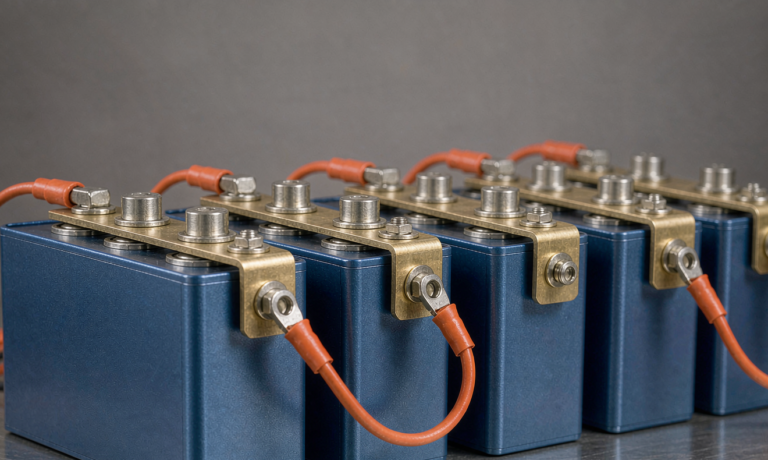
- Re-weld into new topology — for a 48 V stationary bank we parallel three matched 16-cell series strings. Every weld is pull-tested to >50 N.
- BMS selection — a second-life pack needs a smarter BMS than a fresh pack because cell variance is higher. We spec a 16S BMS with per-cell balancing >80 mA and a 200 A contactor.
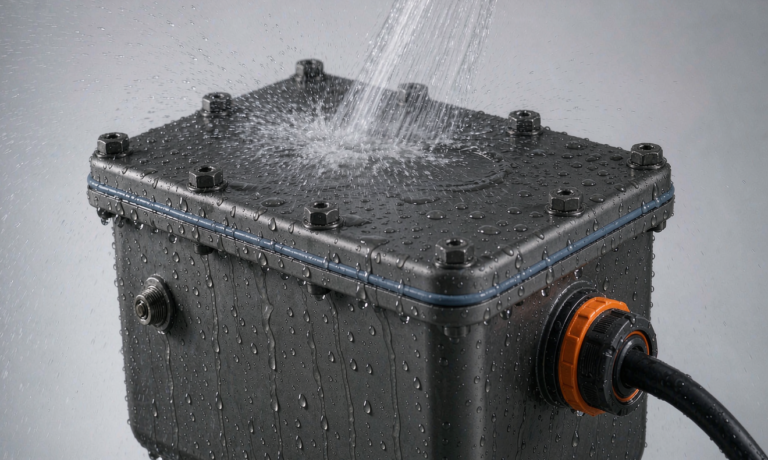
- Enclosure and thermal — passive convection for stationary, IP54 steel for outdoor. No active cooling needed below 0.5C.
- Formation cycle — two slow charge/discharge cycles to seat the new topology and log baseline capacity.
This is also where a custom battery solution earns its keep: matching the rebuilt pack to the exact inverter, voltage window, and duty cycle of the end customer instead of forcing them into a one-size box.
Safety and Compliance: UN38.3, IEC 62133, and Beyond
Repurposed does not mean exempt. Any lithium battery that crosses a border or ships by air must still clear UN38.3 — the eight-test regime (T.1 altitude, T.2 thermal, T.3 vibration, T.4 shock, T.5 external short, T.6 impact, T.7 overcharge, T.8 forced discharge). A second-life cell that passes a fresh-cell UN38.3 protocol is genuinely safe to ship; one that has not been re-validated is a liability. On the cell and pack safety side we apply IEC 62133-2 for the secondary lithium systems, and for stationary repurpose we lean on IEC 62619 (industrial) and IEC 63056 for higher-voltage BESS.
For drone battery reuse in particular, the operational envelope matters: we keep repurposed cells out of certified commercial flight where possible and reserve them for ground training, R&D, and non-critical inspection loops. Even then, the pack must satisfy the same handling discipline as a new drone lithium battery, and any air transport follows IATA/ICAO PI 965–966 and the FAA and EASA expectations for lithium shipments.
Real Applications: Stationary Storage, Backup, and Drone Battery Packs
The most bankable second-life deployments share one trait: low C-rate, climate-stable, and easy to monitor. My top three:
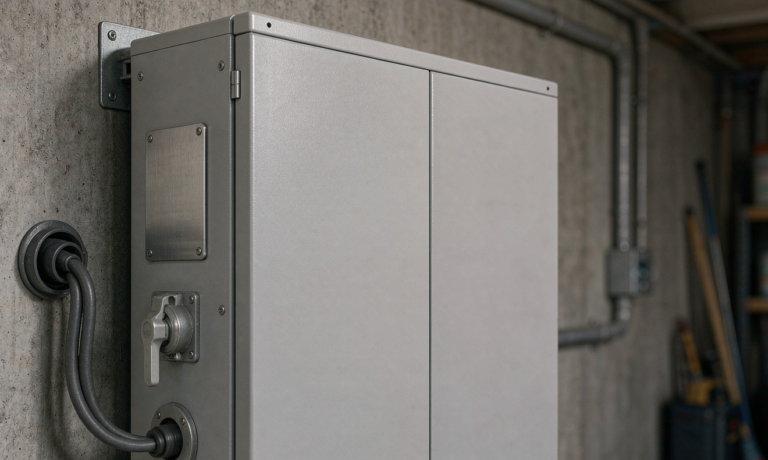
- Home and small commercial energy storage — a 5–15 kWh wall cabinet from LFP EV modules pays back in 3–5 years behind a time-of-use tariff.
- Telecom and grid backup — 0.1–0.2C float duty is perfect for 70–85% SoH cells that would fail a car.
- Training and R&D drone battery packs — a rebuilt drone lithium battery at 75% SoH still flies a light quadcopter for 12–15 minutes, which is plenty for pilot training and payload trials.
We have also shipped a custom battery solution where a customer’s retired forklift LFP pack became the buffer for their rooftop solar — zero new mining, same chemistry, 70% of the cost.
We are also piloting portable second-life units for field crews: a wheeled 2 kWh cart built from graded drone lithium battery cells that powers lighting and test gear on remote sites. Light, cheap, and forgiving of rough handling, it is a perfect match for cells that no longer suit aviation but still hold a steady volt under modest load.
Economics and ROI of a Second-Life Lithium Battery
The number that sells second-life is levelized cost of storage (LCOS). A fresh LFP pack might land at $180–250 per usable kWh installed; a graded, rebuilt second-life lithium battery often comes in at $90–140 per usable kWh. The trade-off is warranty and cycle life — we typically warrant repurposed stationary packs for 5 years or 1,500 cycles, versus 10 years for new. For a solar owner who breaks even at year four, that is still a win.
The hidden cost is labor: grading, welding, and BMS tuning is hands-on. That is exactly why a disciplined lithium battery second life repurposing process — standardized bins, pull-tested welds, honest SoH labeling — beats a scrappy garage rebuild every time. Cheap cells plus sloppy assembly is how second-life got a bad name. Done as engineering, it is one of the highest-ROI moves in our whole product line.
To make the math concrete: a recent 12 kWh home install we delivered used 32 graded LFP modules at 81% average SoH. Material and labor came to about $1,180 — roughly $98 per usable kWh — versus a $2,600 quote for a new name-brand pack. At the customer’s $0.32/kWh peak tariff with 8 kWh shifted daily, the system cleared breakeven in just under four years. The custom battery solution we built around their hybrid inverter meant zero compatibility headaches, which is precisely where most DIY second-life projects actually fail.
Frequently Asked Questions
Is a second-life lithium battery safe for home use?
Yes, provided it has been graded, re-BMS’d, and enclosed properly. We only use LFP chemistry for home repurpose (more thermally forgiving than NMC) and keep every pack under IEC 62619 discipline with a monitored BMS.
Can I repurpose an old drone battery for flight?
For certified commercial operations, no — use fresh cells. For training, R&D, and non-critical loops, a graded drone battery at 70%+ SoH is fine, but always re-validate capacity and DCIR before each batch.
Does a repurposed lithium battery need UN38.3 again?
If it is shipped, yes. We re-run the relevant UN38.3 tests on the rebuilt pack, not just the original cell, because the new topology changes the failure mode.
How much cheaper is second-life versus new?
Typically 30–60% lower per usable kWh. The saving shrinks if grading labor is high, which is why volume and standardization matter.