Semi-Solid State Battery vs Lithium-Ion: A Buyer Comparison
When a procurement manager or a fleet engineer asks me — Karl Huang, Senior lithium battery Engineer at Horizon Power — “should we buy a semi-solid state battery or stick with lithium-ion?” the honest answer is “it depends on the duty cycle, but the gap is closing faster than most datasheets admit.” I have spent the last decade qualifying both chemistries for drones, industrial robotics, and stationary storage, and I have watched semi-solid state move from a lab curiosity to a buyable, shippable product. This buyer comparison is the field guide I wish every specifier had before signing a purchase order.
The Architecture Difference That Actually Matters
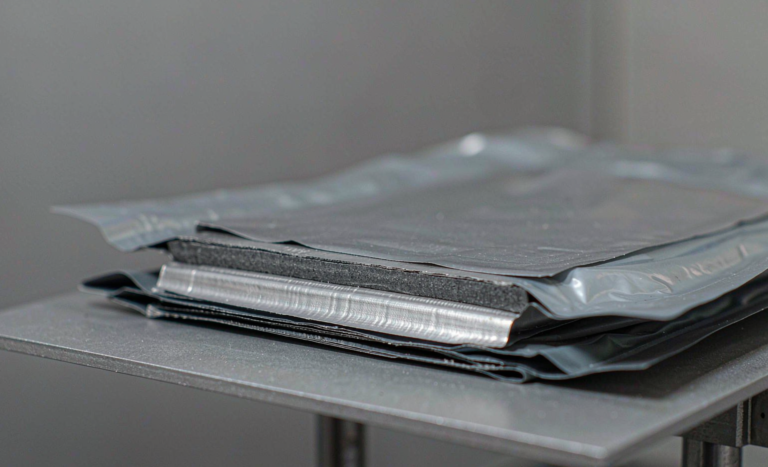
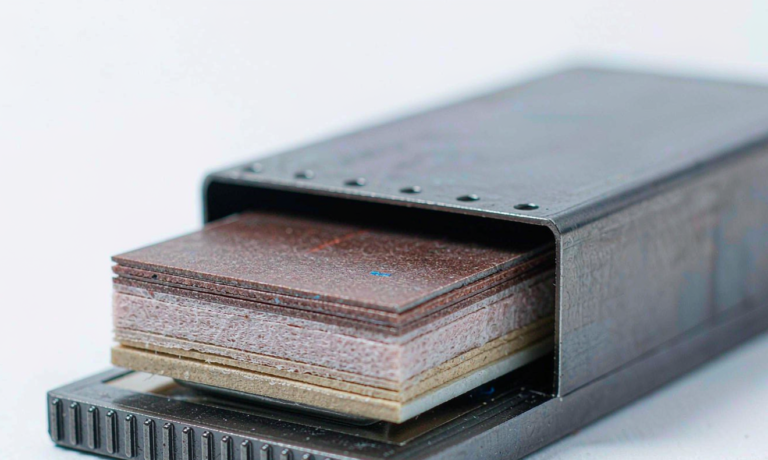
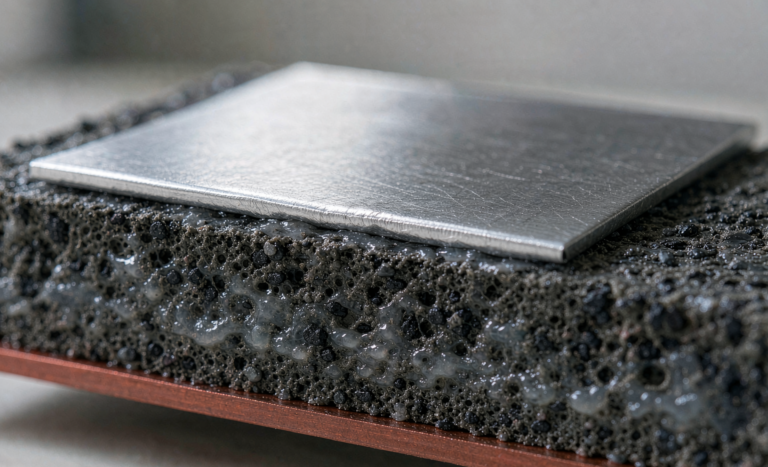
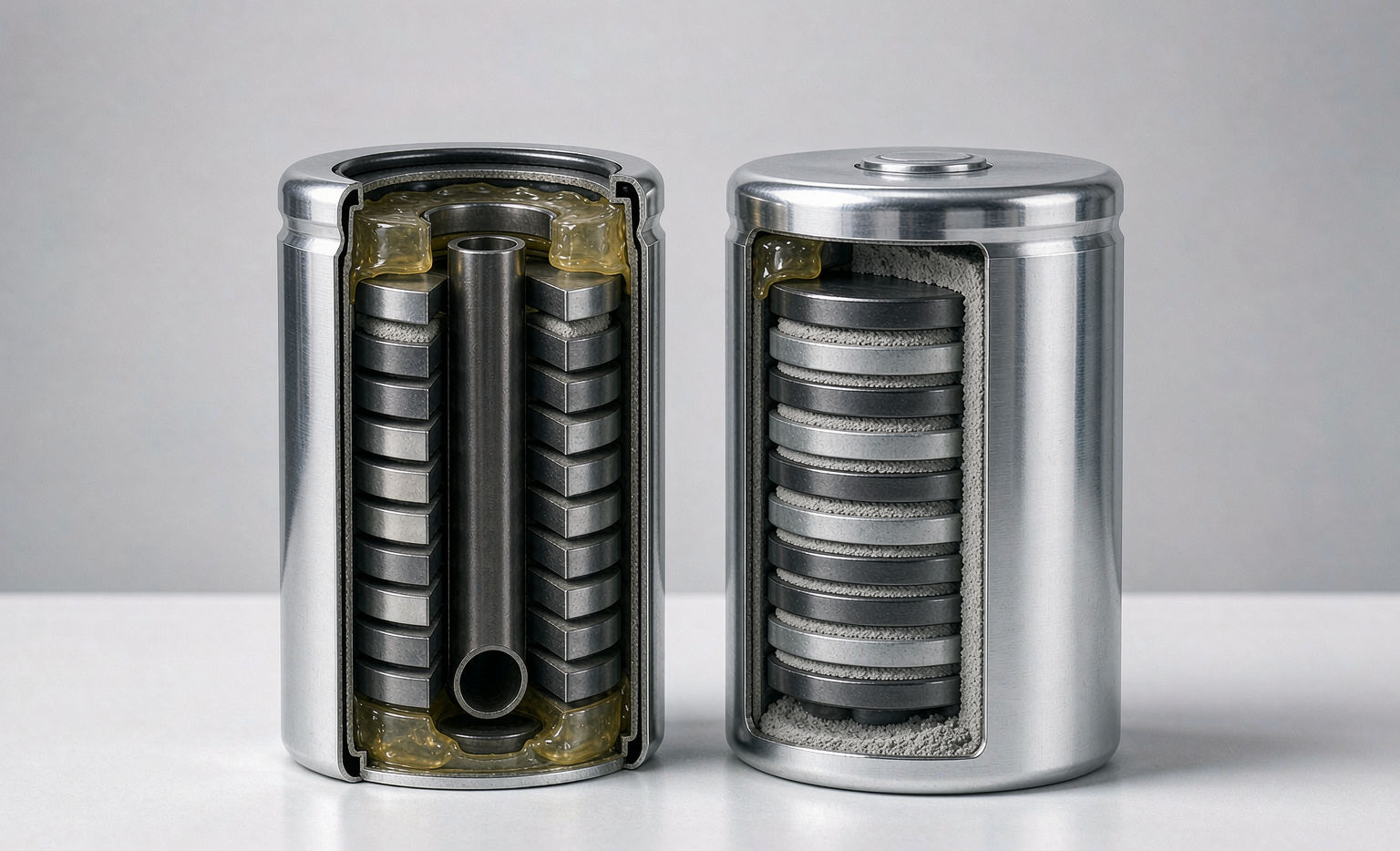
A conventional lithium-ion battery moves ions through a liquid organic electrolyte soaked into a porous separator. A semi-solid state battery replaces that free-flowing liquid with a quasi-solid, gel-like or composite electrolyte that still conducts lithium ions but carries far less flammable solvent. In the packs we build, that single change reduces the combustible solvent mass by roughly 40–60% versus an equivalent NMC cylindrical cell. You are not getting a fully solid ceramic electrolyte — that is true solid-state, still largely pre-production — but you are getting most of the safety and density upside with a manufacturing process that reuses existing coating and stacking lines. From an engineering standpoint, “semi-solid” is the pragmatic middle step, and for a buyer that means lower risk than betting on pure solid-state.
Energy Density and What It Buys You
Today’s production semi-solid cells we qualify land around 300–360 Wh/kg at the cell level, versus 240–280 Wh/kg for high-quality NMC 21700 lithium-ion and 160–200 Wh/kg for LFP. In a 6S drone pack that translates to roughly 25–35% more flight energy in the same mass budget, or the same energy at 15–25% lower pack weight. For a mapping UAV that is an extra 8–12 minutes of loiter; for a delivery drone it is one more parcel per sortie. But density is not free: the semi-solid cathode loadings run higher, which pushes formation yield and coating uniformity, so you must audit the supplier’s Cpk on coat-weight. I tell buyers to specify cell-level and pack-level Wh/kg, because the gap between the two reveals how much dead mass (enclosure, BMS, interconnect) the vendor is hiding.
Safety — Abuse Tolerance and Thermal Runaway
This is where the buyer comparison gets decisive. Liquid-electrolyte lithium-ion passes UN38.3 T.1–T.8 and IEC 62133-2 as the regulatory floor, but its failure mode under nail penetration or external short is a vigorous, self-sustaining exotherm. Our semi-solid cells, with reduced solvent, show a markedly higher onset temperature and lower peak heat release in nail and overcharge abuse testing — typically a 30–50°C higher thermal-runaway onset and roughly half the peak dT/dt we measure on a calorimeter. That does not make them immortal; a fully ruptured cell still vents. But it widens the margin between “something went wrong” and “everything went wrong,” which is exactly the margin a solid-state drone battery needs when it is 80 meters up over a crowd. For air transport, both still ship under IATA Section II / UN3480–3481 with the 100–160 Wh per-battery ceiling we design to for FAA Part 107 and EASA U-space operations.
Cycle Life, Calendar Aging, and Total Cost
On paper the semi-solid chemistry promises 1,200–2,000 cycles at 80% depth of discharge; our early field data on robotics packs shows 1,000–1,400 cycles before hitting the 80% SOH gate, versus 600–1,000 for comparable NMC lithium-ion. The bigger story is calendar aging: lower solvent activity slows the parasitic side reactions that eat capacity while a pack sits idle at 60% SoC, so a semi-solid state battery that charges once a week outlasts a lithium-ion one that does the same by a wider margin than cycle counts suggest. Buyers fixate on the $/kWh sticker — currently semi-solid runs about 1.6–2.2× the cell cost of NMC — but the right metric is cost per delivered cycle. In high-utilization fleets we model the crossover at roughly 400–700 cycles, after which the semi-solid pack is cheaper per flight. That is why I steer delivery and inspection fleets toward semi-solid and low-duty consumer toys toward plain lithium-ion.
Charging and Cold-Weather Behavior
A semi-solid state battery is less forgiving on fast charge until the interface impedance settles; the ionic pathway through the gel is higher resistance than free liquid, so our BMS caps CC charge at roughly 0.7–1.0C versus 1.5–2.0C on a good lithium-ion pack, and we schedule a formation-style slow first charge. Cold weather is the surprise win: because there is less free liquid to freeze and form dendrites, our semi-solid packs retain 80–88% of rated capacity at −10°C versus 65–75% for liquid NMC, and lithium plating risk on a cold charge is meaningfully lower. For operators flying alpine inspection or northern delivery routes, that cold envelope alone justifies the premium. We still gate charging below 0°C with a pre-warm step, per IEC 62133-2 charge-temperature limits.
Maturity, Supply Chain, and a Buyer’s Decision Rule
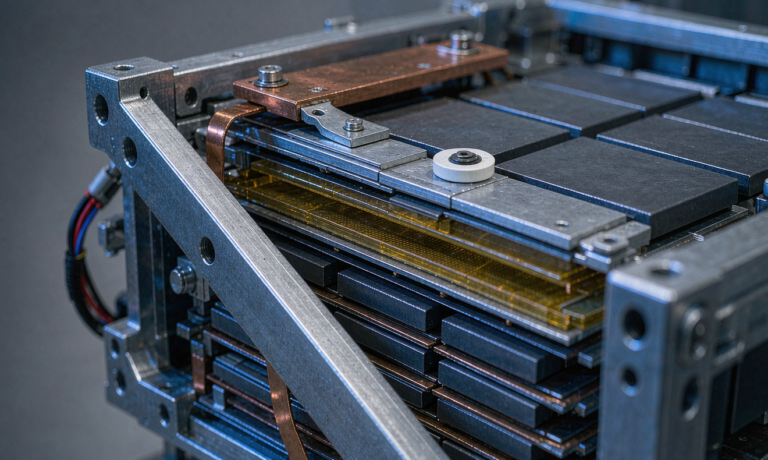
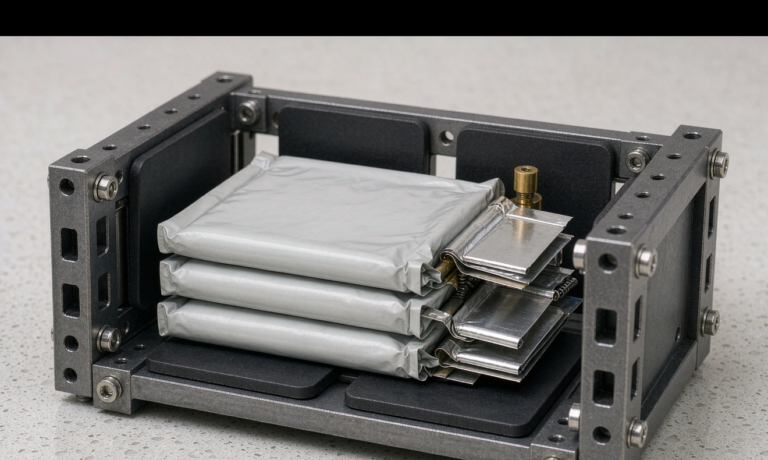
Here is my blunt buyer’s rule. Choose semi-solid state battery packs when: (1) energy density or flight time is the binding constraint, (2) the pack flies over people or valuable assets where safety margin matters, (3) utilization is high enough to cross the cost-per-cycle crossover, or (4) cold-weather reliability is non-negotiable. Choose mature lithium-ion when: bill-of-material cost dominates, volumes are huge and qualification lead time is short, or the duty cycle is light. Supply chain maturity is the real caveat — semi-solid cathode and separator materials are still consolidating, so I insist buyers qualify at least two cell sources and lock a DataMatrix genealogy program so a lot escape does not ground a fleet. For a custom battery solution, we prototype both chemistries on the same mechanical envelope so the buyer can A/B real flight data before committing volume.
Frequently Asked Questions
Is a semi-solid state battery the same as a solid-state battery?
No. A solid-state battery uses a fully solid electrolyte (often a ceramic or sulfide) with little to no liquid; semi-solid retains a gel or composite quasi-solid electrolyte. Semi-solid is shipping today at meaningful volume; true solid-state is still largely pilot-line. Think of semi-solid as 80% of the way there with 80% of the manufacturing risk removed.
How much more does a semi-solid state battery cost right now?
At the cell level, roughly 1.6–2.2× an equivalent NMC lithium-ion cell in 2026. But measure cost per delivered cycle and per flight-hour; in high-utilization drone and robotics fleets the premium pays back inside the first year for many duty cycles.
Can I drop a semi-solid state battery into my existing drone?
Electrically yes if the voltage and connector match, but the charge profile differs — slower CC cap and a cold-pre-warm step — so you need a compatible charger or BMS tuning. We deliver a custom battery solution with matched charger firmware so the swap is plug-and-fly, not plug-and-hope.
Which lasts longer, semi-solid state or lithium-ion?
In our field data, semi-solid wins on both cycle life (1,000–1,400 vs 600–1,000 cycles to 80% SOH) and calendar life, because the reduced solvent slows idle aging. LFP lithium-ion remains the long-life champion for low-cost stationary use, but among high-energy cells semi-solid leads.
When will semi-solid state batteries fully replace lithium-ion?
Not soon across the board. They will dominate premium drone, aerospace, and safety-critical segments first, while cost-sensitive and high-volume consumer applications keep using mature lithium-ion for years. The smart buyer specs both and lets the duty cycle decide.