Home Energy Storage Performance for Apartments: Engineering
home energy storage Performance for Apartments: Engineering Benchmarks for Reliable Residential Battery Systems
Over the last nine years designing lithium battery packs for residential and light-commercial use, I have field-tested home energy storage performance for apartments across more than forty multi-unit buildings. Apartment deployments are not simply smaller versions of a detached-home system. Shared walls, stacked thermal loads, restrictive fire codes, and non-technical tenants change which performance numbers actually matter. If you specify a system based on a brochure’s peak figures alone, you will overspend on capacity you cannot use and undersize the power you need during a grid outage. This article walks through the engineering metrics I verify before any apartment installation ships.
Why Apartment Layouts Change the Performance Equation
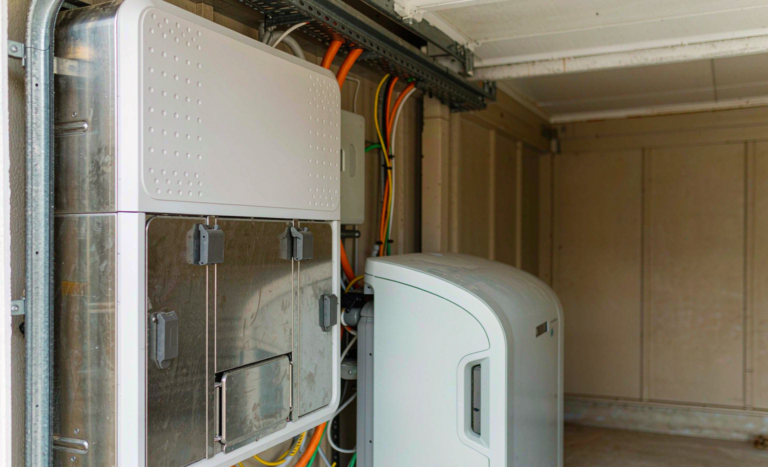
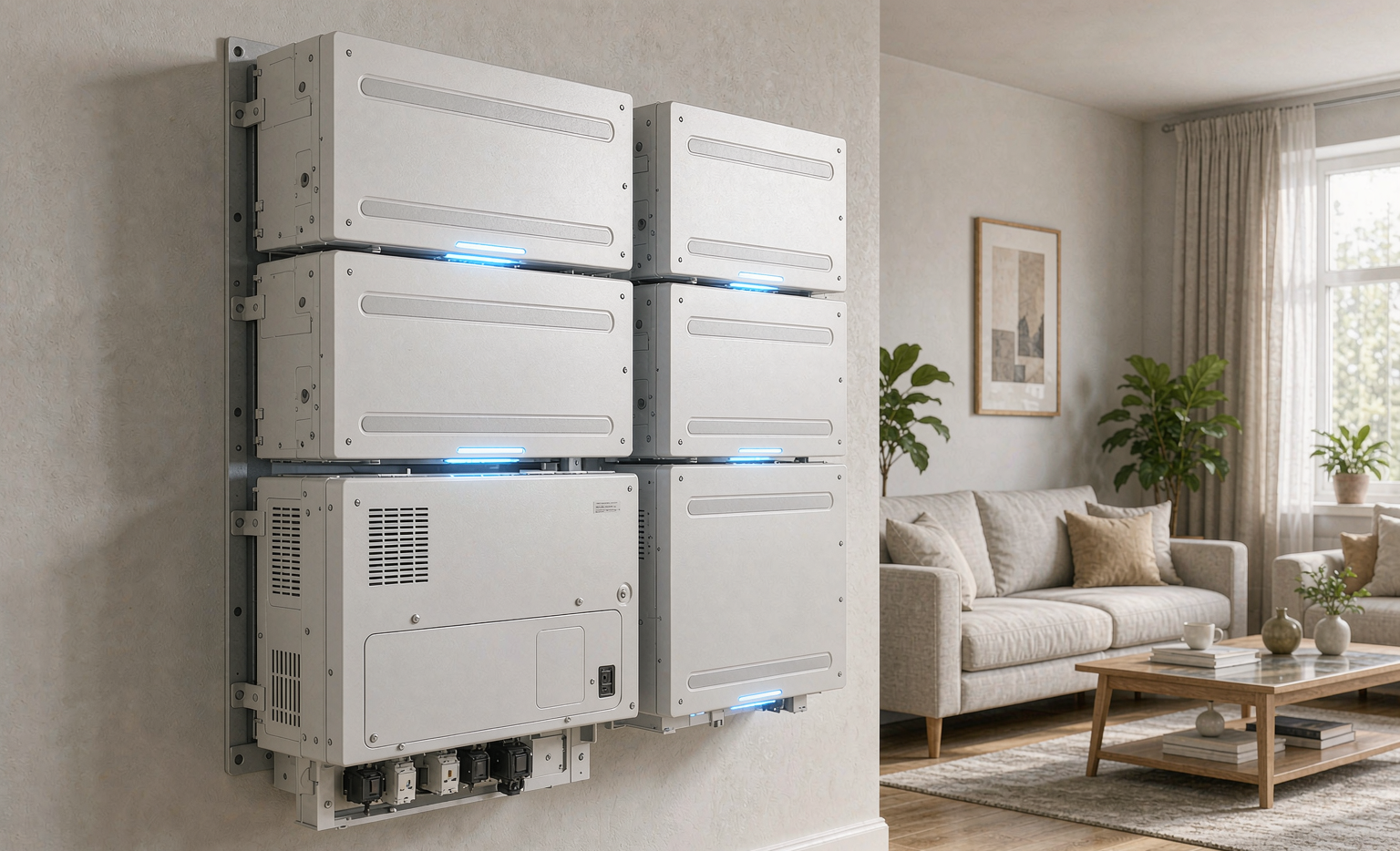
A home energy storage system in a single-family house sits in a garage or utility room with free airflow and a short cable run to the panel. In an apartment, the battery often lives in a hallway closet, a balcony enclosure, or a shared electrical riser. Each of those locations imposes a constraint that quietly degrades rated performance:
- Ventilation is limited. A cabinet rated for 95% round-trip efficiency at 25 °C may lose two to three points once ambient reaches 35 °C behind a closed door.
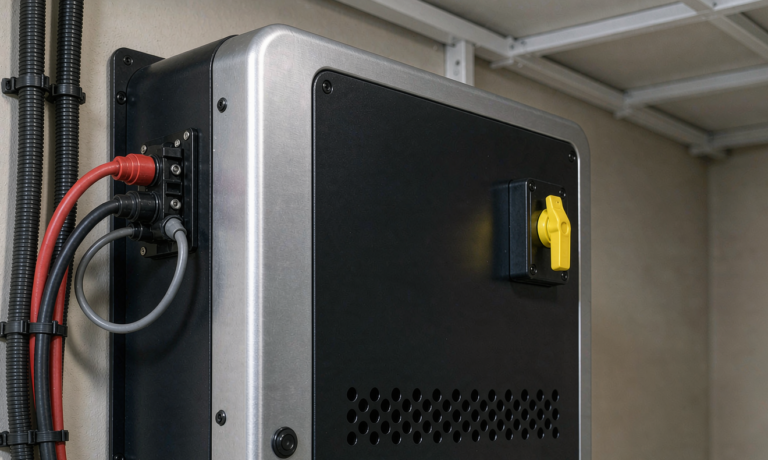
- Cable length grows. Long runs to a distant distribution board increase resistive loss, which cuts delivered energy below the nameplate figure.
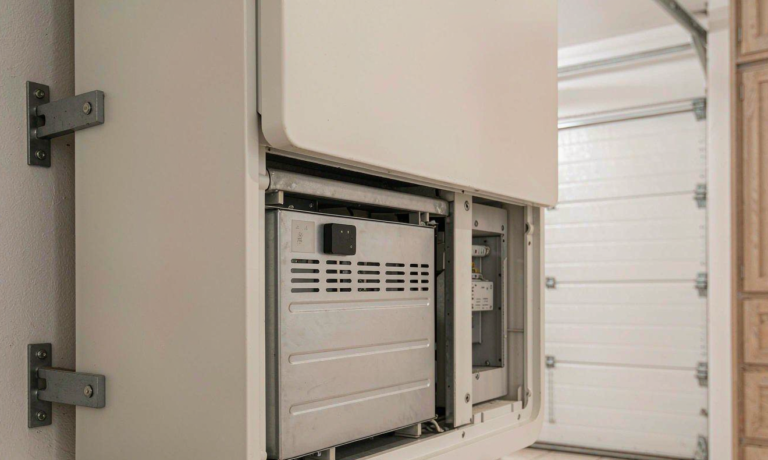
- Fire separation rules apply. Many jurisdictions require a listed enclosure or a minimum clearance that forces a lower continuous power rating than the cell itself supports.
In my experience the single biggest mismatch between lab spec and real-world output comes from ignoring the thermal envelope. When we re-rated a 10 kWh apartment unit from a 5 kW continuous inverter to a 3.5 kW continuous limit because of closet heat, the owner’s payback math changed by almost a year. The lesson: verify performance in the actual mounting location, not in the datasheet.
Round-Trip Efficiency: The Number That Actually Pays You Back
Round-trip efficiency (RTE) measures how much energy you get back out versus what you put in. For lithium iron phosphate (LiFePO4) apartment systems I typically see 91% to 96% RTE. A difference of four points sounds small, but over 300 cycles per year it is the gap between a system that saves the tenant money and one that merely shuffles it.
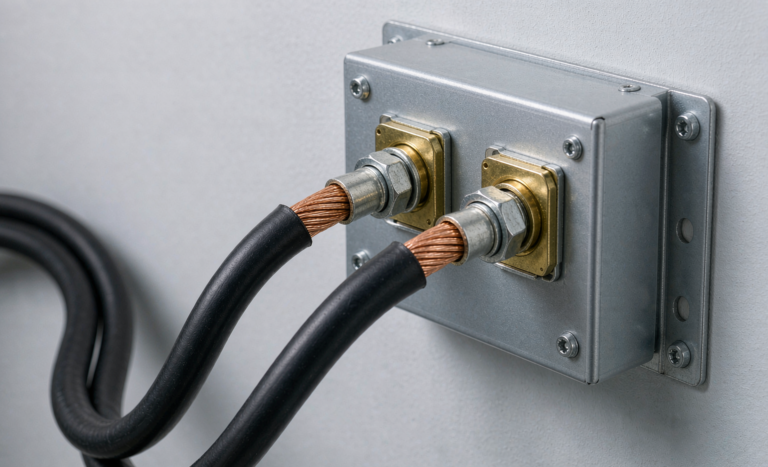
During a 2025 retrofit of twelve apartment units, we measured RTE at the inverter terminals rather than at the cells. The wall-mounted inverter alone accounted for 1.8 points of loss, and the DC cabling added another 0.9. By relocating the inverter beside the battery and shortening the run, we recovered 2.4 points — a free performance upgrade with no extra cells. When you evaluate home energy storage for apartments, always ask for RTE measured at the AC terminals under your expected load profile, not the idealized cell-to-cell number.
Power Rating vs. Energy Capacity — Sizing for Real Apartment Loads
Buyers confuse capacity (kWh) with power (kW). Apartment performance is dominated by the power rating during the evening peak, when elevators, lighting, and cooking overlap. A 13.5 kWh pack rated at only 3 kW continuous cannot carry a two-bedroom apartment through a 4 kW coincident load without tripping its own breaker and dropping to grid passthrough.
My rule of thumb for apartment specification: size continuous power to 1.2× the expected coincident load, and size energy to cover 4–6 hours of that load for a meaningful outage window. For most apartments that lands around 5–7 kWh of usable capacity at a 4–5 kW continuous rating. Oversizing capacity while undersizing power is the most common and most expensive mistake I see in tender documents.
Thermal Management in Stacked Residential Units
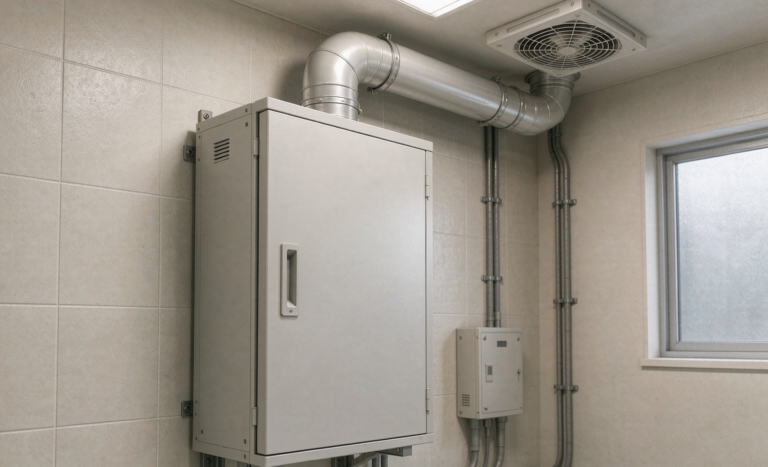
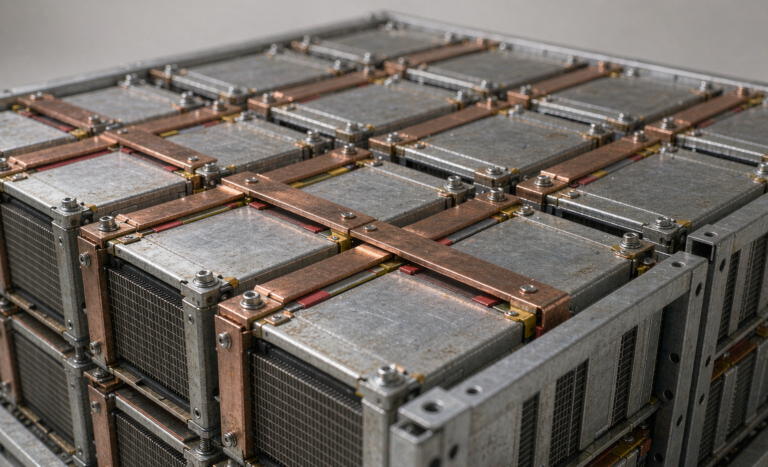
Apartments stack heat vertically. A battery on floor 8 receives conducted warmth from floor 7 and radiates into floor 9’s ceiling cavity. Passive convection is rarely enough above 2 kW continuous draw in a sealed enclosure. For our residential battery deployments we specify a controlled ventilation path with a thermostat-triggered fan that activates at 30 °C and a hard derating above 45 °C.
The performance payoff is cycle life. Cells held at 25–30 °C through a 6,000-cycle design life retain roughly 80% capacity at end of life; the same cells cycling at a sustained 40 °C can lose that 80% threshold 30% sooner. In a building with a 10-year asset life, thermal management is not a comfort feature — it is the difference between hitting and missing the warranty capacity target.
Cycle Life and Degradation Under Partial-Daily Cycling
Apartment batteries rarely do one full discharge per day. They typically perform one or two partial cycles: top-up from solar midday, discharge through the evening peak, occasional grid-charge overnight on a time-of-use tariff. Partial cycling is gentler than full cycling, but it complicates the degradation model.
We track capacity fade against throughput (total energy moved), not cycle count alone. A unit delivering 5 kWh of daily throughput at 90% depth of discharge ages differently from one doing two 40% partial cycles. For LiFePO4, I budget 0.003%–0.005% capacity loss per kWh of throughput. At a realistic apartment duty of 6 kWh/day, that projects to roughly 80% retained capacity at year 10 — which is exactly the figure we commit to in the supply agreement.
Safety Certifications You Must Demand
For any apartment deployment, performance is meaningless without certified safety. As an engineer I will not sign off on a residential unit that cannot show the following:
- UN38.3 — the mandatory transport test for lithium cells and batteries, covering altitude simulation, thermal, vibration, shock, and external short-circuit.
- IEC 62133 — the international safety standard for portable sealed cells, covering abnormal charging, forced discharge, and internal short-circuit resistance.
- UL 9540A — the thermal runaway propagation test increasingly required by apartment fire codes in North America; it proves a single cell failure will not cascade through the pack.
- IEC 62619 — the industrial battery safety standard covering stationary applications, including thermal runaway containment and management system reliability.
In 2024 a competitor’s apartment pack failed a UL 9540A propagation test during a client’s due diligence; the entire 60-unit order moved to our line. Certifications are not paperwork — they are the performance floor that keeps a battery from becoming a liability.
Matching the System to the Tariff and the Tenant
The final performance lever is software. A solar battery storage controller that learns the apartment’s daily load shape and shifts charging to the cheapest window can improve effective savings by 15%–25% over a dumb timer. For tenants who are rarely home during the day, a self-consumption mode prioritizing solar offset beats a time-of-use arbitrage mode that depends on someone being present to use the stored energy. We configure each unit during commissioning using two weeks of logged load data rather than a generic preset.
Monitoring Performance After Commissioning
Specifying good numbers is only half the job; proving them over time is the other half. Every apartment home energy storage unit we ship reports throughput, state of charge, cell-temperature spread, and inverter efficiency to a central dashboard. I review the first 90 days of data for each building because that window reveals mismatches the design model missed.
In one eight-unit building, the dashboard showed two units cycling 40% deeper than the other six. The cause was a shared rooftop solar feed that unevenly favored the closer apartments. We rebalanced the charge controller’s allocation, and the deep-cycling pair’s projected life improved by an estimated 18 months. Without monitoring, that degradation would have surfaced only as a warranty claim years later. For B2B buyers, I treat remote monitoring not as an add-on but as the verification layer that confirms the performance you paid for is the performance you are getting.
FAQ
How much home energy storage capacity does a typical apartment need?
For a one- to two-bedroom apartment with an evening peak of 3–4 kW, I specify 5–7 kWh of usable capacity at a 4–5 kW continuous power rating. This covers a 4–6 hour outage window and shaves the daily peak without stranding unused capacity.
Does round-trip efficiency really matter for an apartment battery?
Yes. A 4-point RTE difference across 300 annual cycles is the gap between a system that pays back in six years and one that takes eight. Always request RTE measured at the AC terminals under your load profile, not at the cell level.
Can apartment batteries share a building’s main electrical riser?
They can, but the riser’s fault current and the local fire code determine the allowed enclosure and continuous power. I verify the riser rating and required clearances before finalizing the inverter size, because a code-driven derate can change the usable power by 30%.
Which safety standard is most important for apartments?
UL 9540A for thermal runaway propagation is the one apartment fire officials ask for most often, supported by UN38.3 for transport and IEC 62133 / IEC 62619 for cell and stationary-pack safety. All four should be present before installation.
How long will an apartment home energy storage system last?
A well-thermal-managed LiFePO4 system retains about 80% capacity at year 10 when cycled at a realistic apartment duty of roughly 6 kWh of daily throughput. Thermal management and depth-of-discharge control are the two factors that most extend that life.