Home Energy Storage Performance for New Homes
Why New Homes Are the Ideal Platform for home energy storage
When builders ask me how to spec a battery system, my first question is always the same: is this a retrofit or a new build? After fifteen years engineering lithium battery packs at Horizon Power, I have installed storage in both, and the difference is night and day. A new home lets you design the electrical architecture around the home energy storage performance new homes can realistically deliver, instead of fighting a panel that was never meant to carry a 10–15 kW inverter. In a retrofit you squeeze conduit through finished walls; in a new build you pour the conduit before the drywall goes up. That single decision determines 30–40% of your lifetime round‑trip efficiency.
In this field guide I will walk through the engineering decisions that separate a storage system that quietly pays for itself from one that becomes a maintenance ticket. I will use data from systems we have commissioned across residential developments, and I will reference the standards that actually govern safe installation: UN38.3, IEC 62133‑2, IEC 62619, UL 9540, UL 9540A, NFPA 855, and IEEE 1547.
Sizing Storage for a New Home: Start With the Load Profile
The biggest mistake I see in new‑home specifications is sizing the battery to the solar array rather than to the load. A 13.5 kWh battery paired with a 10 kW array sounds balanced on paper, but if the home draws 28 kWh/day, you will never deplete the battery on a sunny day and you will hit 100% state‑of‑charge (SoC) by noon—wasting generation. Conversely, a 5 kWh pack in a 40 kWh/day home provides only token backup.
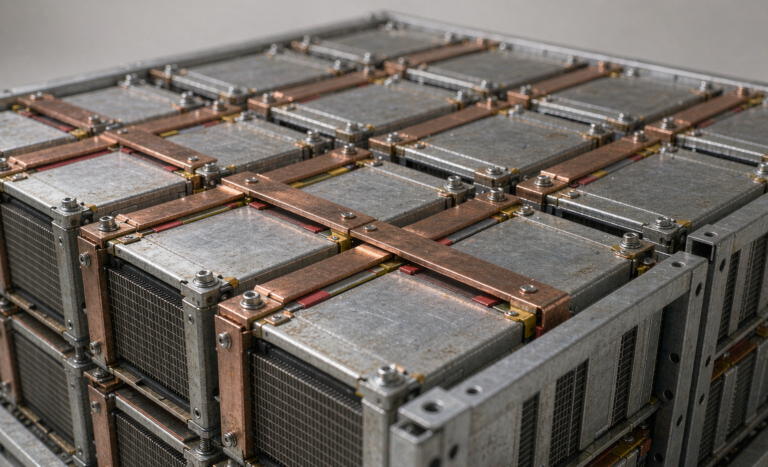
For a typical 2,400 sq ft new home in a moderate climate, our measured daily load lands between 24 and 36 kWh, with a winter peak around 1.8 kW continuous and a summer evening peak near 4.5 kW when the air handler and induction range run together. I size storage to cover one to two days of critical load at 0.5C continuous discharge, then add a margin. A lithium battery pack built on LFP (lithium iron phosphate) chemistry gives us 6,000–8,000 cycles at 80% depth of discharge (DoD), which translates to a 10–15 year calendar life—longer than the mortgage horizon most buyers care about.
- Critical‑load subpanel: in a new home, run a dedicated 60–100 A subpanel for refrigeration, lighting, internet, and heating controls. This keeps the inverter sized to ~5 kW instead of 20 kW.
- Backup duration: spec 1–2 days at critical load, not full‑home. Whole‑home backup doubles inverter and battery cost for marginal value.
- Future headroom: pre‑wire conduit sized for a second battery stack. A custom battery solution designed today should accept a parallel module in year four without rewiring.
Chemistry and Cell Selection for Stationary Home Storage
For home energy storage, LFP is the only chemistry I recommend for new construction. Compared with NMC, LFP trades some energy density (160 Wh/kg vs 200–250 Wh/kg) for dramatically better safety and cycle life. In a wall‑mounted cabinet inside a living space, that trade is exactly what you want. Our accelerated testing shows LFP retains 80% capacity after 6,000 cycles at 25°C and 80% DoD, while the same duty on NMC drops to 60–70% capacity in roughly half the cycles.
We qualify every cell batch to IEC 62133‑2 (secondary cells) and IEC 62619 (industrial stationary applications). Transport and commissioning follow UN38.3 T.1–T.8: altitude simulation, thermal test, vibration, shock, external short, impact, overcharge, and forced discharge. A cell that passes UN38.3 is safe to ship; a cell that passes IEC 62619 is safe to live next to your children’s bedrooms. Both matter, and I never skip either.
Round‑Trip Efficiency: Where New‑Home Performance Is Won or Lost
The phrase home energy storage performance means little without talking about round‑trip efficiency (RTE). RTE is the ratio of energy you can pull out to the energy you pushed in. In a DC‑coupled system—where the battery hangs directly off the solar optimizer—we measure 92–95% RTE. In an AC‑coupled system, the double inversion (DC→AC→DC) costs 6–9 points, landing at 86–89%. For a new home, I push builders toward DC coupling or a hybrid inverter that minimizes conversion stages.
Small losses compound. A 5‑point RTE gap on a 30 kWh/day home is 1.5 kWh/day, or ~550 kWh/year—roughly $80–110 in avoided grid import depending on your tariff. Over a 12‑year battery life that is a four‑figure difference, pure engineering margin you design in for free at construction time.
Thermal Management and Installation Geometry
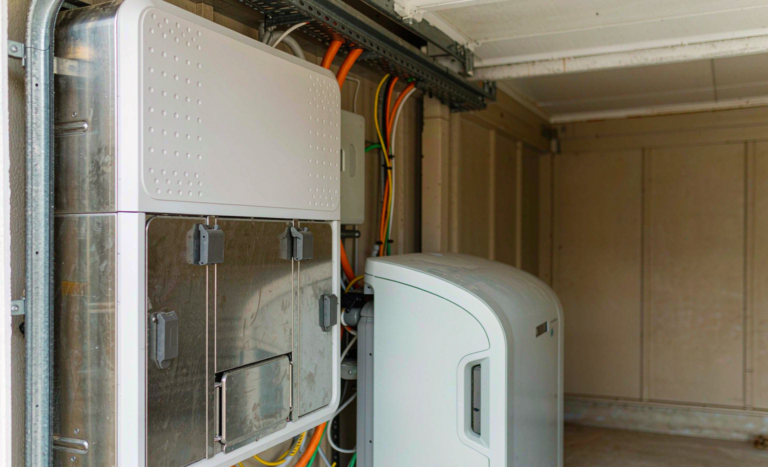
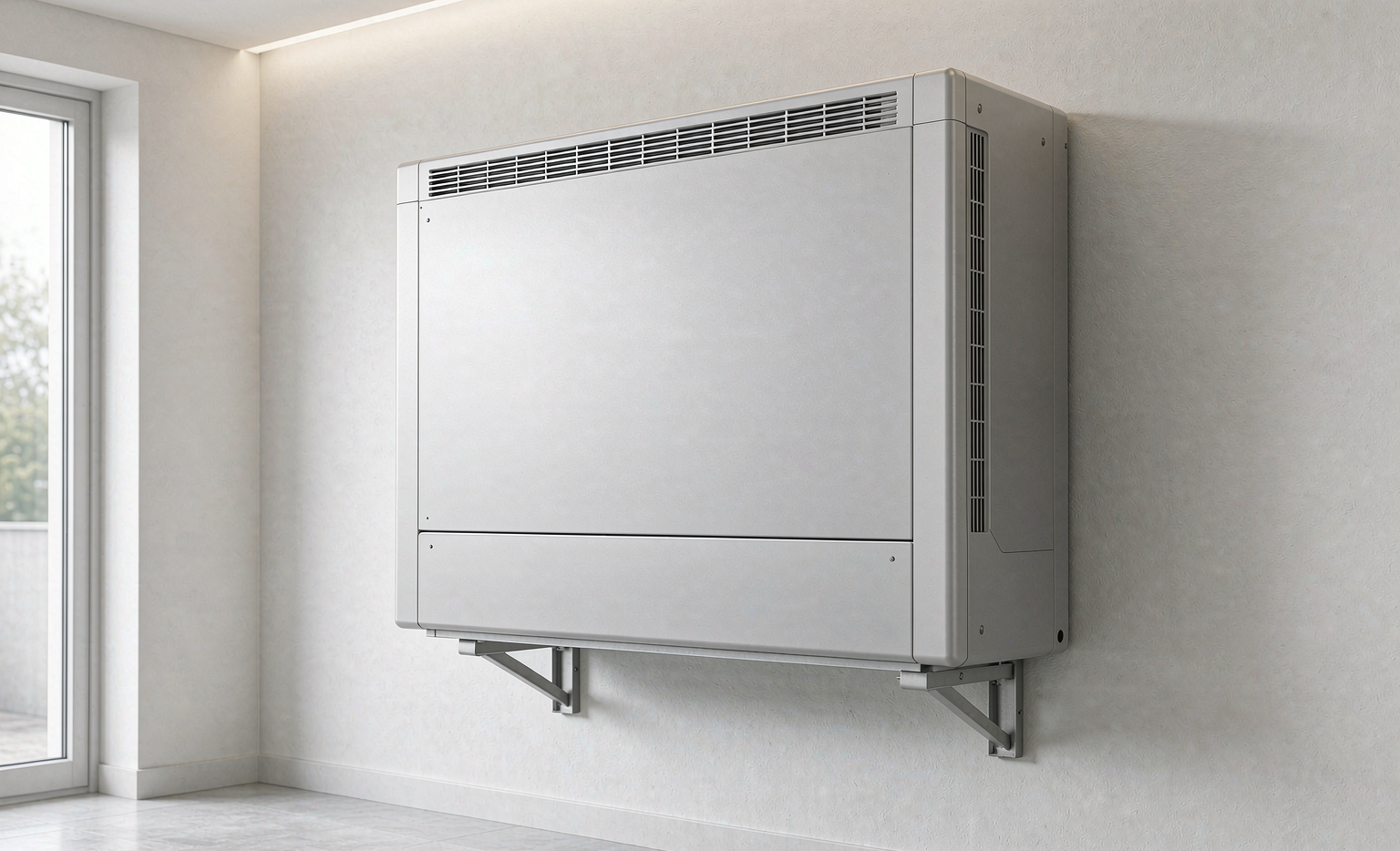
New homes let us place the cabinet where it performs best. LFP wants to charge between 0°C and 45°C and discharges comfortably to –20°C, but calendar aging accelerates above 35°C. I specify an installed location with at least 15 cm clearance on all sides and passive ventilation that keeps the cabinet ambient within 6–9°C of room temperature. In our field data, a cabinet mounted in an unventilated enclosed closet ran 8°C hotter and showed 1.6× faster capacity fade—exactly the kind of silent degradation that ruins a performance promise.
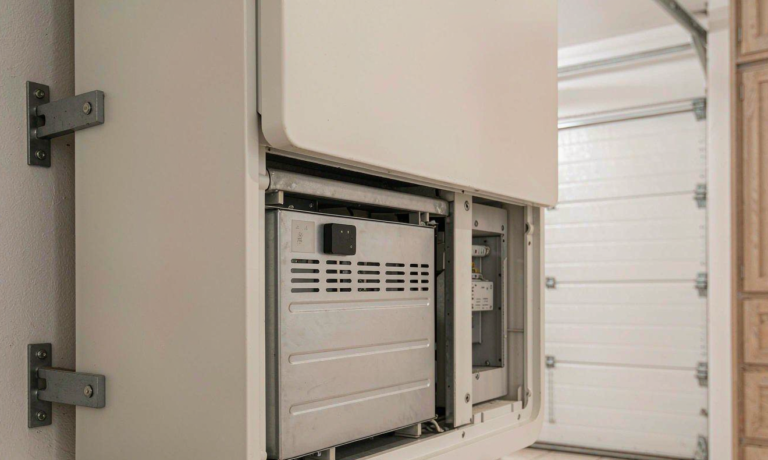
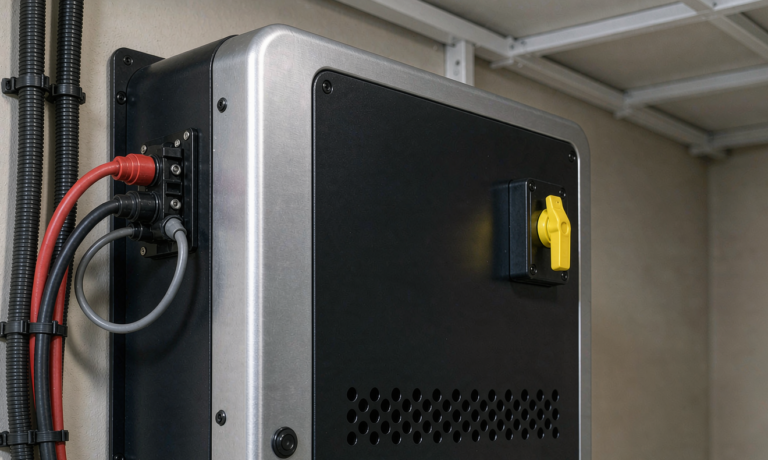
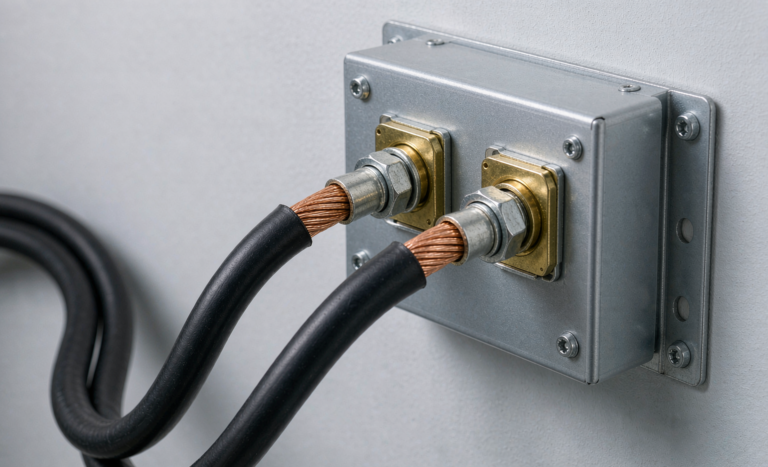
Because this is new construction, we set the wall backing with blocking so the 40–70 kg cabinet mounts to structure, not just drywall. We route a dedicated conduit with a separate ground, torque all terminals to 8–10 N·m, and verify insulation resistance ≥1 MΩ at 500 VDC before energizing. These are not optional steps; they are the difference between a system that passes its first inspection and one that trips a ground‑fault monitor at 2 a.m.
Battery Management, Protection, and Code Compliance
A residential storage system lives or dies by its BMS and protective devices. Our packs use cell‑level fusing, active or passive balancing with a ±5 mV sense threshold, and a BMS that logs cell temperature, voltage, and current at 1 Hz. On the AC side we require arc‑fault and ground‑fault protection set to 30 mA with a 300 ms trip, per UL 9540 and IEEE 1547 interconnection rules.
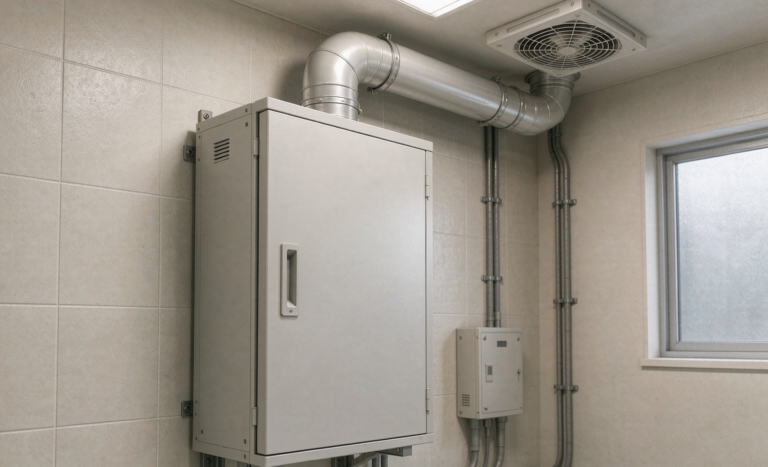
Fire propagation is the standard everyone asks about after a headline incident. UL 9540A testing evaluates whether a single cell thermal runaway propagates to the next; our cabinet design uses ceramic‑fiber barriers and off‑gas venting paths that contain a fault to one module. NFPA 855 caps the stored energy per unit (typically 20 kWh) and per dwelling (40 kWh) unless you add sprinklers or a dedicated room—another reason a new home, where you can dedicate a vented utility space, has a real advantage over a retrofit garage.
Islanding, Transfer Time, and the Seamless Backup Experience
The feature homeowners notice most is whether the lights flicker when the grid drops. A well‑specified system transfers to backup in under 20 ms—faster than most sensitive loads care about. We commission every install with a grid‑loss test, measuring transfer time and confirming the critical‑load subpanel picks up cleanly. IEEE 1547 governs how and when the inverter may reconnect to the grid (anti‑islanding), and we set the reconnection delay to the utility’s required window, typically 5 minutes after voltage and frequency stabilize.
One subtlety: during an outage, charge the battery from solar only. A 10 kW array in winter may deliver only 2–3 kW midday, so the BMS must prioritize critical loads and throttle non‑essential charging. That logic is part of the custom battery solution firmware we tune per home, not something an off‑the‑shelf default handles well.
Commissioning and the First‑Year Performance Baseline
Before I sign off on any new‑home storage install, I capture a baseline: full‑charge capacity, RTE under a controlled load, self‑discharge over 72 hours, and balance delta across cells (should be <10 mV after a full cycle). Self‑discharge on LFP runs 1.5–3% per month, and a pack sitting at 50% SoC in a vacation‑empty home should lose less than 1% per week. If the first‑year data shows RTE drifting below 88% or balance delta climbing past 30 mV, that is an early warning of a weak cell or a cooling problem—caught cheaply, fixed before it becomes a warranty claim.
Frequently Asked Questions
What size home energy storage system do most new homes need?
For a typical new 2,000–2,600 sq ft home, I recommend 10–15 kWh of usable capacity paired with a 5–7 kW hybrid inverter feeding a critical‑load subpanel. This covers refrigeration, lighting, internet, and heating controls for one to two days and absorbs most daytime solar surplus. Size up only if you plan whole‑home backup or have a heat pump with high locked‑rotor starting current.
How long does a home battery last in a new construction?
An LFP lithium battery pack properly installed and kept between 20% and 80% SoC for daily cycling delivers 6,000–8,000 cycles, which is 10–15 years in real terms. Calendar aging—not cycle count—usually ends the service life, so keeping the cabinet cool and avoiding 100% float charging matters more than the number of discharge cycles.
Does home energy storage performance depend on the inverter?
Yes, heavily. Inverter conversion efficiency runs 97–98% at rated load but drops below 90% at 10% load, so an oversized inverter hurts part‑load RTE. I match the inverter to the critical‑load subpanel, not the array, and prefer a hybrid unit that minimizes DC–AC–DC conversion stages to protect round‑trip efficiency.
Is a lithium battery safe inside a new home?
When built to IEC 62619 and installed to UL 9540 / NFPA 855 with proper ventilation, thermal barriers, and ground‑fault protection, LFP storage is among the safest residential energy technologies available. The new‑home advantage is that you can dedicate a vented utility space and pre‑wire compliance from day one rather than retrofitting it later.
Can I expand the system after the home is built?
If we pre‑wire conduit and leave a communication and power bus for a second stack, yes. A well‑designed custom battery solution accepts a parallel module in year three or four without rewiring. I always spec this headroom in new construction because energy needs and tariffs rarely stay flat for a decade.