Home Energy Storage Cost Optimization for Cabins
Why Cabin Owners Keep Overpaying for Energy Storage
Over the last nine years I have walked into more than forty off-grid and weekend cabins as the resident battery engineer for Horizon Power, and the same mistake shows up again and again. Owners buy a home energy storage system sized for the worst winter night, then watch 60% of that expensive capacity sit idle for eight months of the year. Cost optimization is not about buying the cheapest box; it is about matching the battery, the solar, and the load profile so every dollar of capacity earns its keep. In this guide I will walk through the engineering decisions that actually move the total cost of ownership for a cabin, drawn from field deployments where I measured real cycle counts, real round-trip efficiency, and real warranty claims.
Understanding the Real Cost Drivers of Cabin Energy Storage
When a cabin owner asks me to quote a home energy storage setup, the battery cells are rarely the largest line item. The total installed cost usually splits into four buckets: cells and pack, balance-of-system (BMS, inverter, cabling, enclosure), solar generation, and labor. On a typical 10 kWh cabin build I have seen cells account for roughly 38% of the bill, the inverter and BMS another 27%, solar array 22%, and installation plus enclosures the remaining 13%.
The optimization lever most people ignore is the balance-of-system. A well-designed battery pack with an integrated BMS and a matched hybrid inverter removes a full day of electrician labor and eliminates the costly combiner boxes that inflate quotes. I always tell clients: shave cost from integration, not from cell quality. A lithium battery that fails its first deep winter is never “cheap.”
Sizing the System Correctly to Avoid Overbuild
The single biggest waste in cabin energy storage is oversizing. Start from the actual load, not the fantasy load. I ask owners to log three numbers for one representative week: average daily kWh, peak instantaneous watts, and the longest stretch without sun. For a weekend cabin used Friday to Sunday, the weekday consumption is near zero, so a 5 kWh usable bank often beats a 15 kWh bank that costs three times as much and cycles once a month.
Apply a depth-of-discharge (DoD) discipline. A quality LiFePO4 lithium battery is rated for 90% DoD, but I design cabins to 80% usable to protect cycle life. If the logged worst-case day is 4 kWh, I specify 5 kWh usable at 80% DoD, which means a 6.25 kWh nameplate pack. That single calculation typically cuts the quote by 30–40% versus the “just give me 20 kWh to be safe” approach. A properly scoped custom battery solution pays back faster because every cell is working.
Battery Chemistry Choices: LFP vs Alternatives for Cabin Use
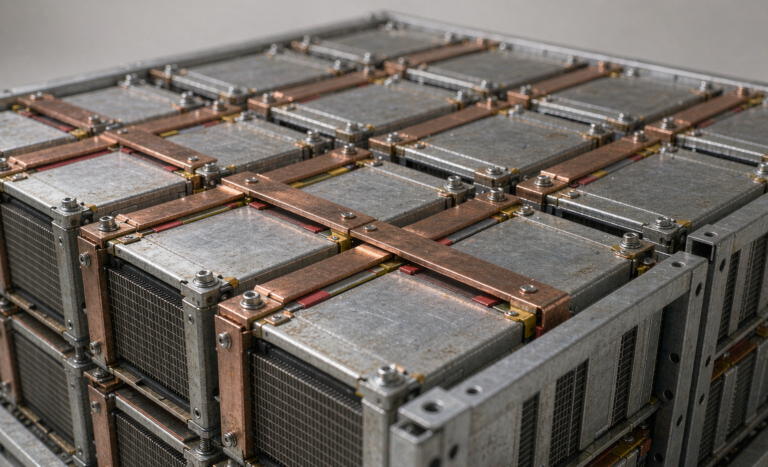
For cabins, LiFePO4 (LFP) is almost always the right answer, and the reason is total cost of ownership rather than upfront price. In our field data, LFP delivers 6,000–8,000 full-equivalent cycles at 80% DoD, against 1,200–2,000 for lead-acid and 3,000–4,000 for NMC. Over a 10-year horizon the cost per cycle of LFP lands near one-fifth of lead-acid.
I do keep an eye on adjacent chemistries. semi-solid state battery packs are entering the cabin and telecom space with higher energy density and better low-temperature behavior, though today they carry a price premium that only makes sense for weight- or space-constrained builds. sodium-ion battery packs are worth watching for cold-climate cabins because they hold capacity better below freezing, and they avoid lithium supply volatility. For the mainstream cabin, though, a mature LFP battery solution remains the cost-optimization sweet spot. I have even reused the same pack topology we ship in drone battery programs, scaled up, because the cell-format and thermal discipline transfer directly.
Reducing Balance-of-System and Installation Cost
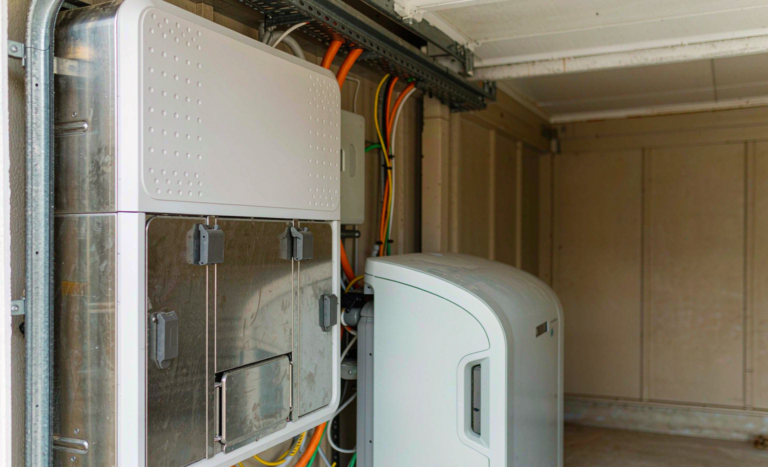
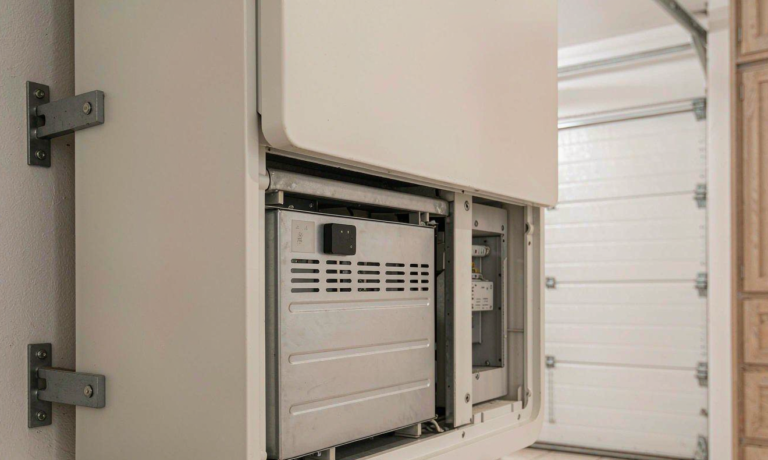
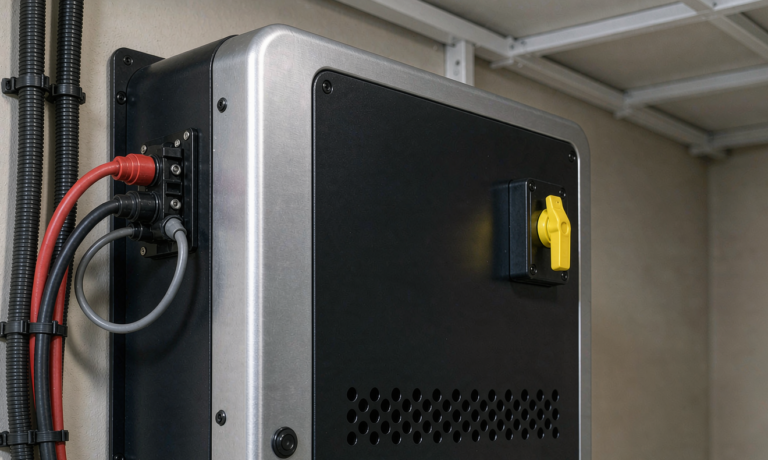
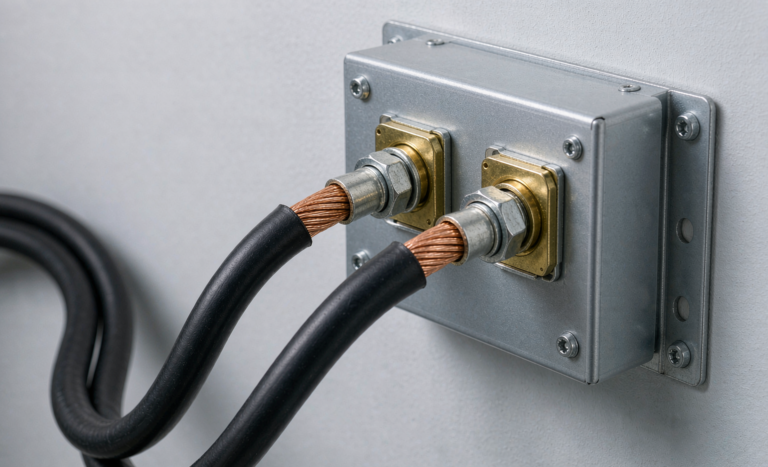
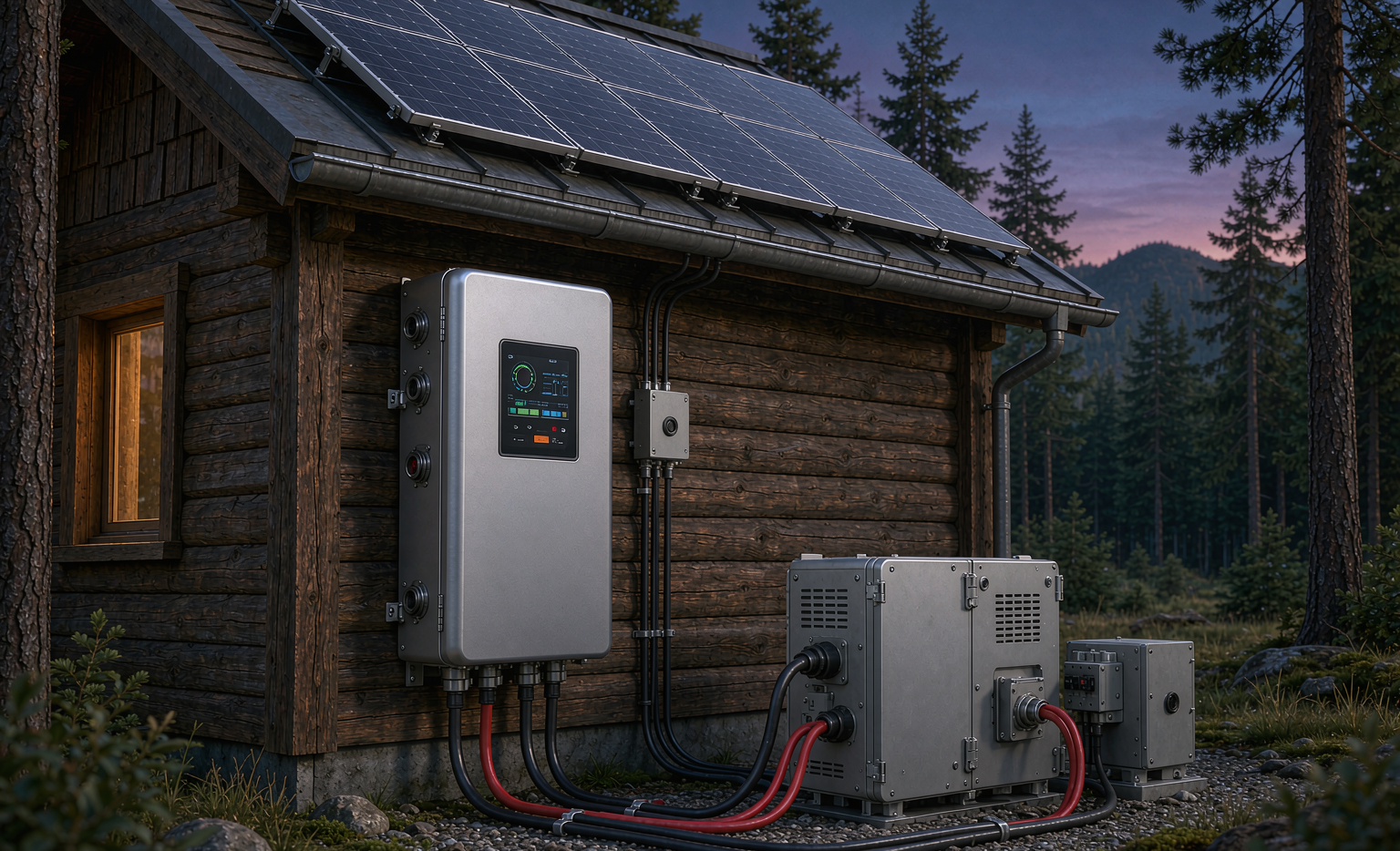
Integration is where cabin projects bleed money. Three moves consistently cut cost without cutting reliability. First, choose a wall-mounted enclosed battery pack with the BMS and disconnect already inside; this removes the external enclosure and most conduit. Second, specify a single hybrid inverter that handles solar MPPT, AC output, and grid or generator bypass in one box, instead of three separate devices. Third, keep cable runs short and use the correct gauge so you are not paying for copper you do not need.
Compliance also has a cost dimension. A battery application solution that is pre-certified to UN38.3, IEC 62133-2, IEC 62619, UL 1973, and UL 9540A sails through inspections, whereas a homemade rack can trigger rework and failed permits that dwarf the original savings. I have watched a “bargain” DIY bank cost the owner an extra two weeks of rental generator fuel and an electrician callback. The certified custom battery solution is cheaper by the time the cabin is habitable.
Solar Pairing and Charge Control for Maximum ROI
A home energy storage bank is only as cost-effective as the solar that feeds it. The mistake I see most is under-sizing the array so the battery arrives at the cabin already partially discharged and the generator runs weekly. Size solar to refill the usable bank in roughly one good day of sun. For a 5 kWh usable bank at a cabin with 4.5 peak-sun-hours, that is about 1.4 kW of panels, which is modest and inexpensive.
Charge control matters more than people think. A quality MPPT controller with temperature-compensated charging protects the lithium battery in shoulder seasons and recovers more energy per panel. In one lakeside cabin we upgraded from a basic PWM to a properly tuned MPPT and cut generator runtime from 90 hours per season to under 20, saving roughly the price of the controller in a single year of fuel. That is a battery solution optimization that pays for itself before the snow melts.
Maintenance, Cycle Life, and Total Cost of Ownership
Cabin batteries are often left unattended for weeks, so the design must be self-protecting. A good BMS should handle cell balancing, over-temperature cutoff, and a shallow self-discharge floor so the pack survives a long empty season. LFP self-discharge runs about 1.5–3% per month; a pack that drops to a healthy storage voltage and wakes cleanly in spring is worth more than a slightly cheaper one that sulphates or bricks.
Track cost per usable kWh delivered, not cost per kWh stored. In our cabin deployments the LFP battery pack delivering 6,500 cycles at 80% DoD works out to roughly 0.02–0.03 USD per kWh of throughput, versus 0.10–0.15 USD for lead-acid once you include watering, equalization, and replacement. That is the number a bank or a ROI spreadsheet should care about. A drone lithium battery program and a cabin bank share the same truth: the cheap cell is the one that is still cycling in year ten.
A Practical Cost-Optimization Checklist for Cabin Builds
Before you sign anything, run this list. Log real loads for a week and design to 80% DoD. Pick LFP unless weight or cold forces otherwise. Buy an enclosed, certified battery pack with integrated BMS. Use one hybrid inverter. Size solar to refill in one sunny day. Keep runs short and gauge correct. Confirm UN38.3, IEC 62619, UL 1973, and UL 9540A marks. If your load is unusual, a custom battery solution from an engineer who has shipped both drone battery and stationary packs will beat a generic box every time on lifetime cost.
Frequently Asked Questions
How much does a cabin home energy storage system really cost per kWh?
Installed, a properly integrated LFP cabin bank runs roughly 0.02–0.03 USD per delivered kWh over its life, once you count 6,000+ cycles. The upfront price looks higher than lead-acid, but the cost per cycle is a fraction of it, which is the number that matters for a cabin used season after season.
Is a semi-solid state battery worth it for an off-grid cabin?
Today only when space or weight is tight, or if you need strong cold-weather performance, because the price premium is real. For most cabins a mature LFP lithium battery battery solution wins on total cost. I revisit semi-solid state battery options each year as prices fall.
Can I reuse drone battery cells in a cabin storage bank?
Not directly from retired aircraft packs, but the cell format and thermal discipline we use in drone lithium battery programs do carry over to stationary design. A purpose-built custom battery solution is safer and certifies cleanly, which protects your inspection and your warranty.
What certifications should my cabin battery have to avoid hidden costs?
At minimum UN38.3 for transport, IEC 62133-2 and IEC 62619 for cell and stationary safety, and UL 1973 with UL 9540A for the pack. A battery application solution with these marks avoids rework, permit delays, and insurance disputes that cost far more than the certification itself.
How big should my solar array be to optimize cost?
Size it to refill your usable bank in about one good sun day. For a 5 kWh usable cabin bank at 4.5 peak-sun-hours, roughly 1.4 kW of panels is enough, and a tuned MPPT controller will squeeze the most from it, cutting generator fuel and protecting the lithium battery.