Home Energy Storage Cost Optimization for New Homes: An
As Karl Huang, Senior lithium battery Engineer at Horizon Power, I have spent the last twelve years specifying home energy storage systems for residential developers across three continents. The question I hear most from builders is deceptively simple: “How do we cut the cost of a home energy storage system without cutting corners on safety?” The honest answer is not “use cheaper cells.” It is systems engineering performed before the drywall goes up. New-home construction is the single best environment to optimize HES cost, because every design-stage saving compounds across hundreds of identical units instead of being negotiated one retrofit at a time.
In this field guide I will walk through the levers that actually move the number — load sizing, cell chemistry, pack architecture, balance-of-system labor, inverter pairing, and the often-overlooked role of certifications. None of these is a gimmick. Together they typically take a home energy storage solution from a budget-busting line item to a defensible, warranty-backed feature that helps sell the house.
Why New Homes Are the Ideal Place to Optimize HES Cost
The biggest cost driver in any residential battery project is not the lithium battery cells themselves — it is everything around them. In a retrofit, an electrician spends hours fishing conduit through finished walls, pulling permits for occupied spaces, and coordinating around furniture. In new construction, that same conduit is a line item on the electrical plan, run while the studs are exposed for a fraction of the labor cost.
When a developer commits to, say, 200 identical homes, the math changes again. A single custom battery solution design — one validated bill of materials, one UL 9540 system listing, one installer training — amortizes across the whole community. I have seen per-home installed cost drop by 28–35% purely from design repetition and bulk procurement, with no change to the underlying technology.
Sizing the Battery to the Real Load, Not the Brochure
The most expensive mistake in home energy storage cost optimization is oversizing. A 13.5 kWh pack dropped into a home whose daily critical load is 4.2 kWh sits at partial state of charge most of its life, wasting roughly 40% of the capital expenditure while contributing nothing to the homeowner’s bill.
My rule of thumb, validated across dozens of communities, is to size to daily critical throughput plus one backup night — not to nameplate capacity. We start with a 14-day load study from the smart panel, apply a 15% derate for cell aging over the warranty window, and round to the nearest modular battery pack step. For a typical 2,200 sq ft new home, that lands at 8–10 kWh of usable capacity, not the 13.5 kWh the marketing brochure recommends. The saving is immediate and the homeowner still rides through a multi-hour grid outage.
What Counts as a Critical Load?
Refrigeration, heating-circulation pumps, internet, a few outlets, and medical devices. EVs and electric ranges are deliberately excluded from backup math — they belong on a separate demand-management strategy, not inside the home energy storage system envelope.
Cell Chemistry Choices That Move the $/kWh Needle
For stationary storage, lithium iron phosphate (LFP, LiFePO₄) has won the cost-per-cycle war. At the cell level in 2026, LFP sits around $90–110/kWh versus $120–150/kWh for nickel-manganese-cobalt (NMC). More importantly, LFP delivers 6,000+ full-equivalent cycles at 80% retained capacity, versus roughly 1,500–2,500 for NMC — which means the lithium battery you install is still healthy when the mortgage is paid off.
We specify LFP for every home energy storage deployment at Horizon Power because its thermal runaway onset sits near 270°C, well above the ~150°C of NMC, which simplifies the enclosure and fire-mitigation budget. We keep a close eye on adjacent chemistries: sodium-ion battery packs are closing the energy-density gap for mild-climate homes, and semi-solid state battery cells promise higher pack-level energy density once process yield matures. Neither yet beats LFP on landed cost for a new home today, but the roadmap is real.
Centralized Versus Modular Battery Packs
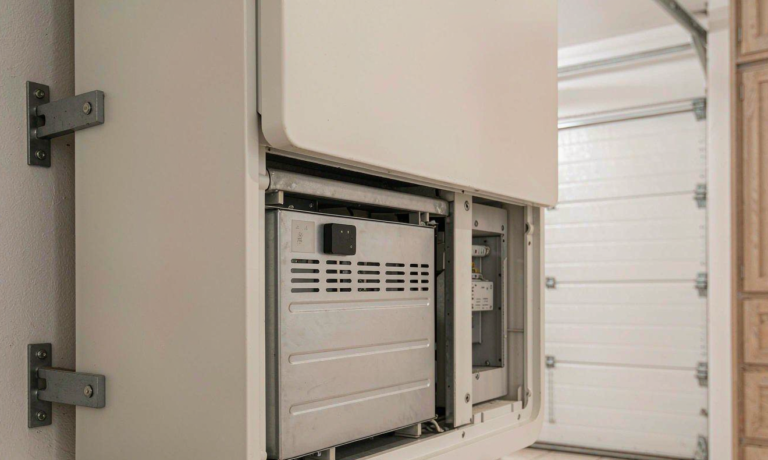
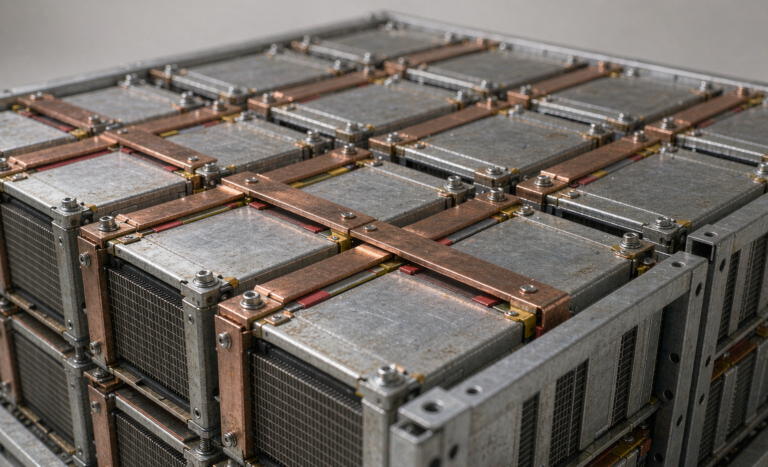
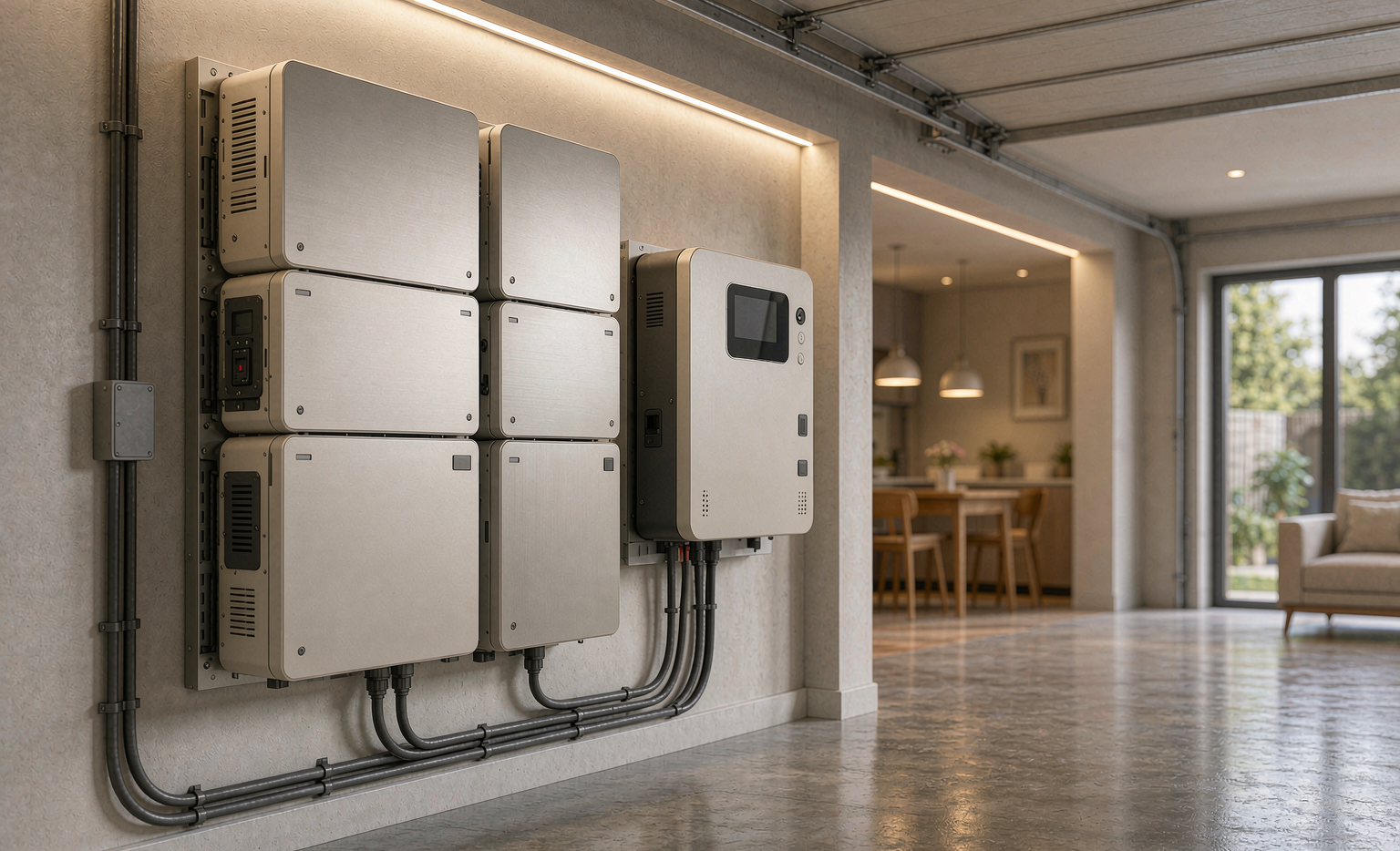
Architecture is the next lever. A single centralized battery pack is cheaper to BMS and enclosure per kWh, but it forces every home to take the same size. A modular rack — say 5 kWh building blocks — lets the developer stage capacity: base trim gets one module, premium trim gets three, and the homeowner can add a fourth later without replacing the residential battery head unit.
From a cost-optimization standpoint, modular wins for a mixed product lineup even though each module carries its own BMS overhead. The incremental margin on the upgraded trim more than pays for the modularity, and staged field expansion keeps warranty claims low because homeowners rarely overload a system they expanded themselves.
Cutting Balance-of-System Cost Through Pre-Wiring
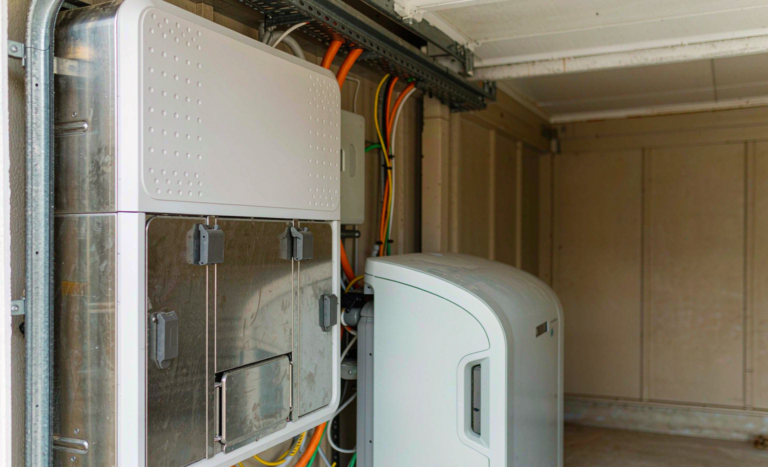
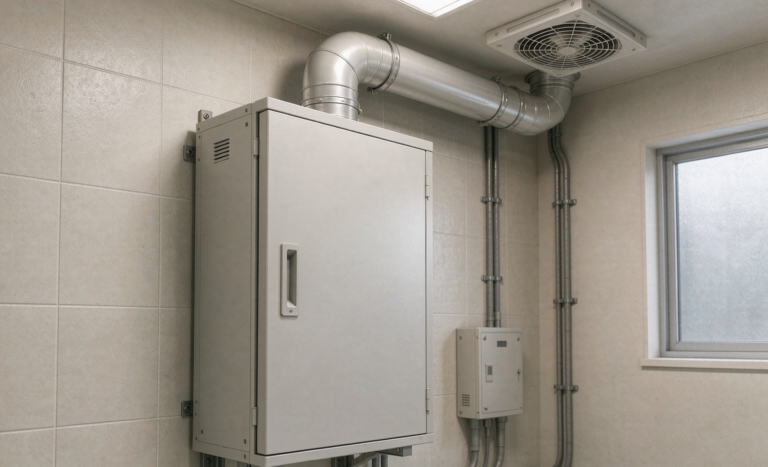
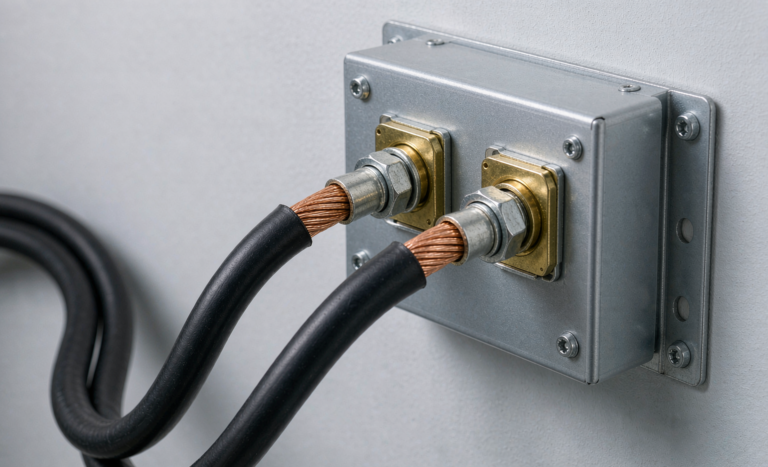
Balance of system (BOS) — conduit, disconnects, labeling, grounding, and commissioning — routinely eats 30–45% of total installed cost. In new homes, we collapse this into a pre-wired combiner assembly mounted at the electrical rough-in. A single pre-labeled disconnect and a factory-installed conduit stub save 2–4 electrician hours per home, which at union labor rates is often larger than the entire cell-cost difference between LFP and NMC.
The pre-wired assembly also de-risks inspection. Because the complete unit carries a single UL 9540 system listing rather than a field-assembled collection of components, the authority having jurisdiction signs off faster and the homeowner’s insurer applies the standard residential rate instead of a bespoke commercial surcharge.
Inverter and Power-Electronics Pairing
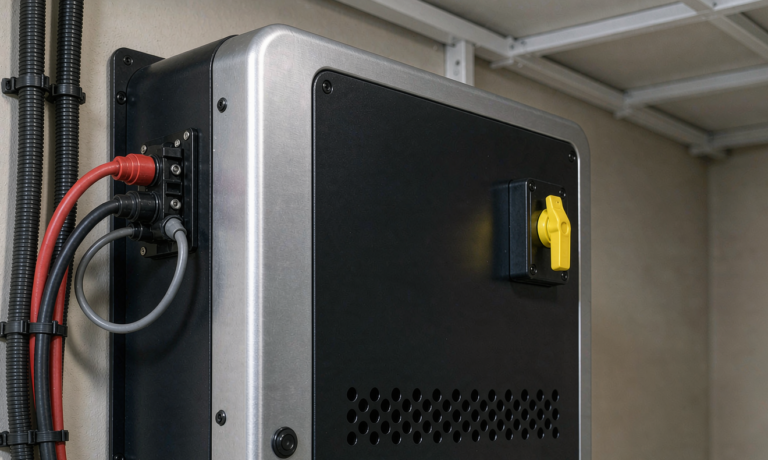
A home energy storage system is only as efficient as the conversion path between the lithium battery and the panel. We pair each deployment with a hybrid inverter sized to the continuous critical load plus a 25% headroom, and we DC-couple the array when a PV system is specified. DC coupling avoids the double conversion of AC-coupled designs and typically recovers 4–6% of annual yield — a saving that, over a 25-year horizon, dwarfs the inverter’s upfront premium.
Interconnection follows IEEE 1547-2018 anti-islanding and ride-through rules, and we configure the inverter’s frequency-watt and volt-watt response so the home qualifies for available export tariffs without a firmware revisit. The same custom battery solution discipline we apply to drone battery and drone lithium battery packs — matching cell, BMS, and converter as one validated system — pays off just as reliably on the wall of a new home.
Certifications and Compliance as a Cost Lever
Compliance is often treated as a tax. In practice, it is the cheapest insurance you can buy. A fully listed home energy storage assembly rests on a stack of standards: UL 1973 for the battery modules, UL 9540 for the complete system, UL 9540A for fire propagation testing, IEC 62619 and IEC 62133-2 for cell-level safety, UN38.3 for transport, and NEC Article 706 for the dwelling installation. Skipping any one of these invites rework, denied permits, or an insurance rider that erases your margin.
We design to the full stack from day one. The result is a residential battery that passes first-inspection, qualifies for most incentive programs, and carries a warranty the homeowner can actually use. That predictability is itself a cost optimization — the most expensive battery on the project is the one you have to pull out of a finished wall.
Putting the Levers Together
When a developer asks me to hit a target installed price, I do not start with the cell quote. I start with the load study, lock the chemistry to LFP, choose a modular battery pack architecture sized to the real critical load, pre-wire the BOS at rough-in, pair a correctly sized hybrid inverter, and certify the whole assembly once. Stack those decisions and a compliant home energy storage cost optimization new homes program lands 25–35% below a piecemeal retrofit approach — with a longer warranty and a cleaner inspection record.
Frequently Asked Questions
How much does a home energy storage system cost per kWh in 2026?
Installed, a properly specified home energy storage system in new construction runs roughly $380–$520 per usable kWh, including the lithium battery, enclosure, hybrid inverter share, and labor. Retrofits run $650–$900/kWh because BOS and permitting dominate. The new-home discount is almost entirely labor and certification amortization, not cell cost.
Is lithium iron phosphate cheaper than NMC for home storage?
Yes, on landed cost. LFP cells are $90–$110/kWh versus $120–$150/kWh for NMC, and their 6,000+ cycle life means the residential battery outlasts the warranty. For stationary home energy storage, LFP is both cheaper and safer, which is why Horizon Power standardizes on it.
Can I really save by installing during construction?
Absolutely. Pre-wiring the BOS while walls are open saves 2–4 electrician hours per home and collapses permitting into a single system listing. Across a 200-home community, that repetition alone removes 25–35% from the installed price of the home energy storage solution.
What certifications does a residential battery need?
At minimum UL 1973 (modules), UL 9540 (system), UL 9540A (fire), IEC 62619 / IEC 62133-2 (cells), UN38.3 (transport), and NEC Article 706 for the dwelling. A complete custom battery solution carries all of these as one listed assembly, which is what lets it pass first inspection.
Does a smaller battery still pay back?
For backup and self-consumption, yes. Sizing to real critical load — typically 8–10 kWh for a new home — avoids paying for unused nameplate capacity while still riding through a multi-hour outage. Oversizing the battery pack beyond the load rarely improves payback and mostly inflates cost.