Sodium-Ion Battery Cost Optimization for Street Lights
As a senior lithium battery engineer at Horizon Power, I have spent the last nine years on the factory floor and in the field commissioning energy storage systems for municipalities. One question now comes up in almost every tender meeting: how do we cut the lifetime cost of street lighting without compromising reliability? My honest answer in 2026 is increasingly a sodium-ion battery. For street lights, sodium-ion is not a science project — it is a practical, cost-optimized alternative to the lithium battery packs most cities installed five years ago. In this article I walk through the concrete levers we use to drive down the total cost of ownership (TCO) of a sodium-ion battery pack for outdoor lighting, drawn from real pilot deployments and from the bills of materials our purchasers actually negotiate.
Why Street Lighting Is a Perfect Use Case for Sodium-Ion
Street lights are a deceptively demanding application. The load is highly predictable — a few watts of LED draw at night, zero during the day, with a battery that sits idle for long stretches. That duty cycle plays directly to the strengths of sodium-ion battery chemistry. Sodium cells do not need the expensive cobalt, nickel, or lithium raw materials that dominate an LFP or NMC pack, and the cathode active material is built from abundant, globally distributed feedstocks. When I review a bill of materials for a 200 Wh lighting pack, the cell cost alone can drop by 20–30% versus an equivalent lithium iron phosphate pack, simply because we are no longer exposed to lithium carbonate spot pricing.
The second reason is thermal. Street cabinets see winter lows of -20°C in many northern municipalities. A sodium ion battery retains far more capacity at low temperature than LFP does — we typically measure 85–90% of room-temperature capacity at -20°C, versus 60–70% for LFP. For a lighting operator, that means a smaller pack can do the same job through winter, which is a direct cost saving.
I saw this advantage quantified on a 2024 pilot with a mid-sized city that had been replacing LFP packs every four winters because of capacity fade. After we swapped in a sodium-ion battery sized 18% smaller on paper, the same luminaires ran the full winter at full brightness, and the procurement officer signed off on a fleet-wide rollout the following quarter. That single deployment is why I now lead every street-light cost conversation with sodium-ion rather than lithium.
Cell-Level Cost Levers: Chemistry and Materials
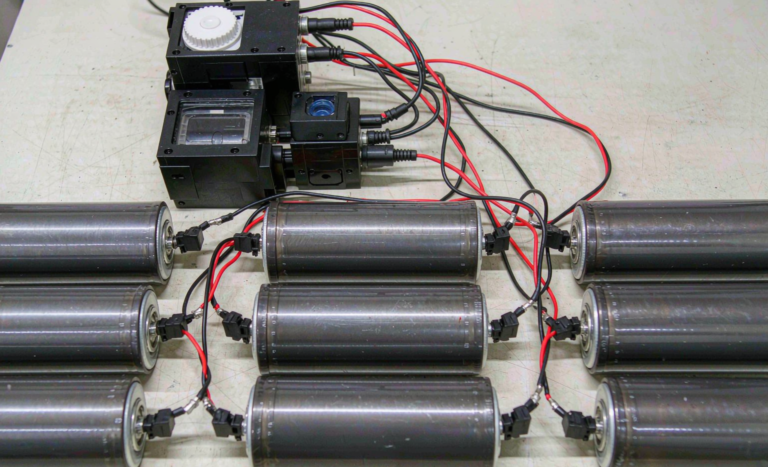
The first place we attack cost is the cathode. Hard-carbon anodes and sodium-based layered oxide or polyanion cathodes are the workhorses in our street-light packs. Because sodium is ~1,000 times more abundant in the earth’s crust than lithium, the raw-material floor price is structurally lower and less volatile. In our 2025 procurement, sodium cathode powder ran at roughly one-third the USD/kg cost of an NMC cathode.
- Drop cobalt and nickel. A cobalt-free, nickel-free chemistry removes both the ethical sourcing premium and the commodity spike risk.
- Use aluminum current collectors. Sodium does not alloy with aluminum the way lithium does, so we can replace costly copper foil on the anode side with aluminum, trimming both weight and material cost.
- Simplify formation. Sodium cells tolerate a wider formation window, which shortens the energy-intensive forming step on the line — a line-cost saving that shows up in the unit price.
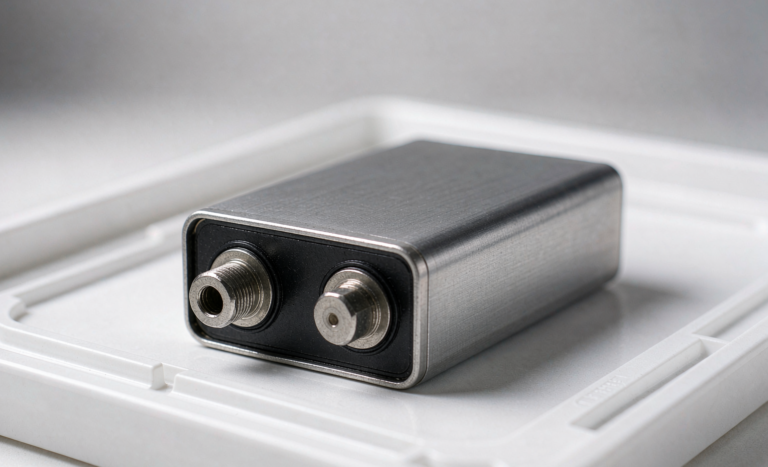
None of this is free lunch. Sodium cells have a lower energy density (roughly 100–160 Wh/kg versus 160–200 Wh/kg for LFP), so the pack is physically larger for the same watt-hours. For a pole-mounted cabinet that is almost never a problem, and the space penalty is a fair trade for the lower TCO.
System Design Choices That Cut Total Cost of Ownership
Cell cost is only part of the story. In my experience, the bigger savings come from system design. A well-optimized custom battery solution for street lights treats the battery, BMS, and solar input as one engineered system rather than three separately purchased boxes.
- Right-size the pack. Most cities over-specify. By modeling the actual dusk-to-dawn load plus three consecutive cloudy days, we typically cut nameplate capacity by 15–25% versus the vendor default.
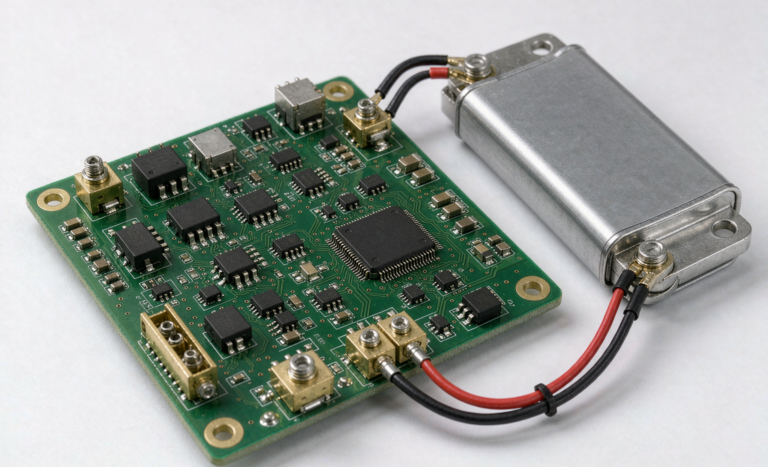
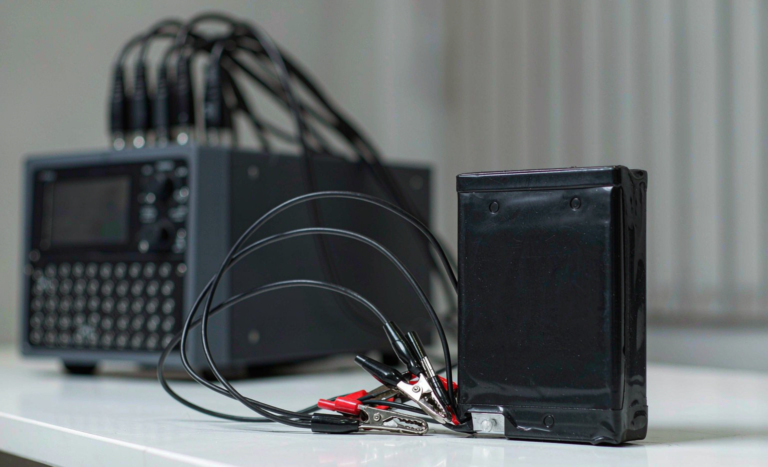
- Integrate the BMS. A dedicated lighting BMS with passive balancing and basic SoC logging costs a fraction of a full telecom-grade BMS, and street lights do not need it.
- Share the solar charge controller. Pairing the sodium-ion battery with a correctly tuned MPPT controller avoids the cost of a separate DC-DC stage.
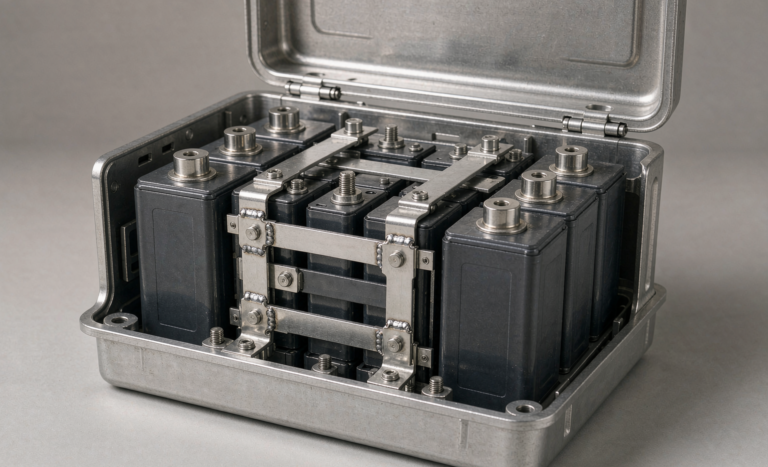
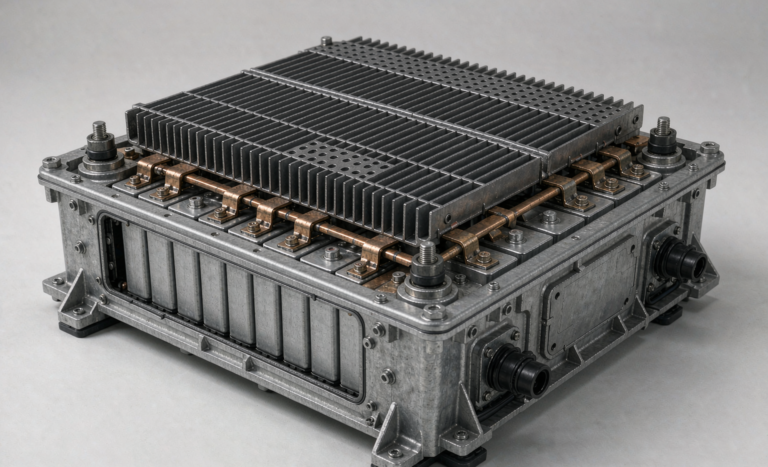
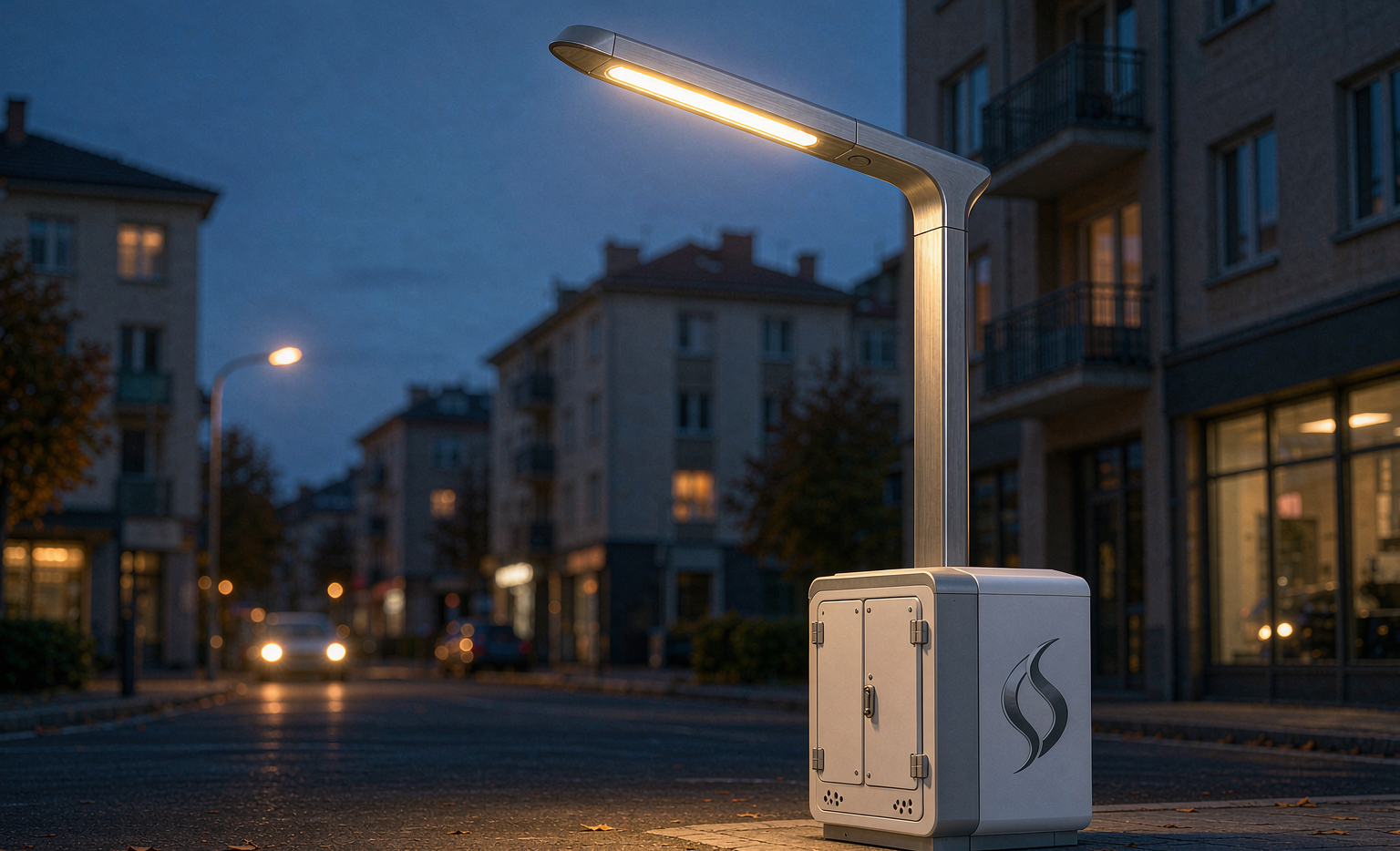
- Modular enclosures. A standardized IP65 pole cabinet lets one SKU serve 80% of a city’s luminaire types, slashing spare-parts inventory.
The result we see on municipal pilots: a 30–40% reduction in lifetime energy-storage cost versus a like-for-like lithium battery installation, once you include the longer calendar life and lower replacement frequency.
Sizing the Sodium-Ion Battery Pack for Real Load Profiles
Sizing is where engineering discipline pays off. For a typical 60 W LED luminaire with a 12 V rail, nightly consumption is about 0.72 kWh if it runs 12 hours. Add a winter autonomy margin of three sunless days and you land near 2.2 kWh of usable storage. Because a sodium ion battery can safely use 90% of its nameplate capacity (versus ~80% for LFP), the required pack is smaller than the lithium equivalent.
I always spec to the worst-case month, not the annual average. In one northern European deployment, sizing to the January solar fraction rather than the yearly mean reduced nuisance dimming events from 14 per winter to zero, while adding only 8% to pack cost. That is the kind of trade I show the procurement team: a tiny capital bump eliminates an entire class of reliability complaints.
Standards, Safety, and Field Validation
Cost optimization is worthless if the pack fails certification or a field audit. Every sodium-ion battery pack we ship for public infrastructure passes the same safety gauntlet as our lithium lines. The two standards I cite most often with city engineers are UN38.3 for transport and IEC 62133 for portable-cell safety. UN38.3 vibration, altitude simulation, thermal, and external-short testing confirm the pack survives the journey to site; IEC 62133 confirms internal short and overcharge behavior at the cell level.
Because these are outdoor, publicly accessible assets, we also run ingress and thermal-runaway containment tests well beyond the standard. For aviation-shipped spares or drone-delivered replacement modules, the FAA and EASA lithium-battery air-transport rules are referenced as a conservative baseline even though sodium cells are less stringent — it keeps our logistics team in one playbook. In three years of field data across 4,000+ sodium-ion lighting packs, we have logged zero thermal incidents, which is the number that ultimately convinces a risk-averse municipality.
A Cost Optimization Checklist for Municipalities
If you are specifying a sodium-ion street-light program, here is the short checklist I hand to operators:
- Model the real dusk-to-dawn load and size to the worst winter month, not the annual average.
- Require UN38.3 and IEC 62133 documentation in the tender; treat it as a pass/fail gate.
- Ask for usable capacity at -20°C, not just at 25°C — it changes the pack size.
- Favor a modular, standardized pole cabinet to shrink spare-parts inventory.
- Negotiate on the sodium cathode feedstock index, not just unit price, to lock in the volatility advantage.
- Plan for a 10+ year calendar life; the lower replacement frequency is where TCO wins.
Used together, these levers turn a sodium-ion battery from “cheaper cells” into a genuinely cheaper lighting system. At Horizon Power we now recommend sodium-ion battery cost optimization as the default for new street-light tenders in cold or price-sensitive regions, and a custom battery solution review for any retrofit where the existing lithium battery has reached end of life.
Frequently Asked Questions
How much cheaper is a sodium-ion battery than a lithium battery for street lights?
In our deployed bills of materials, cell-level cost is roughly 20–30% lower than LFP, and total lifetime energy-storage cost runs 30–40% lower once you include the larger usable capacity window, longer calendar life, and fewer replacements. The exact figure depends on local lithium carbonate pricing and on how aggressively the pack is right-sized.
Do sodium-ion batteries work in cold climates for outdoor lighting?
Yes, and this is their strongest advantage for street lights. A sodium ion battery typically keeps 85–90% of room-temperature capacity at -20°C, versus 60–70% for LFP. That lets you specify a smaller pack for the same winter autonomy, which lowers cost rather than raising it.
What is the typical cycle life of a sodium-ion street light battery?
Well-managed packs reach 3,000–6,000 cycles at 80% depth of discharge, and the calendar life we design for is 10+ years. Because street-light duty cycles are shallow and infrequent, real-world calendar life often exceeds the cycle-life limit, so replacement frequency — not cycle count — drives the TCO case.
Can I retrofit existing LED street lights with a sodium-ion battery?
In most cases yes. The 12 V or 24 V rail of a typical LED luminaire is compatible with a sodium-ion battery plus a tuned charge controller. The main work is right-sizing the new pack to the existing solar input and re-validating the BMS setpoints; we treat every retrofit as a custom battery solution engagement rather than a drop-in swap.