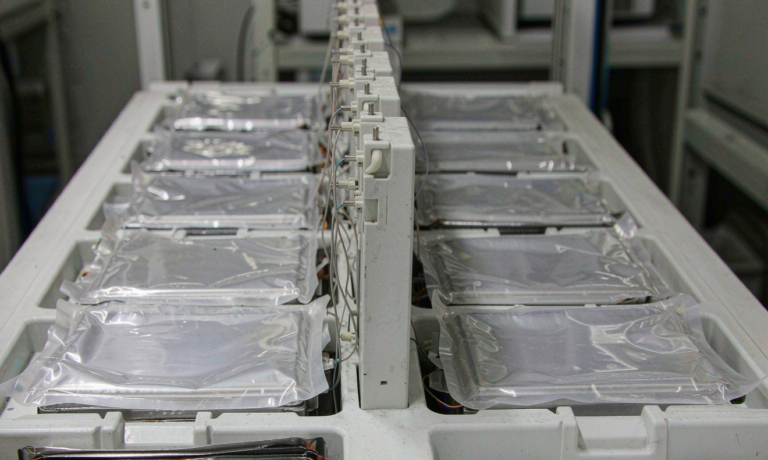
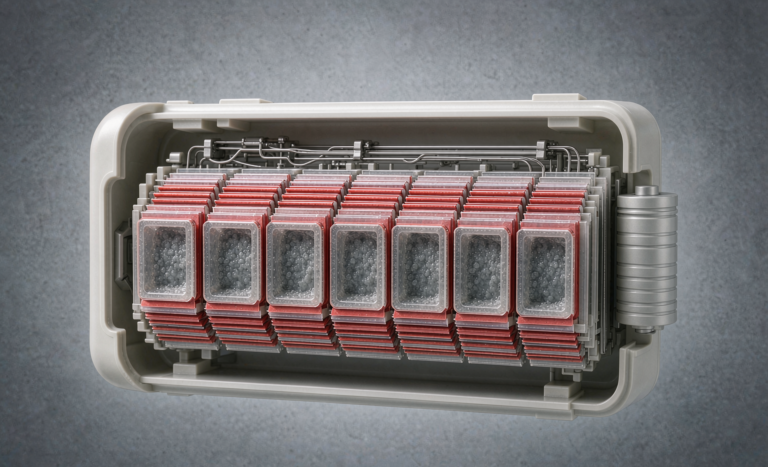
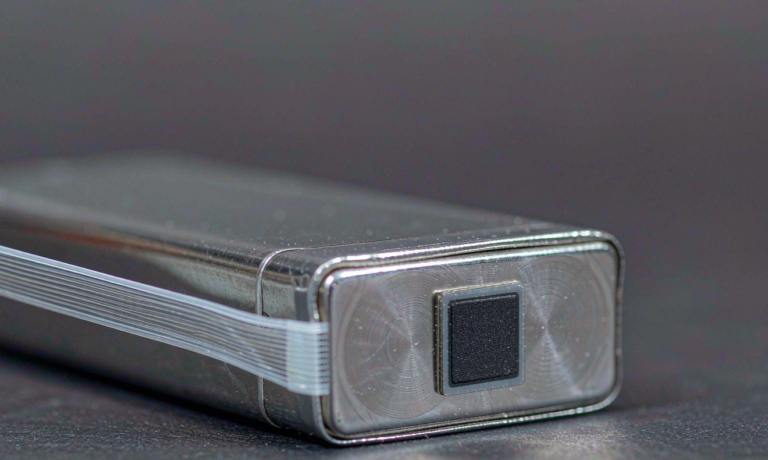
Semi-Solid State Battery Sulfide Electrolyte Handling Safety
When I first moved from liquid lithium-ion lines to a sulfide-based semi-solid state battery pilot line, the biggest adjustment was not the electrochemistry. It was the air. A sulfide solid electrolyte such as Li6PS5Cl (argyrodite) or Li10GeP2S12 (LGPS) breathes water like a sponge and answers with a toxic, flammable gas. If you treat it like a normal cathode powder, you will have a hydrogen sulfide event on your hands. This article walks through the handling safety discipline I use on the Horizon Power pilot line, from dry-room dew point to glovebox transfer and emergency response.
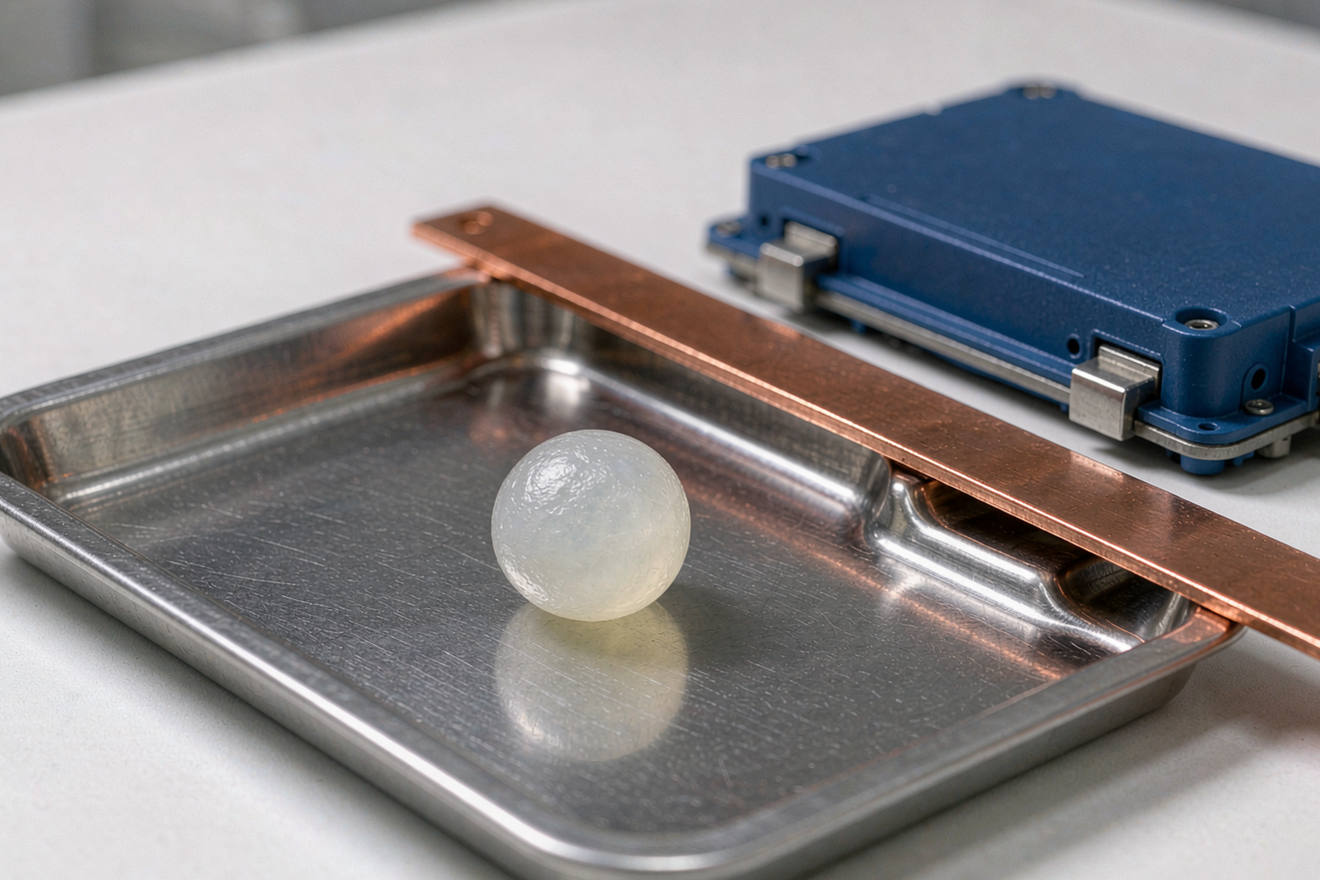
Why Sulfide Electrolytes Demand a Different Safety Playbook
Sulfide electrolytes offer ionic conductivity up to about 12 millisiemens per centimeter, which rivals liquid electrolytes and explains their appeal for a high-rate solid-state battery. But they are the most moisture-sensitive family of solid electrolytes on the table. Oxides such as LLZO and polymers such as PEO tolerate far more ambient humidity; sulfides do not. The promise of a non-flammable ceramic separator with liquid-like conductivity is real, but only if the electrolyte never meets atmospheric water. That single constraint drives every layout, PPE, and procedure decision downstream, and it is why a sulfide line is run closer to a semiconductor fab than to a conventional battery plant.
In my experience the teams that struggle are the ones that treat the electrolyte as just another powder. Once you accept that the air itself is the hazard, the engineering becomes predictable. You control the environment, you control the container, and you control the clock so the material is never exposed longer than the process demands.
The Core Hazard: Hydrolysis and Hydrogen Sulfide Release
The reaction is straightforward and unforgiving. The phosphorus-sulfur bonds in the sulfide lattice hydrolyze on contact with water vapor, releasing hydrogen sulfide, or H2S. Even at trace humidity the powder surface degrades, forming hydroxides and phosphates while off-gassing the gas. H2S is toxic at low concentration, flammable above roughly 4 percent in air, and dangerous because it deadens the sense of smell at higher doses, so workers cannot rely on odor as a warning. On our line we treat any measurable H2S as a stop-work condition, not a nuisance alarm.
The chemistry also feeds on itself. A humid exposure raises surface pH and accelerates further hydrolysis, so a small leak left unaddressed becomes a larger one. That is why detection, isolation, and rapid inert-gas purge are built into the standard operating procedure rather than added after an incident. I have watched a single unsealed jar raise the glovebox moisture reading from under 1 ppm to double digits in minutes, and the off-gassing followed right behind it.
Dry-Room and Glovebox Specification I Run By
Bulk handling happens in a dry room held below 1 percent relative humidity, typically a dew point near minus 50 degrees C. For powder weighing, mixing, and pellet pressing I work inside an argon glovebox with oxygen and moisture each held under 1 part per million. We validate the glovebox with a water-vapor sensor before every shift and log the dew point so we have a trend line, not just a snapshot. Argon is purged through a catalyst and molecular sieve train to strip residual O2 and H2O before it reaches the box.
The semi-solid state battery cathode slurry still uses an NMP-based solvent rather than a water-based binder, because the electrolyte will not survive a water wash. We keep a separate balance and mixer inside the box so the sulfide never leaves the inert envelope until it is pressed and sealed. When we move material between boxes we use a transfer chamber with a pump-and-purge cycle, and I refuse a transfer if the purge count or the final moisture reading is off spec.
Personal Protective Equipment and Gas Monitoring
Inside the dry room, operators wear butyl rubber gloves over the glovebox gauntlets, a fitted respirator with an acid-gas cartridge, and sealed eye protection. Butyl is the material of choice because it resists permeation by acidic gases better than many common glove polymers. We mount fixed H2S detectors at breathing height and require a portable detector on the belt, because a local pocket of gas can form before the room sensor responds.
Ventilation runs at a designed air change rate so any leak is diluted below the exposure limit, and every entry point has an H2S alarm linked to the building management system. We drill evacuation monthly and I keep the toxic gas IDLH value posted at the door. The rule is simple: if the portable detector alarms, you leave first and diagnose later. No sample, no pellet, and no schedule is worth a breath of H2S.
Processing, Storage, and Emergency Response
Powder is transferred in sealed stainless steel jars and never opened outside the glovebox. We pre-dry the active materials and conductive carbon at about 120 degrees C under vacuum before they enter the box, because trapped moisture in a neighbor powder will find the sulfide just as surely as ambient air will. Finished pellets are sealed in moisture-barrier pouches with oxygen absorbers for storage, and we date every pouch so the oldest material is used first.
Spent sulfide waste goes into a dedicated hazardous-waste drum under inert gas, never down a drain and never into the general trash. If a release occurs, we evacuate, ventilate from outside the room, and only re-enter with supplied-air respiration after a clear gas reading from a calibrated instrument. I keep a written emergency sequence taped to the glovebox, because in a real event nobody should be reading a manual for the first time.
How Sulfide Handling Differs From Oxide and Polymer Routes
Oxide electrolytes such as garnet (LLZO) are stable in ambient air but brittle, so their hazard is mechanical cracking and ceramic dust rather than off-gassing. Polymer electrolytes (PEO-based) are the gentlest to handle and can even tolerate low-humidity rooms, but their conductivity is an order of magnitude lower, which limits rate performance. Sulfide sits at the opposite corner: best ionic conductivity, worst moisture tolerance. The practical lesson is that a sulfide line needs the air discipline of a chip fab, while an oxide line needs more of a ceramics lab.
This is also why we couple sulfide chemistry with a strong enclosure and thermal strategy downstream. A solid-state battery built on a moisture-compromised electrolyte will show high interface resistance and early fade, so the handling safety is not only a worker-protection issue but a product-quality issue. Spend the discipline up front and the cells reward you with stable impedance; cut the corner and the data tells on you within a few cycles.
Frequently Asked Questions
Why does a sulfide solid electrolyte release hydrogen sulfide?
The phosphorus-sulfur bonds in the lattice hydrolyze when they meet water vapor, breaking down into hydroxides, phosphates, and hydrogen sulfide gas. Even small amounts of humidity trigger the reaction, which is why sulfide electrolytes are handled only in dry, inert environments.
What dew point should a sulfide electrolyte dry room target?
I run the bulk dry room below 1 percent relative humidity with a dew point near minus 50 degrees C, and I do fine powder work inside an argon glovebox held under 1 ppm oxygen and moisture. The exact number matters less than proving it with a logged sensor before every shift.
Can sulfide electrolytes be handled in normal air for short periods?
No. The hydrolysis begins at trace humidity, so even a brief exposure degrades the surface and releases gas. Any transfer outside the inert envelope should be treated as a controlled failure and resolved with purge and monitoring, not as a routine step.
Which personal protective equipment is required for H2S?
At minimum, butyl gloves, a fitted respirator with an acid-gas cartridge, sealed eye protection, and a personal H2S detector. Fixed room detectors and engineered ventilation back this up, and supplied-air respiration is required for any re-entry after a release.
How do sulfide and oxide solid electrolytes compare on safety?
Oxides are air-stable but brittle and generate ceramic dust, while sulfides offer the highest conductivity but demand strict moisture control because they off-gas H2S. Polymers are the easiest to handle but conduct an order of magnitude worse, so the choice is a trade between performance and handling burden.
What should I do if sulfide electrolyte is accidentally exposed to water?
Evacuate the area, ventilate from outside, and do not re-enter until a calibrated gas reading is clear. Never flush the material into a drain; collect it under inert gas into a dedicated hazardous-waste container and follow your site’s toxic-gas emergency procedure.
Further Reading
References