Semi-Solid State Battery Cell Grading and Binning
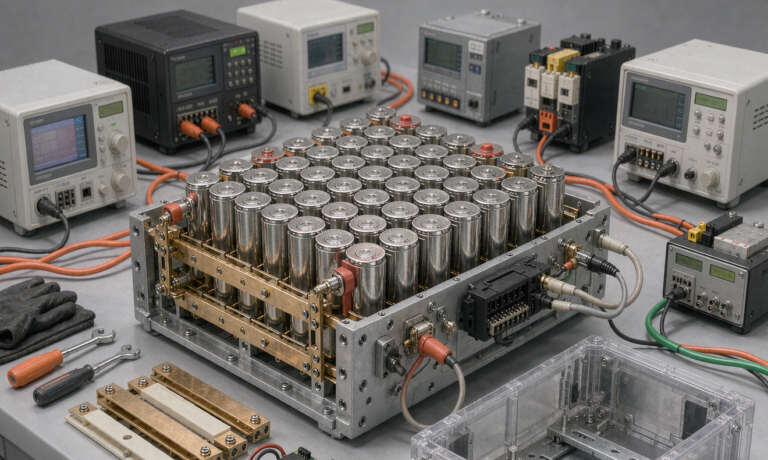
Most pack failures I have investigated on the bench were not caused by a bad cell chemistry. They were caused by good cells that were simply not alike. When you build a semi-solid state battery pack from cells that drift apart in capacity, resistance, or self-discharge, the weakest member sets the limit for the whole string. After fifteen years of building lithium battery systems for industrial and aerial customers, I treat cell grading and binning as the single most underestimated step in pack manufacturing. It is quiet, unglamorous work, but it decides whether a pack lasts 800 cycles or 2,000. The cells that look identical on paper are rarely identical in behavior, and the gap between paper and bench is exactly where packs live or die.
What Cell Grading and Binning Actually Mean
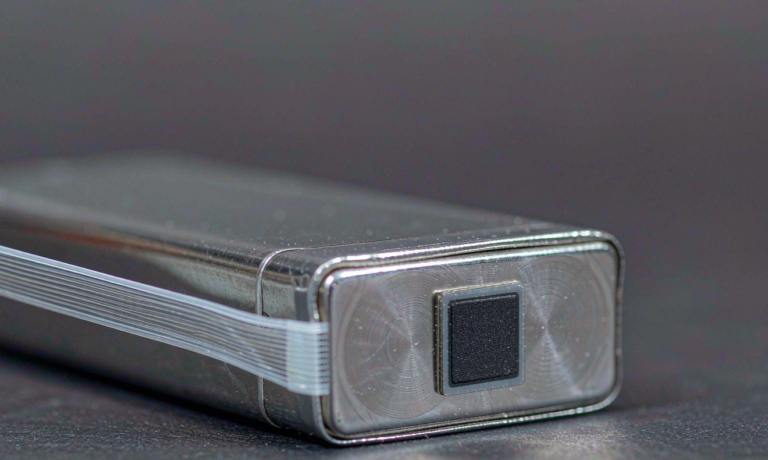
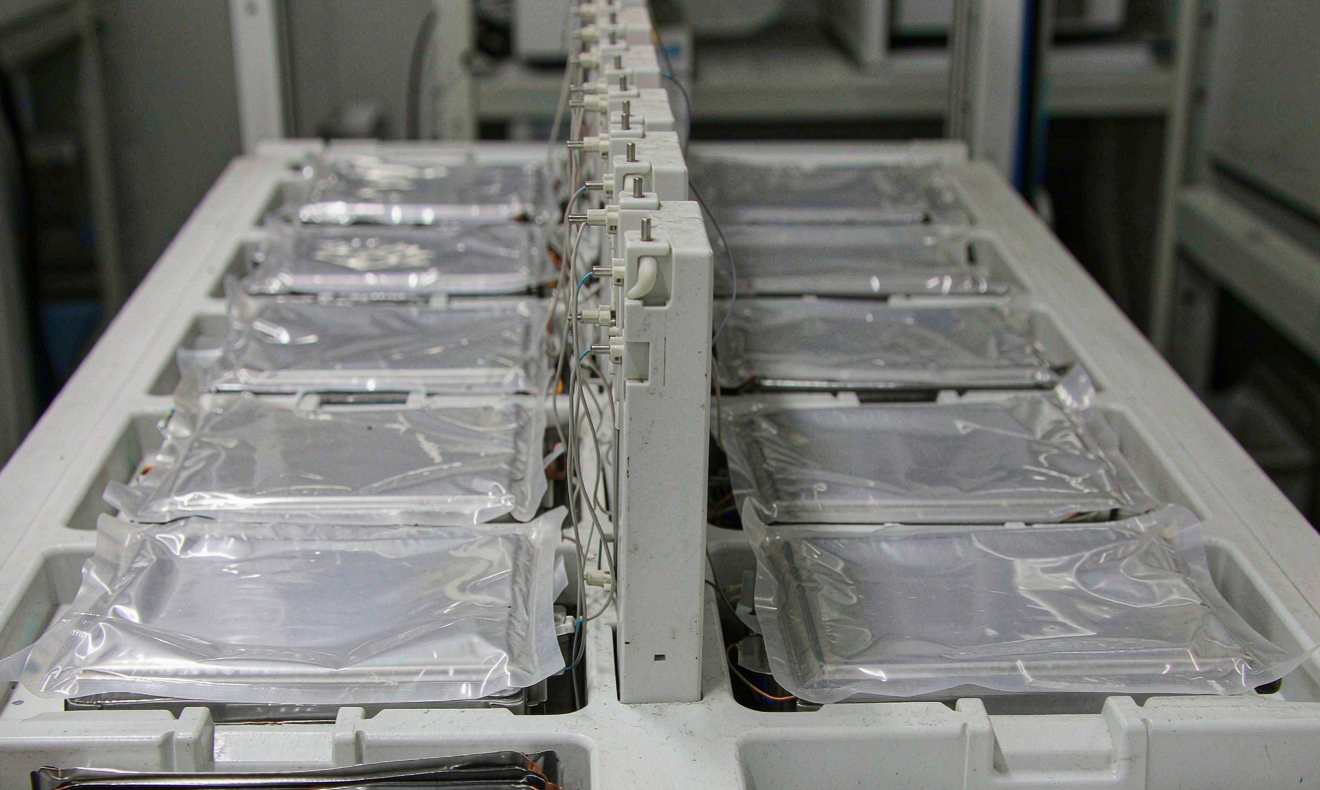
Grading is the process of measuring every finished cell against the same set of electrical parameters and recording the result. Binning is the act of grouping cells whose measured values fall inside the same window so they can be assembled together. A semi-solid state battery cell that leaves formation at 5.2 ampere-hours is not the same product as one that leaves at 5.05 ampere-hours, even when both carry the same label.
In our line the graded parameters are capacity, direct-current internal resistance, alternating-current impedance at 1 kilohertz, open-circuit voltage after rest, and self-discharge rate over a fixed storage window. Each cell gets a digital record before it ever enters a module. That record is what lets a custom battery solution stay consistent across a 200-pack order, not just within a single prototype.
Capacity Binning After Formation
Capacity is the first and tightest gate. After formation cycling in a dry room held below minus 40 degrees Celsius dew point, we discharge each cell at 0.2C to 0.5C and log the delivered ampere-hours. For semi-solid state cells we sort into capacity bins of plus or minus 1 percent of nominal. A nominal 5.0 ampere-hour cell therefore lands in the 4.95 to 5.05 ampere-hour bin, and only cells from that bin are welded into the same module.
The reason is simple math. In a series string, the lowest-capacity cell hits end-of-discharge first and forces the battery management system to cut off. If the spread is 2 percent, you permanently throw away 2 percent of usable energy. Tighten the bin to 1 percent and that loss drops roughly in half. For a long-endurance drone battery, that half percent often means the difference between clearing a mission and landing short.
Capacity is temperature sensitive, so all grading is done inside a temperature-controlled chamber held at 25 degrees Celsius plus or minus 2 degrees. A cell measured at 30 degrees Celsius will read higher than the same cell at 20 degrees Celsius, and sloppy temperature control creates phantom bins that do not exist.
Internal Resistance and Impedance Sorting
Capacity tells you how much energy a cell holds. Internal resistance tells you how much of that energy survives as heat during a hard pull. We measure direct-current resistance with a short pulse, and we measure alternating-current impedance at 1 kilohertz to separate ohmic loss from charge-transfer loss at the interface.
For semi-solid state batteries the interface between the semisolid electrode and the electrolyte is the part that still surprises engineers, so impedance spread matters more than it does for mature liquid lithium battery cells. We bin cells into a resistance window of roughly plus or minus 5 milliohms around the lot mean. A pack built from a tight resistance bin balances its thermal load, and no single cell becomes the hot spot that ages the string early.
In one agricultural drone program we found that tightening the resistance bin from plus or minus 15 milliohms to plus or minus 5 milliohms cut peak pack temperature by about 4 degrees Celsius under a 3C climb. That single change extended calendar life more than any chemistry tweak we tried that quarter.
Open-Circuit Voltage and Self-Discharge Matching
After a full charge and a 24-hour rest at 25 degrees Celsius, every cell is read for open-circuit voltage. We match cells to within plus or minus 5 millivolts. Cells that sit far apart in open-circuit voltage will fight each other the moment they are connected, and the balancing current that should be a rare event becomes a constant drain.
Self-discharge is the silent killer. We store sampled cells for a defined window and measure voltage drop. Acceptable self-discharge is below about 3 percent of state of charge per month. A cell that bleeds faster than that is a future unbalanced module, and it gets pulled before it can hide inside a pack. This step is boring, but it is the reason a semi-solid state battery we shipped two years ago still balances within specification today.
How Grading Shapes the Semi-Solid Pack Build
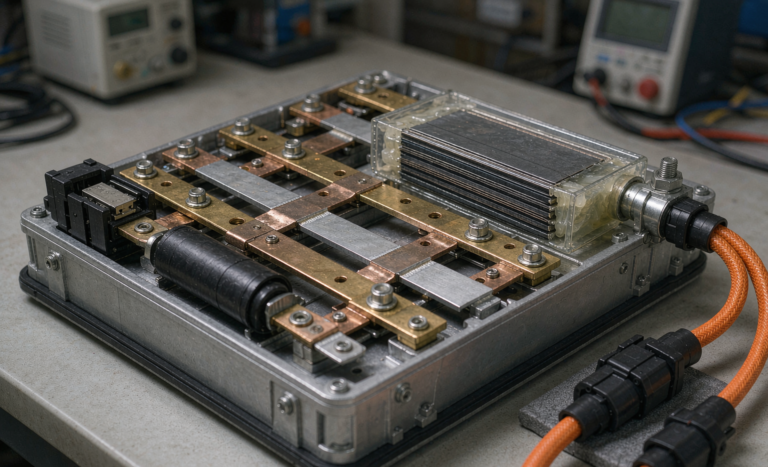
Grading is not separate from pack design. It feeds it. Once a bin is defined, the module layout is built around that bin’s measured mean, not around a datasheet number. Our pack team receives the graded mean capacity and resistance for each bin and sets the battery management system thresholds to match, so the protection logic tracks the real cells rather than a printed promise.
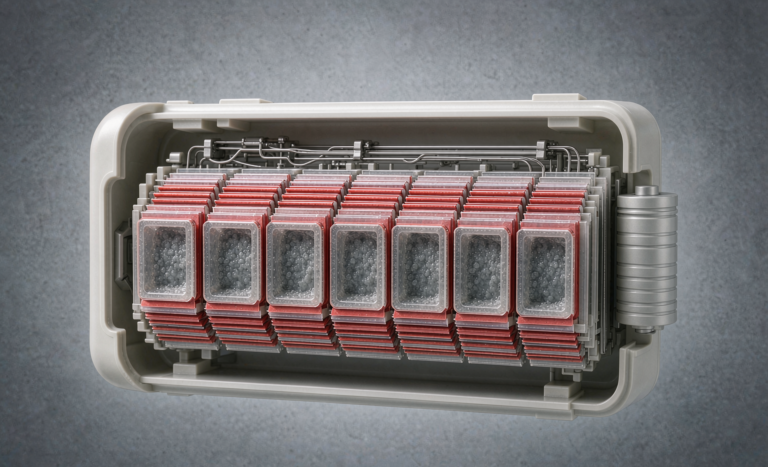
For semi-solid state batteries the higher energy density means fewer cells are needed for the same pack energy, which actually raises the cost of a mismatch. With fewer cells in series, each cell carries more of the pack’s fate. That is why we grade harder, not softer, as energy density climbs. A custom battery solution that skips this discipline will pass incoming test and fail at month six in the field.
We also keep graded cells in their bins physically. The warehouse stores by bin code, the line kitting pulls by bin code, and the module traveler records which bin went into which serial number. If a field unit shows a fault, we can trace it back to the exact graded population in minutes.
Binning Data, Traceability, and the Cost of Getting It Wrong
Every graded value is written to a manufacturing execution system with the cell serial, the test timestamp, the chamber ID, and the operator. This is not paperwork. It is the evidence a customer needs when a cell supplier changes a batch and the lot mean drifts. Traceability turns a mysterious pack failure into a one-line root cause.
The cost of skipping grading shows up as warranty claims, not as a line item you can see on the day you ship. A pack built from unbinned cells may look fine at 100 cycles and collapse at 600 because the weak cell walked away from the group. I have watched that pattern end contracts. The grading step adds perhaps 3 to 5 percent to cell cost, and it returns that many times over in avoided returns and retained accounts. When a customer asks why two seemingly equal packs cost differently, the honest answer is often that one was graded and the other was not, and only the field will prove which was the better buy.
For transport and industrial use the same discipline supports compliance. Cells we grade and bin are documented against UN38.3 and built into packs that reference IEC 62619 for industrial duty and UL 1973 for stationary storage, so the grading record doubles as part of the safety file.
Frequently Asked Questions
Why does cell grading matter more for semi-solid state batteries than for standard lithium-ion?
Semi-solid state batteries pack more energy into fewer cells, so each cell carries more of the pack’s outcome. A small mismatch that is invisible in a large liquid lithium battery string becomes a real weak point when the series count drops, which is why we hold tighter bins as energy density rises.
What capacity tolerance do you use when binning semi-solid state cells?
We sort into capacity bins of plus or minus 1 percent of nominal, measured at 0.2C to 0.5C inside a 25 degrees Celsius plus or minus 2 degrees chamber. Tighter bins reduce the usable-energy loss that the weakest cell forces on the whole series string.
How is internal resistance measured during grading?
We use a short direct-current pulse for ohmic resistance and a 1 kilohertz alternating-current impedance reading to separate interface loss from pure resistance, then bin cells within about plus or minus 5 milliohms of the lot mean to keep pack heating even.
Can cells from different bins be mixed in one pack?
No. Mixing bins defeats the purpose of grading. Every module is built from a single bin so capacity, resistance, and self-discharge stay matched, and the battery management system is set to the measured bin mean rather than a generic datasheet value.
Does cell grading add cost to the final battery?
It adds roughly 3 to 5 percent to cell cost through extra test time and yield loss, but it prevents far larger warranty and return costs later. In our experience the grading step pays for itself well before a pack reaches its rated cycle life.
Which standards govern cell grading and binning for transport and industry use?
We document graded cells against UN38.3 for transport safety and build packs to IEC 62619 for industrial applications and UL 1973 for stationary storage, so the grading record becomes part of the broader compliance file rather than a standalone test.
Further Reading
References