Semi-Solid State Battery for Smart Locks and Access Control
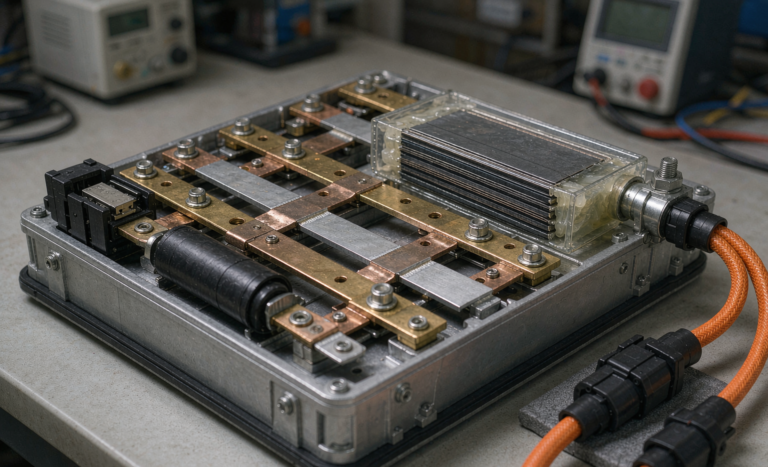
Most smart locks still ship with commodity cylindrical cells that were never designed for a door. At Horizon Power I have tested dozens of access-control battery packs on the bench, and the failure modes are almost always the same: slow self-discharge that kills the lock between battery changes, a hard voltage sag when the motor meets a stiff deadbolt, and electrolyte leakage that ruins the electronics after a hot summer. A semi-solid state battery changes that load profile in ways a procurement engineer should understand before specifying the next generation of locks.
Why Smart Locks Need a Different Battery Chemistry
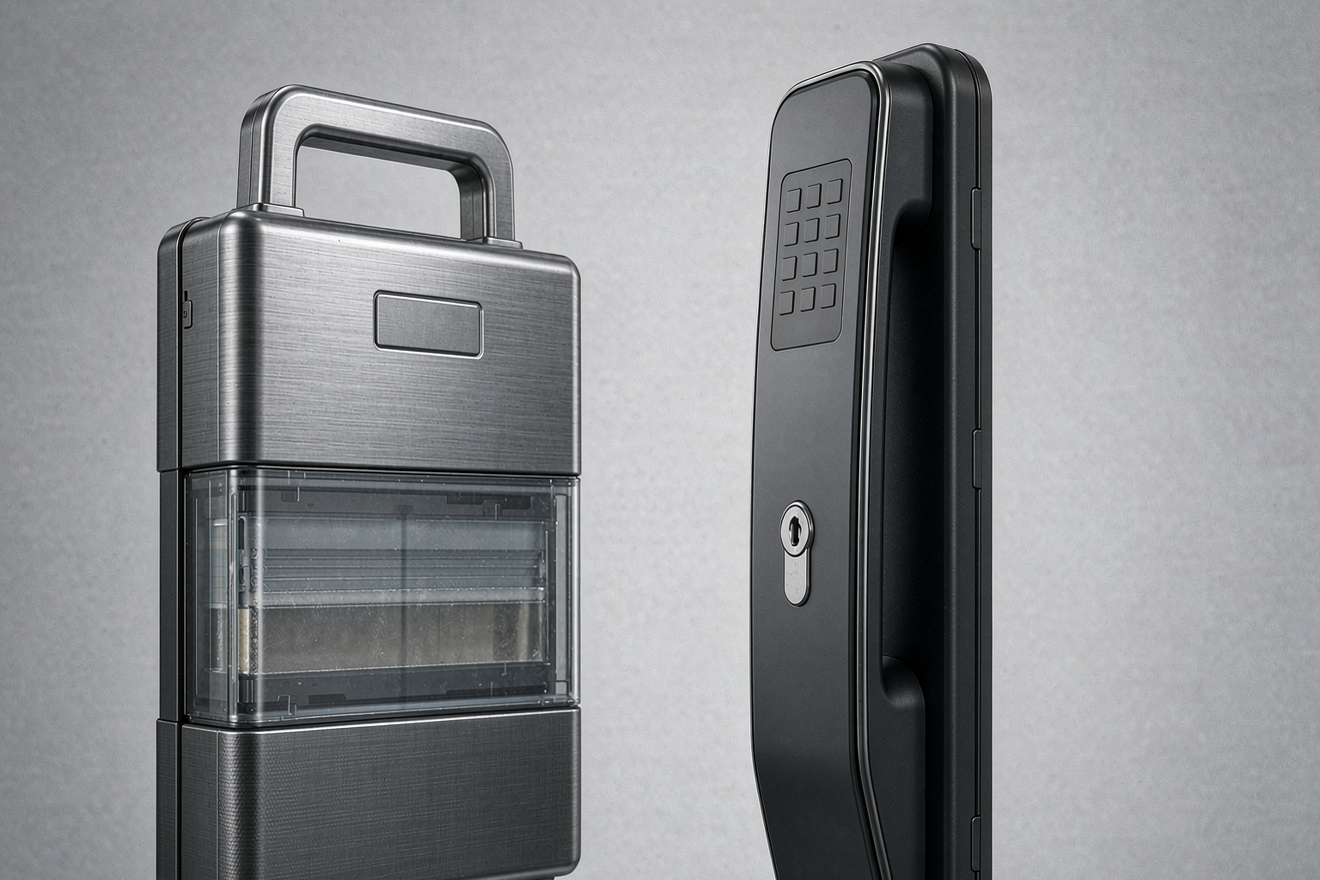
A smart lock is not a phone and it is not a drone. The dominant load is not continuous discharge but a long, quiet standby punctuated by short, violent pulses. A typical deadbolt motor draws 1.5 to 3.0 amperes for 300 to 800 milliseconds every time the bolt throws. Between those events the lock sits at 20 to 80 microamperes, running a Bluetooth or Zigbee radio, a touch keypad, and sometimes a fingerprint sensor. That combination, long idle plus sharp pulse, is exactly where conventional liquid-electrolyte lithium cells struggle.
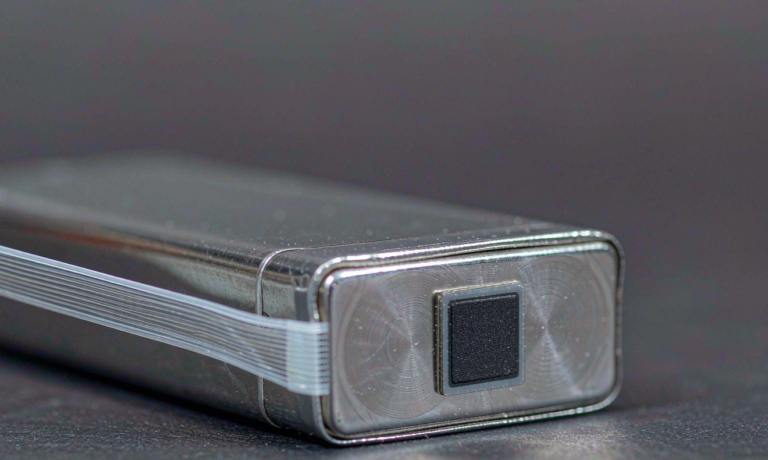
The chemistry question is really a leakage and sag question. A semi-solid state battery uses a viscous, partially gelled electrolyte instead of a free-flowing liquid, which raises ionic stability while removing the mobile solvent that leaks when a pouch is punctured or aged. For a device mounted on a metal door that sees daily thermal cycling, that difference is the gap between a five-year silent service life and a corroded control board. Horizon Power builds these packs as custom battery solution assemblies rated for the specific pulse and standby mix of each lock platform, so the cell is matched to the lock rather than the lock being forced to fit a generic cell.
Standby Drain and Pulse Discharge: The Real Load Profile
Specifying the cell starts with measuring the real current, not the nameplate. I ask customers for a current trace over 24 hours: radio beacon interval, motor inrush, and the small bridge cell or capacitor that carries the pulse. A well-designed semi-solid state battery for smart locks holds a 3.0 to 4.35 volt window with a pulse capability of at least 5C for half a second, which keeps the pack voltage above the lock controller’s brownout threshold of about 2.8 volts even at the end of life.
Capacity is usually 2000 to 5000 milliampere-hours for a single-door lock, and 4000 to 8000 for a mortise or swing-door unit with a heavier actuator. The number that matters more than capacity is equivalent series resistance. Lower resistance means less sag, which means the motor reaches full throw on a colder morning without the controller reporting a false low-battery fault. We validate every pack on a programmable load that replays the customer’s captured trace for 2000 cycles before release, because a datasheet number measured on a perfect bench tells you almost nothing about a real door.
Safety and Leakage: Why Semi-Solid Electrolyte Matters at the Door
A door is a harsh, unsupervised environment. Locks are installed by third parties, sit in direct sun, and are rarely inspected. A leaking liquid-electrolyte cell can wick along a flex cable and destroy a board that costs more than the battery. The gelled electrolyte in a semi-solid state battery removes the free solvent, so even a punctured pouch weeps instead of flooding. That is the property I care about most for residential and multi-family deployments where a service call is expensive and a failure is visible to the resident.
Safety certification is non-negotiable. Every pack we ship passes UN38.3 transportation testing and is built to IEC 62133 for portable cells. For locks sold into the European market we map the cell and pack dossiers to the relevant RED and Low Voltage directives, and for North America we prepare the documentation buyers need for FCC and UL alignment. A lithium battery at the entry point of a home should never be the weakest link in the building’s safety case, and a gelled electrolyte is a meaningful step toward that goal.
Temperature Range and Outdoor Installations
Access control is increasingly outdoors: gate locks, perimeter doors, and remote cabinets. The pack must survive minus 20 to plus 60 degrees Celsius at the device, not just in a lab. Liquid-electrolyte cells lose available capacity fast below zero, and a lock that works in a heated lobby may fail on a cold gate where the motor meets ice-loaded hardware.
A semi-solid state battery tolerates a wider practical window because the gelled electrolyte stays ionically conductive at lower temperatures and resists the drying and venting that heat causes in liquid cells. We still recommend a thermally aware BMS that reports temperature to the lock so firmware can throttle motor speed on a cold start rather than pulling a current the pack cannot deliver. For coastal or high-humidity sites we specify IP54 or better pack enclosures and gold-plated connectors to keep the contact resistance stable across the years of service.
Cycle Life and the Total Cost of Ownership
A smart lock battery is replaced by a resident or a technician, and that labor cost dwarfs the cell cost. A pack that lasts 18 months instead of 9 months roughly halves the lifetime service cost of the lock. Cycle life for a semi-solid state battery in this duty is typically 800 to 1500 full-equivalent cycles, but the real limiter is calendar aging from heat, not cycle count, because most locks are replaced before they are cycled out.
When Horizon Power quotes a custom battery solution we model the duty: how many throws per day, the standby radio duty, and the average ambient. That model, not a generic datasheet number, predicts when the lock will first report low battery. Buyers who specify on price per cell alone usually pay more over the install because of truck rolls. The honest engineering answer is to optimize for the interval between service calls, which is the number the finance team actually feels.
What Buyers Should Ask a Battery Manufacturer
Before you sign, ask for four things. First, the 24-hour current trace validation report, not just a capacity number. Second, the puncture and crush behavior of the actual pouch, since leakage at the door is the dominant field failure. Third, the certification dossier: UN38.3, IEC 62133, and the regional marks your market requires. Fourth, the equivalent series resistance across temperature, because that predicts cold-morning reliability far better than capacity does.
A credible lithium battery partner will also show you the traceability system: cell lot codes, the formation data for your pack, and a change-control process so a future cell revision does not silently shift your lock’s behavior. Horizon Power runs lot-level traceability on every semi-solid state battery we build for access control, because a silent chemistry change is the fastest way to turn a stable product into a support nightmare that shows up only after thousands of units are in the field.
Frequently Asked Questions
What is a semi-solid state battery and how is it different from a normal lithium battery?
A semi-solid state battery replaces the free liquid electrolyte of a conventional lithium cell with a thickened, gel-like electrolyte. The active materials are similar, but the gelled electrolyte is far less likely to leak, and it stays conductive across a wider temperature window. That makes it a strong fit for unsupervised devices like a smart lock where a single leak can disable the whole unit and trigger a service call.
How long does a semi-solid state battery last in a smart lock?
Service life is set more by calendar aging and heat than by cycle count. In typical residential duty, with one or two bolt throws per day, a properly sized pack delivers 12 to 24 months before the lock reports low battery. Outdoor and hot installations trend shorter, which is why we model the real duty instead of quoting a single number that looks good on a spec sheet.
Can a semi-solid state battery handle the motor pulse of a deadbolt?
Yes. The pack is specified for a pulse of at least 5C for half a second, which keeps voltage above the controller brownout threshold even at end of life. The key parameter is equivalent series resistance; a low-resistance pack prevents the voltage sag that triggers false low-battery faults on cold mornings when the motor faces the most mechanical resistance.
Is a semi-solid state battery safe inside a home entry door?
It is safer than a liquid-electrolyte cell in this position because the gelled electrolyte does not flood the electronics if punctured. Every pack we ship is tested to UN38.3 and built to IEC 62133, and we prepare the regional certification dossiers buyers need for residential and multi-family deployments where safety documentation is reviewed during procurement.
Do smart locks need a special battery shape or connector?
Usually yes, because space inside a lock is tight. Horizon Power builds custom battery solution packs in the exact footprint the lock dictates, with the connector and protection circuit the controller expects. Off-the-shelf cells often cannot meet the pulse and form-factor targets at once, which is why most quality locks use a purpose-built pack rather than a standard cylinder.
How do I choose the right capacity for my lock?
Start from the measured 24-hour current trace, not a guess. Count bolt throws, radio beacons, and any biometrics, then size for the interval you want between battery changes. For a single-door lock that is typically 2000 to 5000 milliampere-hours; for a heavier mortise or gate unit, 4000 to 8000. Optimize for service interval, not peak capacity.
Further Reading
References