Home Energy Storage Cybersecurity: Securing Inverters and BMS
Why a Home Energy Storage System Is Now a Network Device
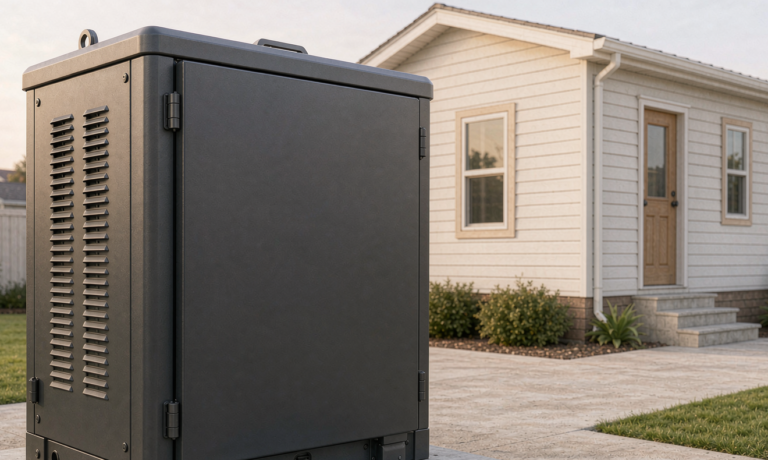
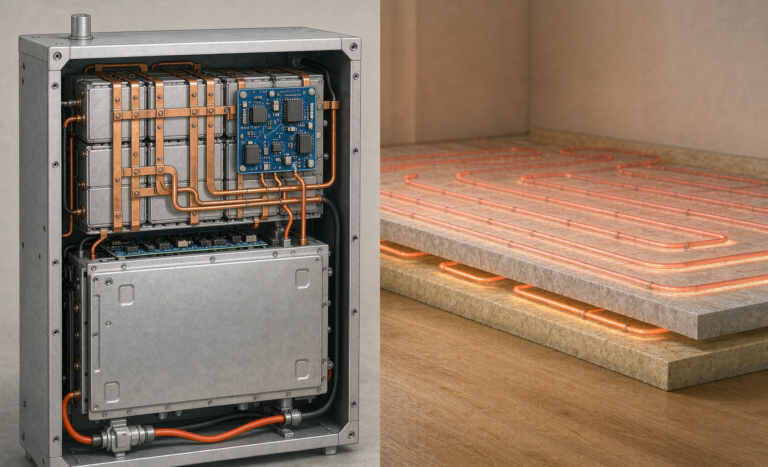
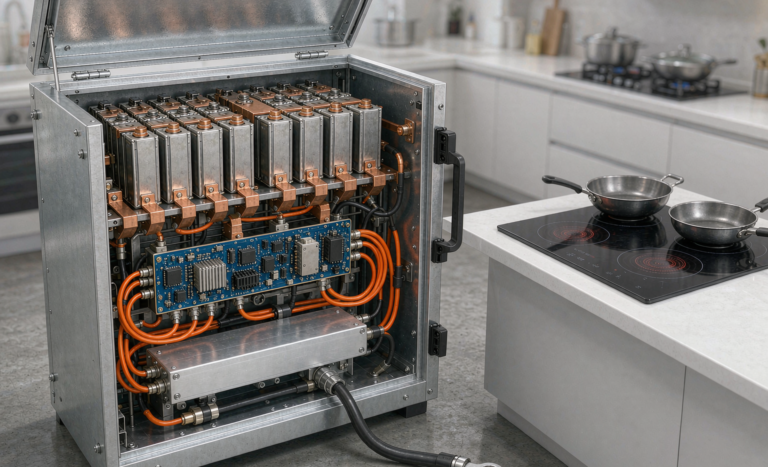
When I started designing lithium battery packs for residential use more than a decade ago, a home energy storage unit was effectively a sealed metal box with a few wires. The battery management system spoke only to the inverter over a short CAN or RS485 link inside the enclosure, and nothing touched the outside world. That design is gone. Today a typical residential battery storage system ships with a Wi-Fi or cellular gateway, a cloud account, an open API, and firmware that updates over the internet. The moment you connect it to your router, your battery becomes part of your home network, and your home network becomes part of the grid.
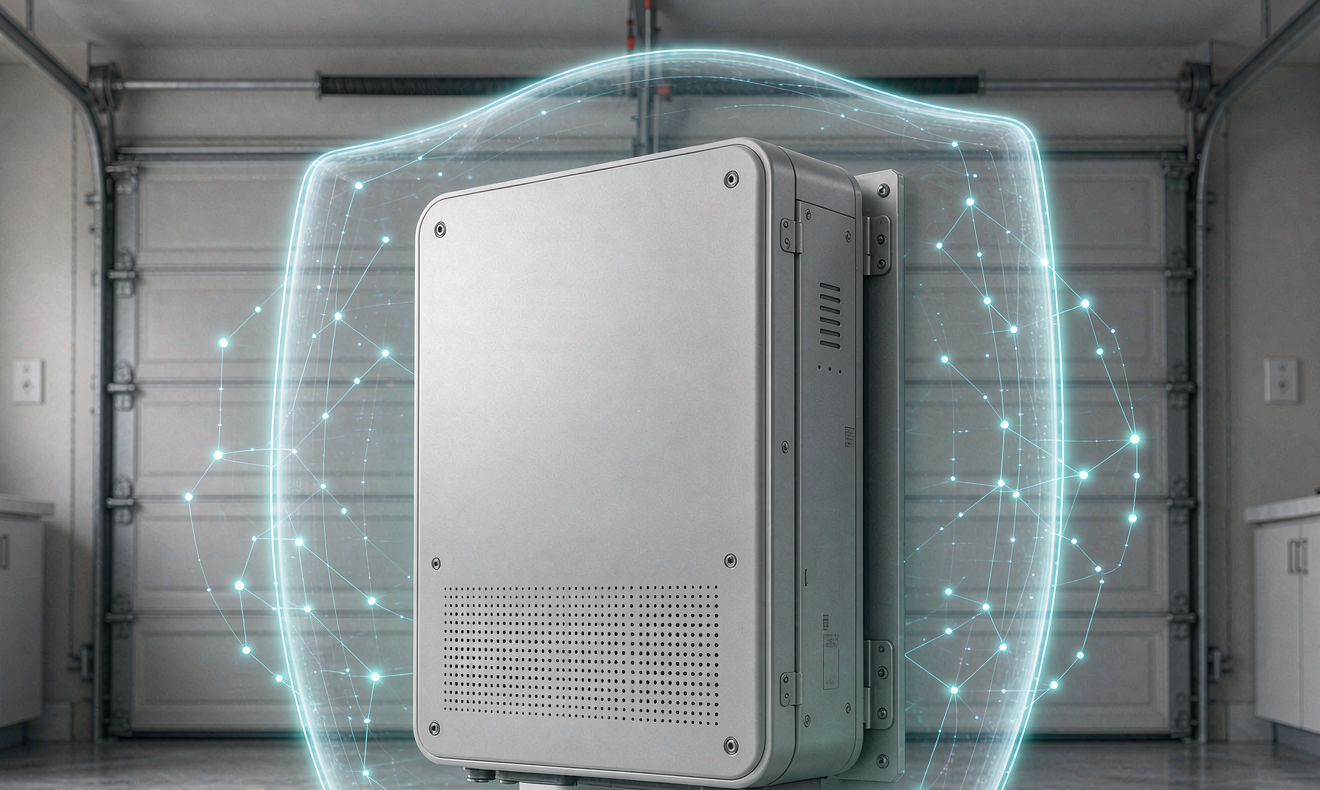
I am Karl Huang, Senior Lithium Battery Engineer at Horizon Power. Over the last few years I have sat in too many meetings where the conversation about a new home battery backup product focused entirely on kilowatt-hours and cycle life, with security treated as an afterthought added by the software team two weeks before launch. That approach is dangerous. A compromised inverter can be switched off during a heat wave, fed false grid signals, or used as a foothold into the rest of your home network. This article lays out the attack surface I design against and the engineering controls that actually move the needle.
The Real Attack Surface: Inverters, BMS, and Gateways
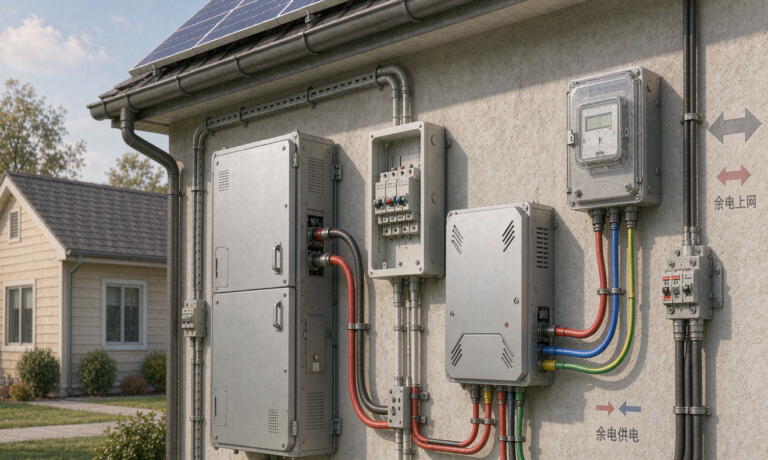
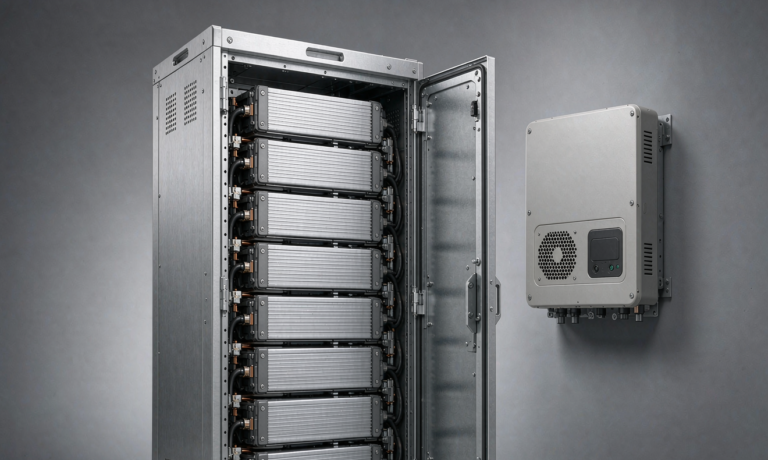
Three components sit at the center of any modern home energy storage system, and each one is a potential entry point. The inverter converts DC from the battery to AC for the house and carries the grid interconnection logic. The BMS watches cell voltage, temperature, and state of charge, and it can disconnect the pack if it detects a fault. The gateway bridges both to the cloud and to your phone app.
- Inverter communication ports. Many units expose Modbus/TCP or SunSpec profiles on a LAN port. If that port is reachable from your main Wi-Fi, an attacker on the network can issue control commands.
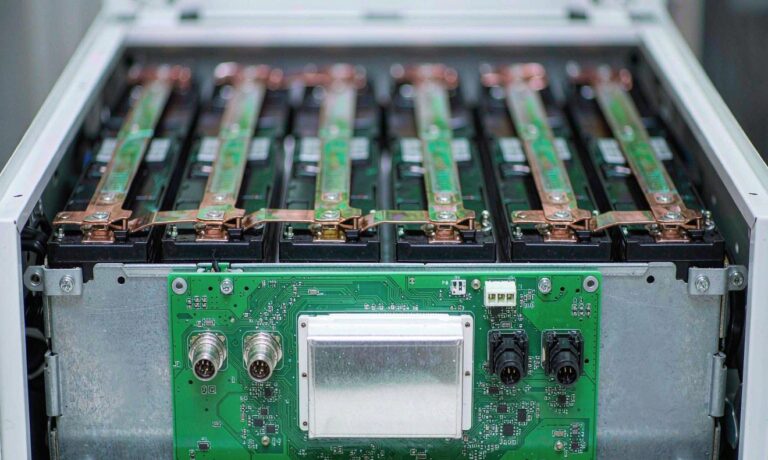
- BMS firmware. The BMS runs on a small microcontroller. If firmware updates are not signed, a malicious image can disable safety limits or report false temperatures.
- Cloud gateway and API. The gateway phones home through a vendor cloud. Weak authentication there means someone else could read your consumption data or push commands to your hardware.
The common thread is that all three were engineered for convenience and reliability first. Security was bolted on later, if at all. My job is to reverse that order during the design phase.
Standards That Actually Matter for Residential Battery Storage
You do not need to invent your own security model. Several standards already describe what a safe distributed energy resource looks like, and I reference them in every design review.
- IEC 62443-4-2. This is the component-level security standard for industrial automation. It defines requirements for embedded controllers, which is exactly what a BMS and inverter are. Look for vendors who can show conformance, not just a marketing claim.
- IEEE 2030.5. This is the Smart Grid Customer Interfaces standard that utilities use to talk to your DER. If your home battery backup participates in a virtual power plant, the utility will likely require IEEE 2030.5 endpoints with proper authentication.
- SUNSPEC Modbus. Most inverters speak SunSpec over Modbus/TCP. The protocol itself has weak authentication, so the protection has to come from the network layer, not the protocol.
- UL 1741 SB and IEEE 1547. These govern grid-support functions and interconnection. A secure system still has to meet them, because a safety recall is the worst possible outcome of a security shortcut.
I treat these as a checklist. If a residential battery storage product cannot map its security claims onto IEC 62443 and IEEE 2030.5, I consider it unfinished.
Secure Communication: TLS, Certificate Pinning, and Signed Firmware
The single highest-value control is encrypting and authenticating every link. In our Horizon Power designs, the gateway talks to the cloud only over TLS 1.3 with certificate pinning, so a spoofed server cannot impersonate the vendor. The LAN link between inverter and BMS uses a pre-shared key that is burned into secure element storage at the factory and never transmitted in plaintext.
Firmware is the second pillar. Every image the BMS or inverter accepts is signed with a hardware-protected private key, and the device verifies the signature against a root of trust in ROM before it executes a single byte. This blocks the classic attack where someone pushes a modified image that disables the over-temperature cutoff. I have watched cheaper products skip this step to save a few cents per unit, and it is always the first thing a penetration tester breaks.
For homeowner-facing apps, we enforce OAuth2 with short-lived tokens and require re-authentication for any command that changes grid behavior. A button that turns off export should never be one tap away from a stale session.
Logging closes the loop. Even a hardened home energy storage system should emit tamper-resistant audit logs for every control command and firmware change, and those logs should be reviewable from outside the device. When something does go wrong, the difference between a minor incident and a serious failure is whether you noticed in minutes or in months, so we treat logging as a first-class security control rather than a compliance afterthought.
Network Segmentation and Physical Port Hardening
No amount of crypto saves you if the installer leaves the inverter on the same network as your laptop. The practical fix is segmentation. I recommend placing the home energy storage gateway on a dedicated IoT VLAN that can reach the internet but cannot initiate connections to your primary devices. The inverter’s Modbus port should live on that same isolated segment, never on the guest Wi-Fi.
Physical ports matter too. Factory service ports, such as USB or serial debug connectors, should be disabled in production firmware or covered by a tamper-evident seal. I have opened competitor units where the debug header was live and unauthenticated; anyone with a laptop and a cable could have taken control. A simple bootloader flag eliminates that risk.
Finally, change default credentials. It sounds obvious, but a surprising number of residential battery storage systems still ship with a printed admin password that is the same across every unit of that model. Unique per-device keys, written at the factory, are non-negotiable in my designs.
Update hygiene matters just as much as the initial install. A secure residential battery storage product should fetch firmware over an authenticated channel, verify the signature, and let the owner see the installed version at a glance. If a vendor cannot tell you the current firmware version of a unit in the field, that is a gap you will regret the first time a critical patch is released.
A Vendor Selection Checklist for Safe Home Battery Backup
If you are specifying a home battery backup system rather than building one, the questions below separate serious vendors from box movers. Ask each one and keep the answers.
- Is the cloud connection TLS 1.3 with certificate pinning, and is firmware signed and verified on device?
- Can the system run fully on an isolated VLAN, with no requirement to expose ports to the open internet?
- Does the vendor publish a coordinated vulnerability disclosure policy and a realistic patch cadence?
- Are default credentials unique per device, and can the installer force a credential reset?
- Which standards does the product map to: IEC 62443-4-2, IEEE 2030.5, UL 1741 SB, IEEE 1547?
A vendor that answers these without hesitation is one I would put in my own home. One that deflects is one I would pass on, no matter how good the price per kilowatt-hour looks.
Frequently Asked Questions
Can someone hack my home energy storage system through the internet?
Yes, if the gateway is exposed and the cloud account uses a weak password. The risk drops sharply when the device uses TLS 1.3 with certificate pinning, signed firmware, and unique per-device credentials, and when it sits on an isolated VLAN rather than your main network.
Do I need a separate firewall for residential battery storage?
You do not need a dedicated firewall, but you should place the system on a separate IoT network segment. Most modern routers support a guest or IoT VLAN that blocks the battery gateway from reaching your computers and phones while still allowing it cloud access.
What does IEC 62443-4-2 actually require?
It defines security requirements for embedded components like inverters and battery management systems, covering identification, authentication, authorization, and firmware integrity. Conformance tells you the vendor treated component-level security as a design requirement rather than an afterthought.
Is signed firmware really necessary for a home battery backup?
It is one of the most important controls. Signed firmware ensures the BMS or inverter only runs code verified against a factory root of trust, which blocks attackers from loading a modified image that disables safety cutoffs or falsifies telemetry.
Should I avoid cloud-connected home energy storage entirely?
No. Cloud connectivity enables remote monitoring, firmware updates, and virtual power plant participation. The goal is not to disconnect, but to require encryption, authentication, and network isolation so the convenience does not become a liability.
How often should a vendor patch home energy storage security flaws?
There is no fixed rule, but a responsible vendor publishes a vulnerability disclosure policy and ships fixes within a defined window, often 30 to 90 days for confirmed issues. Ask for the policy before you buy, and treat silence as a warning sign.
Further Reading
References