Sodium-Ion Battery for Warehouses and Logistics
I have spent the last decade specifying battery systems for industrial sites, and few environments punish a poorly chosen chemistry like a working warehouse. Forklifts, automated guided vehicles, dock levelers, cold rooms, and the charging racks that feed them all draw uneven, peaky loads. When the grid blinks, a distribution center can lose thousands of dollars per minute in spoiled goods and stalled throughput. This is where I have started steering logistics operators toward the sodium-ion battery as a stationary backbone, and in this article I will explain exactly why, with the engineering numbers I use on real projects.
Why Warehouses and Logistics Sites Need Stationary Storage
A modern fulfillment center is a continuous-load machine. Conveyors, sortation systems, and wireless network gear must stay up even during a half-second voltage sag. Refrigerated docks and cold rooms cannot tolerate a long outage without product loss. On top of that, commercial utilities charge demand penalties based on the single highest 15-minute draw in a billing cycle. I have measured warehouse demand spikes of 40 to 60 kW the moment a fleet of chargers and a dock heater kick on together.
A stationary sodium-ion battery bank solves two problems at once. First, it provides backup power for critical loads so the warehouse lithium battery systems, servers, and emergency lighting ride through interruptions. Second, it shaves those demand peaks by discharging during the most expensive window and recharging overnight when rates drop. For a site on time-of-use tariffs, the payback is often faster than operators expect, because the battery attacks both the energy charge and the demand charge line items simultaneously.
Resilience is the second pillar. A two-hour ride-through keeps order picking alive while the generator warms up, and it protects perishables that would otherwise spoil. In my experience the operations team stops thinking about the battery once it has covered two or three real events, which is the highest compliment a storage system can earn.
Sodium-Ion Chemistry Fit for Indoor Facilities
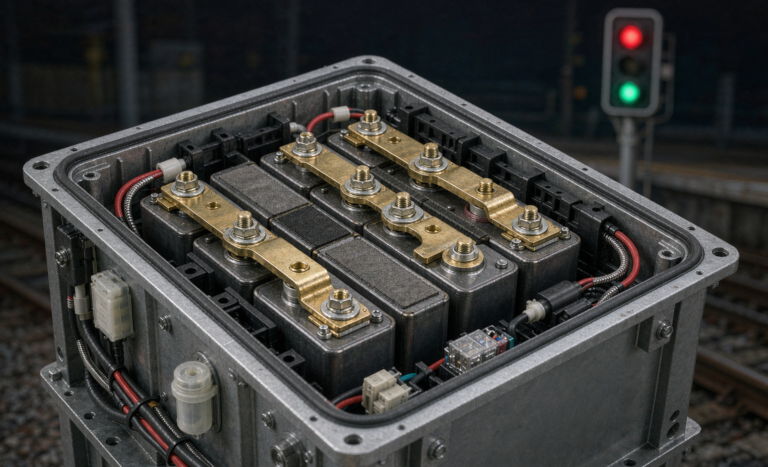
Sodium-ion cells use abundant raw materials and avoid cobalt and nickel entirely, which simplifies both supply chain and end-of-life handling. The chemistry I specify most often pairs a layered oxide or polyanionic cathode with a hard carbon anode. Cells ship in robust prismatic formats that suit stationary cabinets, and the intrinsic thermal stability is higher than nickel-based chemistries, giving building inspectors and insurers more comfort indoors.
From a standards perspective, stationary packs must meet IEC 62619 for industrial cells and UL 1973 for stationary applications, with UL 9540A addressing fire propagation between cells. Transport into the facility follows UN38.3. On logistics projects I treat these as non-negotiable checkboxes before a single cabinet is commissioned, and I keep the test reports in the job file for the life of the installation.
Compared with lithium battery packs, sodium-ion trades some gravimetric energy density for material stability and cost predictability. In a fixed warehouse cabinet, floor space is rarely the binding constraint, so the trade is usually worth it. I also like that sodium-ion tolerates partial state of charge storage without the calendar aging penalty that worries some LFP designers.
Sizing a Warehouse Backup and Peak-Shaving Bank
Sizing starts with a load audit. Take a 50,000 square foot distribution center with roughly 30 kW of truly critical load: dock levelers, warehouse management servers, emergency egress lighting, and a partial cold-room segment. A two-hour backup requirement gives 60 kWh of usable energy. Add a peak-shave target of 20 kW for four hours and the stationary duty climbs to about 140 kWh.
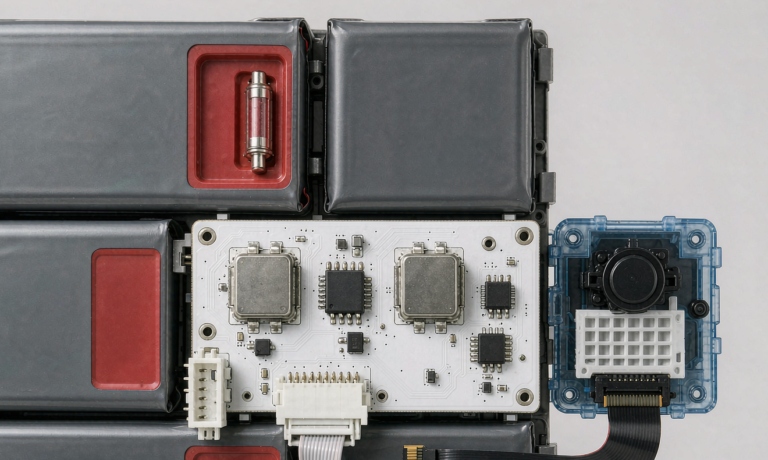
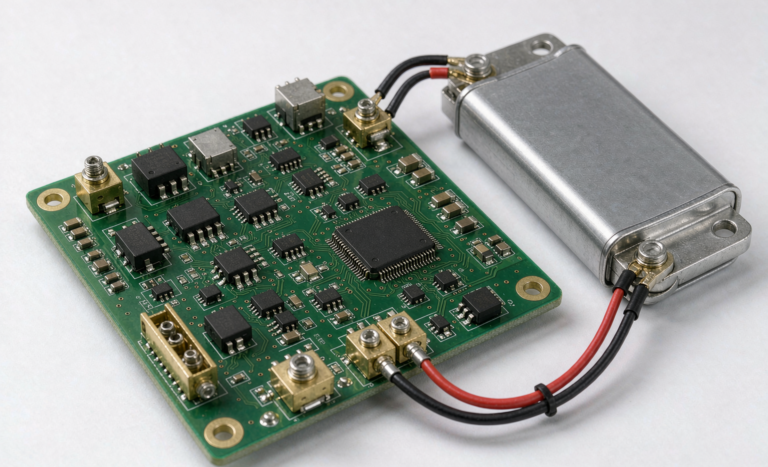
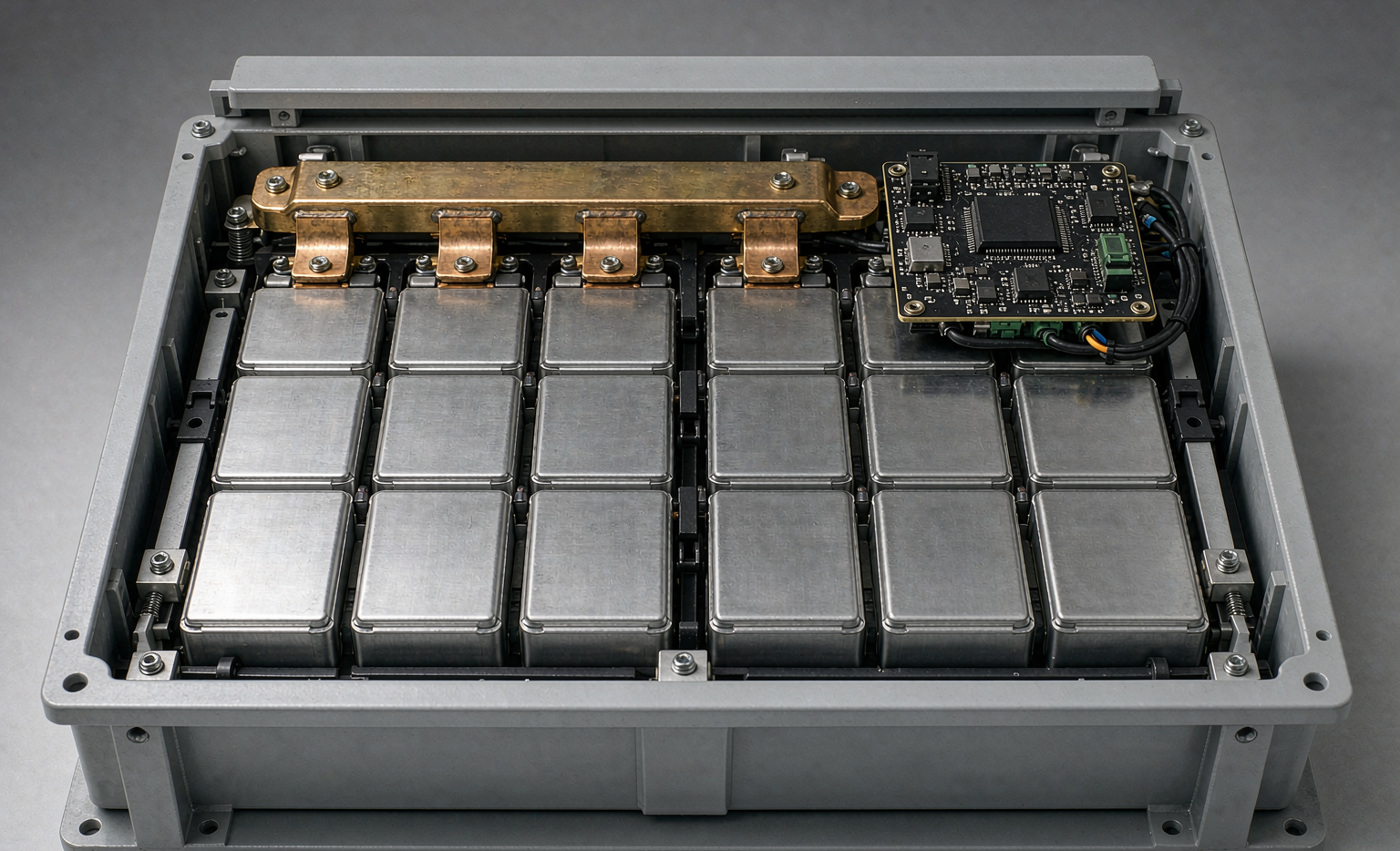
I size the pack to about 85 percent depth of discharge for sodium-ion, slightly conservative versus lithium battery designs, which keeps cycle life intact. A practical configuration is a 150 kWh cabinet running at 0.2C continuous and 0.5C for short peak events. The battery management system must log state of charge and cell voltage so the facility team can verify the bank is ready before each shift.
For a smaller 15,000 square foot cross-dock, the critical load may be only 12 kW, and a 40 to 60 kWh bank covers it. For a large automated hub the number can exceed 500 kWh, in which case I split the duty across multiple cabinets on separate branch circuits so a single fault cannot take down the whole bank. The rule is always to size from measured load, never from a vendor default.
Charging Infrastructure for Logistics Fleets
Logistics fleets are shifting to opportunity charging, where vehicles top up during breaks instead of waiting for a full cycle. That pattern creates sharp, repeated charger demand. I recommend tying the charger feeders to the stationary sodium-ion bank so the grid only sees a smoothed average. The pack absorbs the spike when ten trucks plug in at once and recharges gently afterward.
This same bank can serve as a buffer for electric forklift charging, which is already common in many warehouses. Rather than upsizing the service entrance, operators install a custom battery solution that decouples charger power from grid capacity. The result is lower demand charges and a smaller utility upgrade, and the same cabinet that peak-shaves also backs up the chargers during an outage.
I also design the dc bus to allow direct charging where the vehicle accepts it, which skips a conversion stage and improves round-trip efficiency by a few points. Those points compound across thousands of cycles, so they matter to the lifetime cost model.
Safety, Permits, and Thermal Behavior Indoors
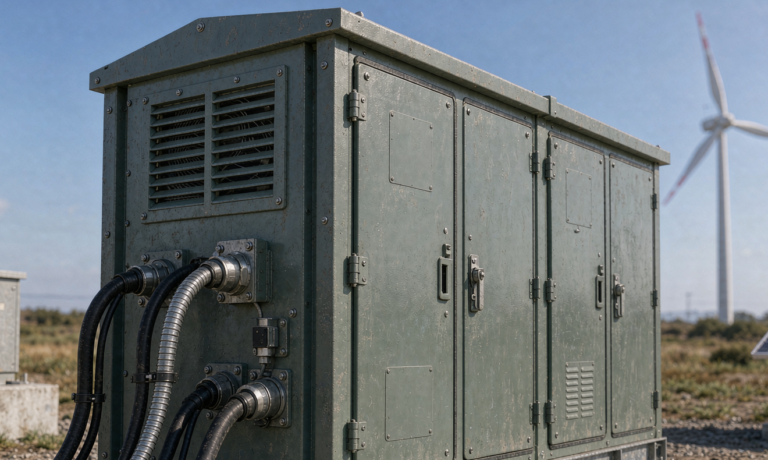
Indoor battery rooms need deliberate design. I require clear spacing between cabinets, a smoke detection loop, and either passive ventilation or a dedicated exhaust interlock. Even though sodium-ion has a higher thermal-runaway threshold than some alternatives, I still apply the full IEC 62133-2 and IEC 62619 qualification sequence and keep a documented failure-mode review on file.
Permits vary by jurisdiction, but most authorities ask for the UL 9540A test report, a one-line electrical drawing, and a fire-protection narrative. On a recent warehouse project the inspection hinged on aisle clearance and a listed disconnect within sight of the cabinets. Planning for that early avoids a painful rework after installation, and it keeps the authority having jurisdiction on your side.
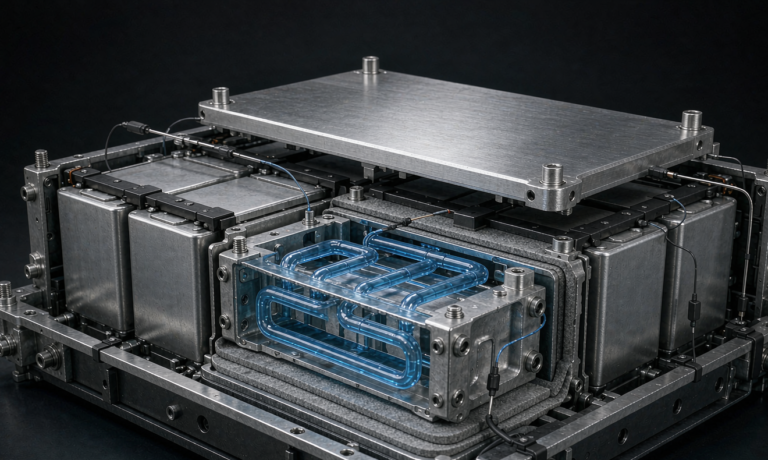
Thermal management indoors is straightforward because the bank rarely sees high continuous current. I still specify a temperature sensor per module and a cooling fan that activates above 35 degrees Celsius. The goal is to keep cells in their happy band so the state of health stays high across the warranty period.
Cold Storage and Dock Operations
Docks and refrigerated zones are the hardest test for any battery. Sodium-ion holds its capacity and keeps internal resistance manageable at low temperature better than many lithium battery platforms I have tested. At minus 10 degrees Celsius I typically see usable capacity around 90 percent of the room-temperature rating, with no need for the heavy pad heating that some chemistries require.
For cold storage facilities, the stationary bank also reduces generator runtime during outages. Keeping the evaporator fans and a partial refrigeration loop alive on battery power preserves inventory far longer than a blackout would allow, and the sodium-ion pack recovers cleanly once grid power returns. I also use the bank to cover defrost cycles, which are themselves sharp loads that waste energy when they collide with peak windows.
Humidity control matters too. I keep the cabinets in a conditioned enclosure rather than the cold room itself, so condensation never forms on terminals. A small insulated vestibule between the dock and the battery room solves most field problems I have encountered.
Conclusion
The sodium-ion battery is not a novelty for logistics anymore. Its material simplicity, indoor-friendly safety profile, and strong low-temperature behavior make it a practical stationary choice for warehouses that live and die by uptime and demand charges. Specified against IEC 62619 and UL 1973, sized from a real load audit, and permitted correctly, it pays for itself in both resilience and energy cost control, and it gives the operations team one less thing to worry about on the night shift.
Frequently Asked Questions
How does sodium-ion compare to LFP for warehouse use?
Sodium-ion trades some energy density for lower material cost and better low-temperature behavior. For stationary warehouse duty where space is ample, the sodium-ion battery is often the more economical and indoor-friendly choice, while LFP still leads where weight and volume are tight.
What size battery bank does a typical warehouse need?
Most mid-size distribution centers need 100 to 200 kWh of stationary storage to cover critical loads for two hours plus peak shaving. The exact figure comes from a load audit of critical kW and the target backup duration, not from a generic default.
Can sodium-ion batteries run in cold dock environments?
Yes. At minus 10 degrees Celsius a properly specified sodium-ion pack retains roughly 90 percent of its room-temperature capacity, which makes it well suited to docks and refrigerated zones without heavy pad heating.
Do warehouse battery installations require permits?
Almost always. Authorities typically require a UL 9540A report, electrical one-line drawings, and a fire-protection narrative. Planning these documents early keeps the commissioning on schedule.
How long do sodium-ion warehouse batteries last?
At 85 percent depth of discharge and daily cycling, a well-managed sodium-ion bank typically delivers 3,000 to 6,000 cycles. Real life depends on temperature, balancing quality, and how aggressively the pack is peak-shaved.
References
- IEC 62619 – Safety requirements for secondary lithium cells for industrial applications
- UL 1973 – Standard for Batteries for Use in Stationary and Motive Auxiliary Power Applications
- UL 9540A – Test Method for Evaluating Thermal Runaway Fire Propagation in Battery Energy Storage Systems
- UN38.3 – Recommendations on the Transport of Dangerous Goods, lithium and sodium-ion cells
Further Reading
References