Lithium Battery for Electric Gate Openers and Barrier Arms
At Horizon Power we have shipped lithium packs for access-control gear for more than a decade, and I still get the same call from installers in January: the lead-acid battery in the gate box died again after one cold night. I am Karl Huang, Senior lithium battery Engineer, and in this piece I will walk through exactly how we specify a lithium battery for electric gate openers and barrier arms so it survives the weather, the duty cycle, and the warranty period. The goal is a pack that an installer can drop in, forget about for years, and trust when a delivery truck arrives at midnight in a snowstorm.
Why Electric Gates and Barrier Arms Need a Purpose-Built Lithium Battery Pack
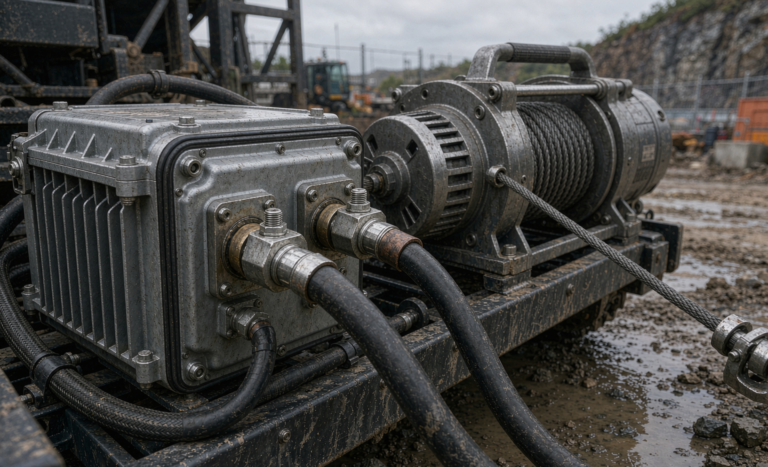
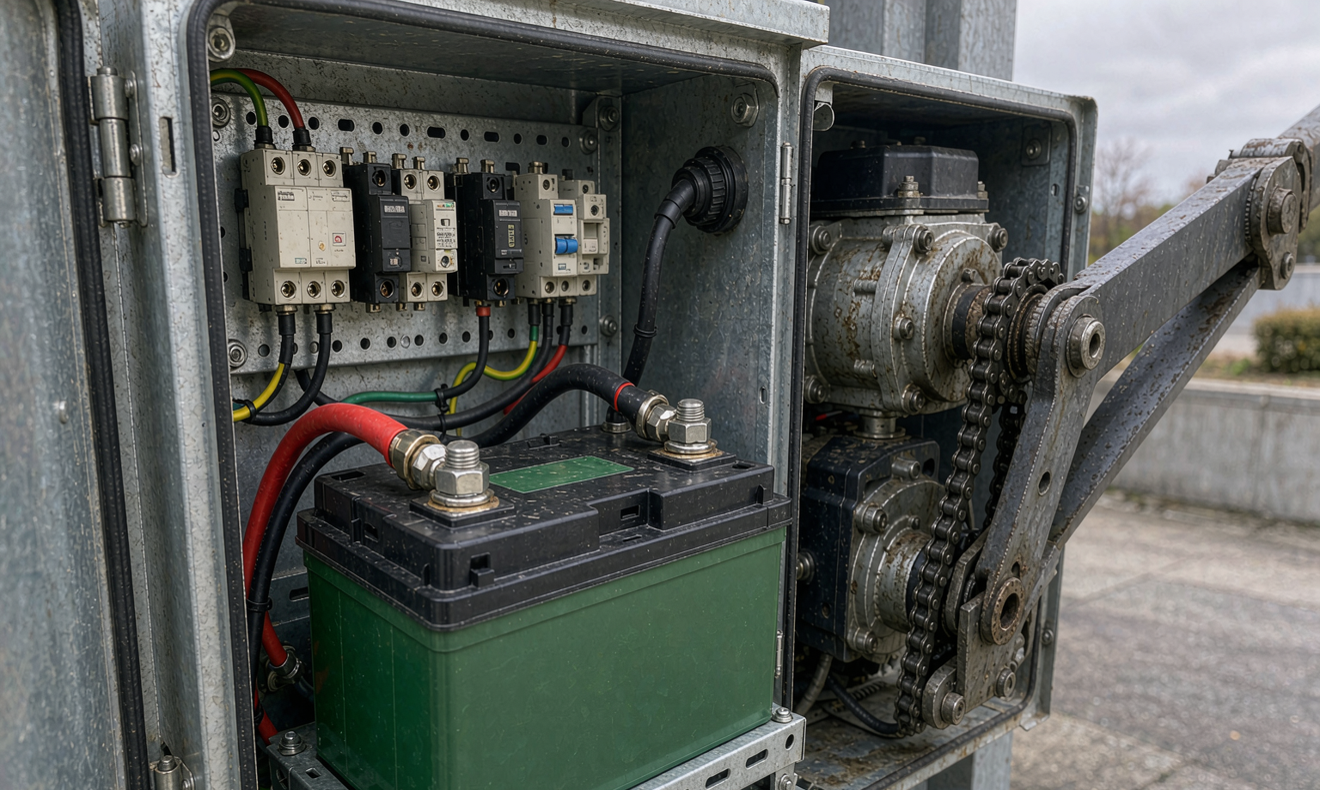
A gate or barrier is not a steady load. It sits idle for hours drawing only the controller, the radio receiver, and a small standby inverter, then suddenly pulls a hard pulse when the motor swings the leaf or lifts the arm. A typical residential swing gate actuator draws 3 to 8 amperes while moving and peaks near 15 amperes on a stalled leaf. A parking barrier arm is similar: a short, sharp pull of 10 to 30 amperes for two or three seconds, then nothing for minutes. The battery must therefore do two jobs at once: hold a small standby load for days, and deliver a clean high-current pulse on demand without the voltage sag that trips the controller.
Lead-acid handles this poorly because its available capacity collapses in the cold and its internal resistance climbs as it ages. A lithium battery for electric gate duty starts from a different baseline: flat discharge voltage, low self-discharge (under 3 percent per month), and usable capacity down to near-empty without damage. For an access point that people rely on every day, that reliability gap is the whole reason to upgrade.
LiFePO4 Versus NMC for Access-Control Duty
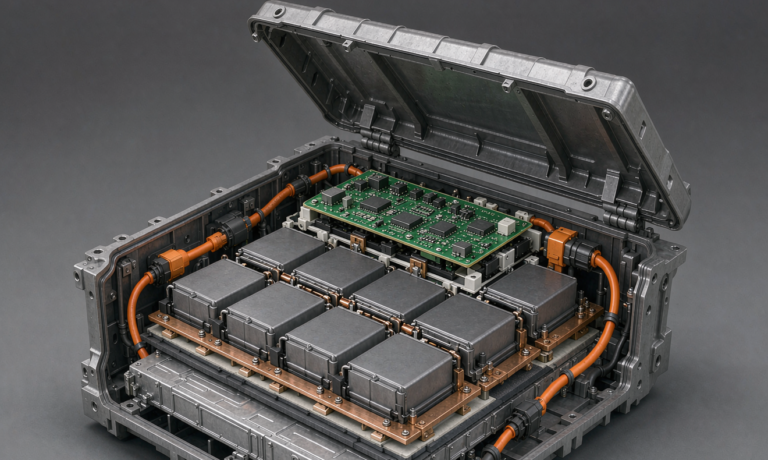
For gates and barriers the chemistry choice is almost always LiFePO4, or lithium iron phosphate. It gives the three things this application cares about most: inherent thermal stability, a long cycle life, and a wide operating temperature window. A LiFePO4 cell stays calm even if punctured or overcharged, which matters when the pack lives in a sealed metal box bolted to a fence. NMC, or nickel manganese cobalt, packs more energy per kilogram and can be the right call for a solar-powered barrier on a remote site where weight is the constraint, but it carries more thermal risk and a shorter calendar life, so we reserve it for custom battery solution requests where mass is the deciding factor.
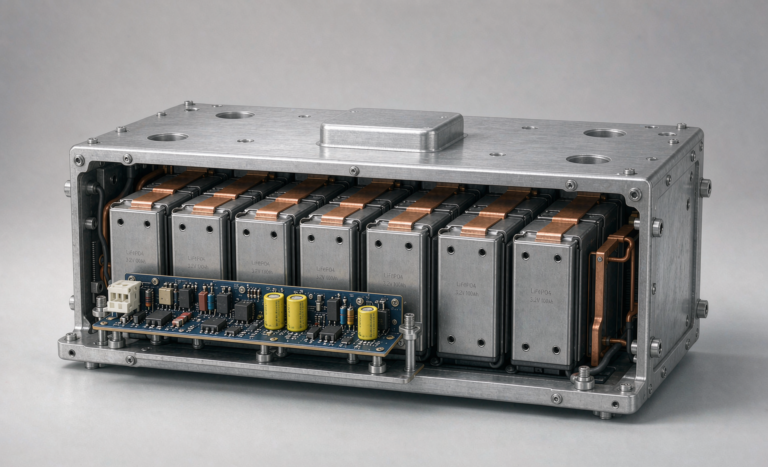
The voltage platform follows the motor. Most residential and light-commercial gate boards are built around 12 volts, so we use a 12.8 volt LiFePO4 pack (four cells in series). Three-phase or heavy barrier arms often run on 24 volts, which is eight cells in series at 25.6 volts. Matching the pack voltage to the original supply avoids rewiring the control board and keeps the installer’s job simple.
Sizing Capacity for Duty Cycle and Standby Time
Sizing starts with two numbers: the actuator peak current and the standby draw. A standby controller with a radio receiver typically pulls 50 to 150 milliamps. If the site loses grid power, the pack must still open and close the gate a defined number of times. We size for the worst week of winter, not the mild average. As a rule of thumb, a residential slide gate that cycles 20 times a day replaces a worn 12 volt 7 ampere-hour lead-acid battery with a 12.8 volt 9 ampere-hour LiFePO4 pack, because the lithium cell delivers close to its full rated capacity while the lead-acid unit was only ever using half.
Cold is the hidden derate. Below 0 degrees Celsius a LiFePO4 cell loses available capacity and must not be charged, so for sites that drop below freezing we either add a low-temperature charge cutoff in the BMS or a self-heating element that warms the cells before the charger engages. For a barrier arm cycling 500 times a day at an airport or toll plaza, we scale the pack to roughly 30 ampere-hours at 24 volts with a BMS rated for sustained 40 ampere discharge, then verify the voltage stays above the controller cutoff through the longest grid-outage scenario the operator will accept.
Thermal Envelope and Weatherproofing for Outdoor Boxes
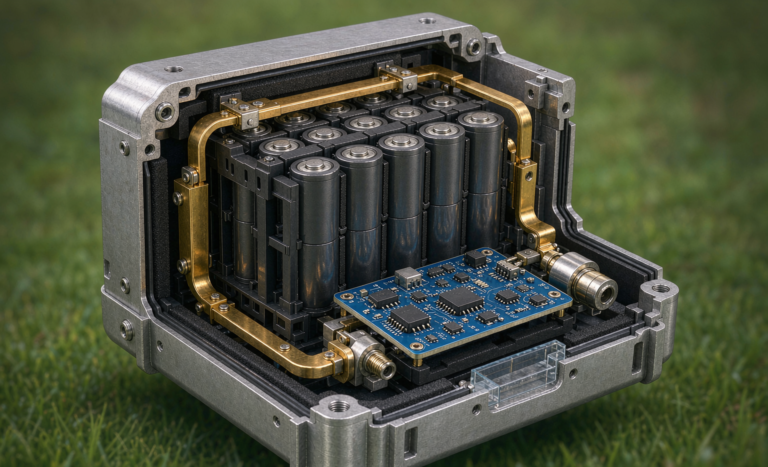
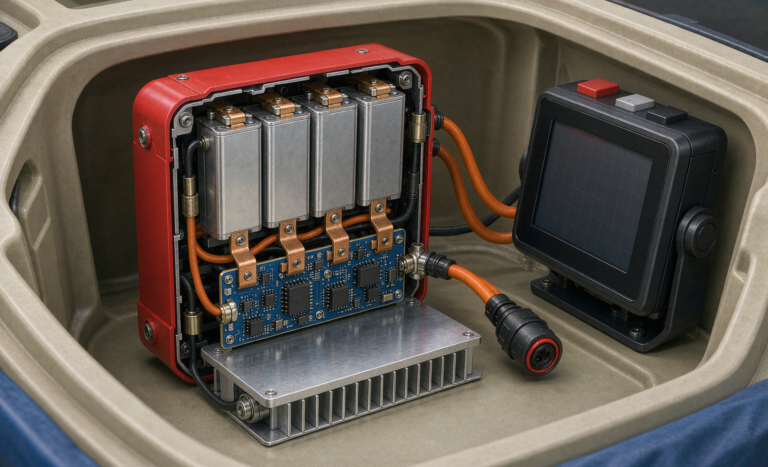
The pack lives outside, so the enclosure does the work. We specify at least IP65 for the battery housing to keep out rain, dust, and insects, and we mount it with an air gap from the metal wall so condensation cannot form on the cells. The rated operating window for our gate packs runs from minus 20 degrees Celsius to plus 60 degrees Celsius, with charge disabled below 0 degrees Celsius unless self-heating is fitted. Venting matters: a sealed box that traps the small heat from a charging cell will age the pack faster, so we leave a breather path and keep the BMS away from direct sun.
Compliance and Safety: UN38.3, IEC 62133, and IP Ratings
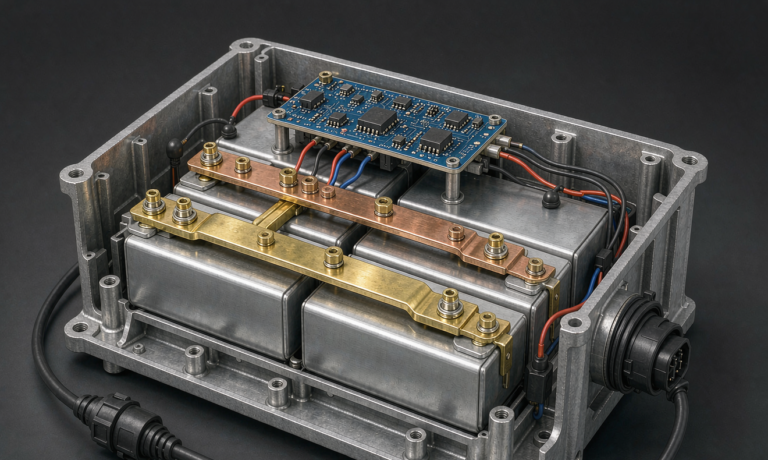
Every pack we ship is built on cells that pass UN38.3, the transport safety test series that covers altitude simulation, thermal, vibration, shock, external short, impact, and overcharge. For the cell-level safety we reference IEC 62133, and for the stationary industrial use in a gate we also design to IEC 62619 for the battery system, which adds requirements for thermal runaway propagation and management of hazards. The BMS enforces over-current, short-circuit, over-voltage, under-voltage, and over-temperature protection, and we label the enclosure with the IP rating and the certified cell standard so the installer and the inspector can both see it at a glance.
Cycle Life and Total Cost of Ownership
This is where lithium wins the argument on paper. A flooded or AGM lead-acid gate battery gives maybe 300 to 500 cycles before its capacity fades to the point the gate starts failing on cold mornings. A LiFePO4 pack rated for 2000 to 4000 cycles at 80 percent depth of discharge will outlast the gate motor in many installs. Spread over five years, the lithium battery for electric gate service costs less per cycle even though the sticker price is higher up front, and it removes the annual winter call-out that eats the savings of the cheaper battery. For a property manager with fifty gates, that difference is the difference between a maintenance line item and a non-event.
Installation and BMS Integration Tips
For a clean install, use a BMS with a low-temperature charge cutoff and passive balancing so the cells stay even across seasons. If the site is monitored, pick a pack with RS485 or CAN bus so the building system can read state of charge and flag a weak cell before it strands a vehicle. Fuse the pack within reach of the board, size the wiring to the peak motor current not the standby draw, and never parallel two packs of different age or different internal resistance, because the stronger one will quietly overwork the weaker one. Done right, the lithium upgrade is a one-time afternoon job that the next technician will thank you for.
How long does a lithium battery last in an electric gate opener?
A LiFePO4 pack rated for 2000 to 4000 cycles at 80 percent depth of discharge typically runs for eight to twelve years in a residential gate, far longer than the three to five years you get from a lead-acid unit, because it resists the capacity fade that cold weather and partial charging cause in flooded batteries.
Can I replace a lead-acid gate battery with lithium directly?
In most 12 volt or 24 volt systems you can, as long as the replacement pack matches the original voltage platform and includes a BMS with a low-temperature charge cutoff. Keep the existing charger only if it is a constant-voltage type; a lead-acid specific charger with a high float voltage should be set to the lithium profile to avoid overcharge.
What voltage should I choose for my gate motor?
Match the motor. Residential and light-commercial boards usually run on 12 volts, so use a 12.8 volt LiFePO4 pack. Heavier barrier arms and three-phase operators commonly use 24 volts, which means a 25.6 volt pack. Running the correct platform avoids rewiring the control board.
Do lithium gate batteries work in freezing weather?
Yes, with the right BMS. The cells deliver capacity down to minus 20 degrees Celsius, but they must not be charged below 0 degrees Celsius, so we fit a low-temperature charge cutoff or a self-heating element. Without that protection, a solar or mains charger can damage the pack on a cold night.
Is a lithium battery safe inside a metal gate box?
It is safe when the pack is IP65 sealed, mounted with an air gap from the metal, and built on UN38.3 and IEC 62133 certified cells with a protected BMS. LiFePO4 is the stable choice here because it resists thermal runaway even under abuse.
How do I size the battery for a barrier arm that cycles 500 times a day?
Scale to roughly 30 ampere-hours at 24 volts with a BMS rated for sustained 40 ampere discharge, then confirm the pack holds above the controller cutoff through the longest grid outage the site will accept. For a toll plaza or airport, add RS485 or CAN monitoring so a weak cell is caught before it strands traffic.
Further Reading
References