Semi-Solid State Battery Commercial Availability Today
I get this question from procurement teams more than any other right now: when can I actually buy a semi-solid state battery and put it into a shipped product? After years of qualifying cell samples for industrial packs, my answer is that availability is not a single date. It is three separate supply states, and they are often confused in vendor slide decks. Sample cells that roll off a pilot line, a qualified design release that a procurement team can re-order, and steady-state production with stable yield are very different milestones. Most sellers can demonstrate the first. Fewer have reached the third.
What Commercial Availability Really Means for Semi-Solid State Cells
When I assess a semi-solid state cell supplier for a customer, I separate availability into three states so that the schedule and the risk profile become obvious. Sample supply means a few hundred units exist for bench testing, with datasheets that may not reflect the production cell. Qualified design release means the geometry, capacity, and internal resistance are frozen, and the customer has signed a specification. Steady-state production means the line holds yield month after month and the fourth delivery matches the first.
- Sample supply: typically 10 to 500 cells, lead time of 6 to 14 weeks, specifications indicative rather than contractual.
- Qualified design release: 1,000 to 10,000 cells per program year, full datasheet, 20 to 30 week lead time, specification signed off.
- Steady-state production: repeat orders every 8 to 16 weeks with statistical process control data, 26 to 40 week lead time including tooling margins.
In my own files, the gap between the first and the third state has usually been 18 to 30 months. Any supplier claim shorter than that should be treated as a development announcement, not a delivery commitment.
Cell Formats You Can Order Today
By 2026, the purchasable semi-solid state cell base is thin but real. What ships in volume is overwhelmingly pouch cells in the 20 to 60 ampere hour range, used where a customer needs a bespoke shape factor. Prismatic hard-case semi-solid cells exist in the 40 to 120 ampere hour class for traction and stationary storage, but the pick of sizes is narrower than for a conventional lithium-ion line. Circular formats are rare in this chemistry because the electrode stack pressure profile does not favour a metal can as much as a laminated pouch.
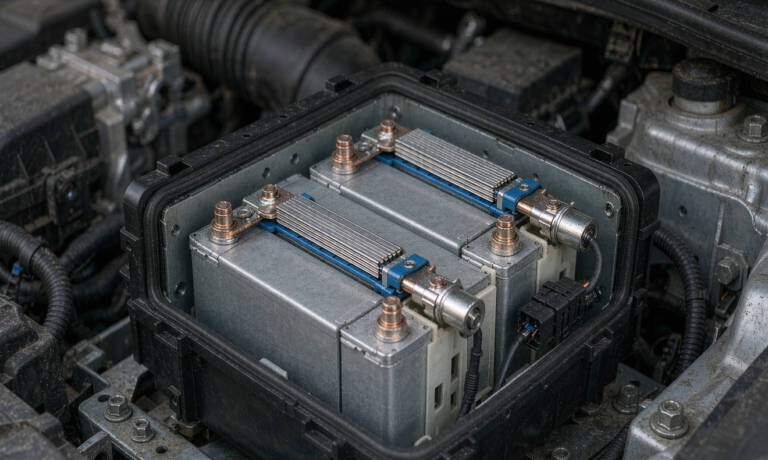
The practical consequence for a pack engineer is that you will design around a laminated cell with soft edges. Cell-to-pack volume efficiency is therefore worse than a prismatic module built on a conventional lithium iron phosphate cell. In one program I worked on, the pack level energy density landed around 190 Wh/kg even though the cell datasheet claimed close to 260 Wh/kg. The delta came fromTabs, busbars, the clamping frame, and the thermal interface. If your business case depends on pack level numbers, ask for the pack measurement, not the cell measurement.
Why the Clamping Frame Matters
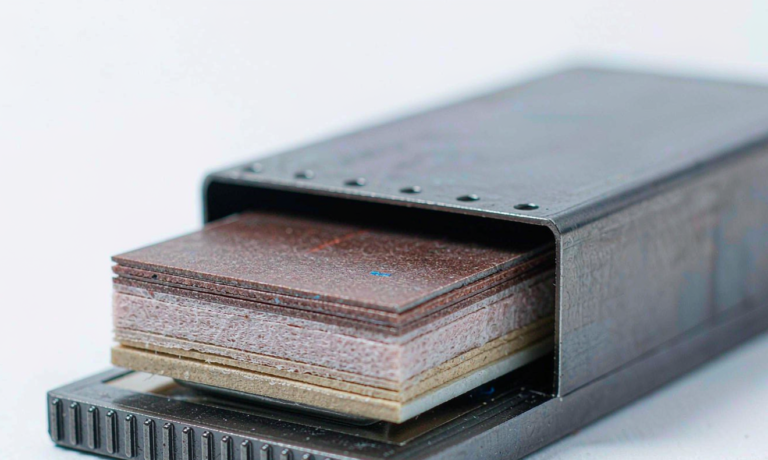
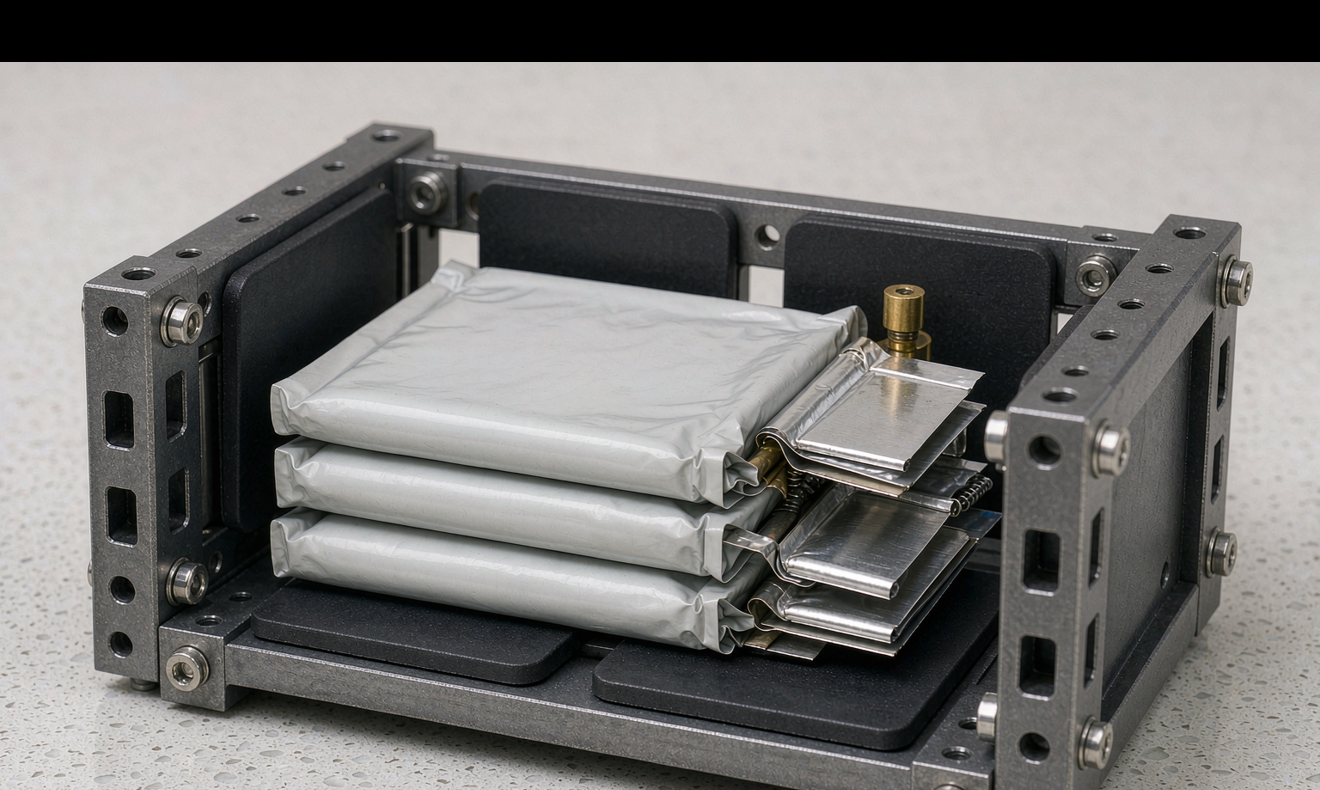
Semi-solid designs retain a partial liquid fraction for ion transport, which means the stack needs a controlled mechanical load. For the pouch format, my teams typically apply 0.2 to 0.6 megapascals of distributed pressure through a spring or elastomer pad block. Without it, lithium plating at low temperature and gas generation during aging both worsen. This is a hardware cost that a conventional lithium-ion bill of materials does not carry.
Who Ships Semi-Solid State Cells and at What Volume
The supply base splits into three tiers, and knowing which tier you are buying from protects you from a very common failure. Tier one is a large battery manufacturer with a dedicated semi-solid line capable of gigawatt-hour scale; these suppliers sell into automotive programs and will typically require a multi-year volume commitment before they quote a firm price. Tier two is a specialist cell builder producing thousands of units per year to customer geometry; this is where most industrial and robotics customers land. Tier three is a trading house resampling a pilot lot, and I generally advise against it because the cells rarely have a controlled production record.
If your annual volume is under roughly 2,000 units, you will almost always be in tier two. That is not a problem, but it means you should budget for a qualification project with a real engineering scope: mechanical fixture design, a thermal study, and a test of at least 600 cells for the Coulomb counting and thermal behaviour spread.
Cost Band, Lead Time, and the Integration Penalty
At low volumes, semi-solid state pricing in the 2026 market sits roughly 25 to 45 percent above an equivalently rated conventional pouch cell. The premium is real but it is shrinking as lines move beyond the pilot stage, and it collapses once you commit to more than a few thousand units a year. Lead times tell the same story: expect 12 to 20 weeks for a first article, and 30 to 40 weeks for a qualified production release that includes tooling and a new dry room campaign.
The part buyers underestimate is the integration cost. Because the chemistry needs a clamping structure, a tighter moisture environment, and conservative charge profiles, the pack becomes more expensive to build and to service. A conventional lithium iron phosphate module can often be un bolted and swapped in the field. A semi-solid module with a preloaded frame frequently cannot. Design your enclosure for serviceability at the pack level, or the reliability gain will be eaten by field failures you cannot fix.
Qualification, Certification, and Transport Compliance
Standards are where semi-solid claims get honest. For portable cells the applicable route is IEC 62133-2, while industrial and traction equipment should be assessed under IEC 62619 rather than the portable standard. Anything that moves by road, sea, or air still needs a UN 38.3 test summary, and the documentation must be traceable to the exact cell production batch. For air freight, the consignment falls under the dangerous goods rules for lithium batteries, and carriers will ask for state of charge evidence, usually 30 percent or lower, before they accept the shipment.
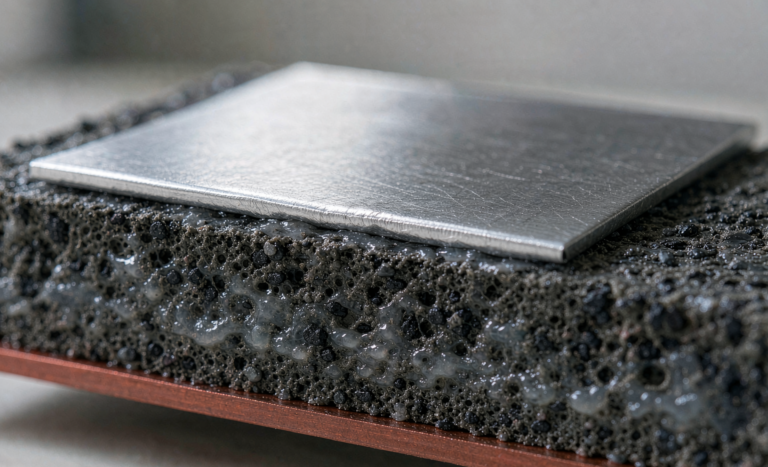
The moisture constraint is worth flagging to anyone planning a factory move. Sulfide-based solid electrolyte members react with water vapor, so a semi-solid fill campaign needs a dry room held at a dew point of minus 40 degrees Celsius or lower, and the electrolyte handling must be scheduled as a closed loop. A customer who budgeted for a conventional dry room will find the real requirement noticeably stricter.
Where Semi-Solid State Makes Commercial Sense Now
My shortlist for where the premium is defensible today is short. Aviation and high-value unmanned systems, where watthour per kilogram directly extends mission time. Medical and wearable devices where the cell must hold a stable voltage for years in a sealed enclosure. Specialist robotics and inspection platforms with high pulse power and a maintenance window measured in years. In those applications the extra cost per kilowatt hour is trivially smaller than the operational gain. For commodity stationary storage or a fleet of standard e-bikes, conventional chemistry still wins on total cost of ownership.
Treat this as a supply decision and not a technology bet. Ask the vendor three questions in writing: what is the cell level and pack level energy density measured on their own equipment, what is the cycle life at a stated depth of discharge and charge rate rather than at a perfect trickle, and what is the production yield for the last four months. Vendors who answer all three with numbers tend to deliver what the datasheet says. Vendors who answer with adjectives do not.
FAQ
Is a semi-solid state battery available to buy today?
Yes, but the selection is narrow and the volumes are small. Pouch cells in the 20 to 60 ampere hour range and prismatic cells from roughly 40 to 120 ampere hours can be sourced through specialist cell builders. Gigawatt-hour automotive lines exist, yet they usually require multi-year commitments. For most industrial buyers the realistic path is a tier two supplier producing a few thousand units a year to a custom geometry.
How much does a semi-solid state cell cost compared with conventional lithium-ion?
At low volumes expect a premium of about 25 to 45 percent over an equivalently rated conventional pouch cell. The gap narrows quickly once annual volume passes a few thousand units and the supplier moves past pilot yield. pricing should always be compared at pack level, because the clamping frame and serviceability losses add cost that a cell price alone will not show you.
What certifications are needed before using semi-solid state cells in a product?
Portable cells are assessed under IEC 62133-2, while industrial and traction equipment falls under IEC 62619. A UN 38.3 test summary covering the exact production batch is required for any shipment, and air freight runs under dangerous goods rules with a low state of charge. Ask for the test report, not a marketing statement of compliance.
Can semi-solid state cells be shipped by air freight?
They can, subject to the same lithium battery dangerous goods provisions that apply to conventional cells. Carriers normally require a state of charge at or below 30 percent, a UN 38.3 test summary, and correct packaging with a state of charge indicator. Because sulfide electrolyte members are moisture sensitive, the cells should travel in sealed dry packing rather than loose in a carton.
What cycle life should I expect from a semi-solid state module?
Do not quote the marketing figure. Ask for cycle life measured at a stated depth of discharge and charge rate, typically 80 percent depth of discharge and a 0.5C charge. Outdoor and traction duties often land in the 1,500 to 3,000 cycle band at those conditions, with calendar aging becoming the limiting factor after year five. A supplier who states the test conditions is telling you the truth.
Should I design external clamping pressure into a semi-solid state pack?
Usually yes for pouch format. Most designs apply 0.2 to 0.6 megapascals of distributed stack pressure through springs or an elastomer layer to keep the electrode stack in contact and suppress lithium plating at low temperature. The clamp adds mass and cost, and it complicates field service, so plan the enclosure around it from the first sketch rather than retrofitting it later.
Further Reading
References