Semi-Solid State Battery Recycling and Material Recovery: How Engineers Reclaim Lithium, Nickel, and Cathode Active Materials
Over the last three years on the factory floor, I have watched our semi-solid state battery line grow from a pilot rack to full production. The question that follows every production milestone is no longer “how do we build the cell” — it is “what happens to it at end of life.” Semi-solid state battery recycling material recovery is now a design input, not an afterthought. As Senior lithium battery Engineer at Horizon Power, I have spent the past year working with our materials team to make sure the cells we ship can be taken apart, sorted, and fed back into the supply chain without a pyrometallurgy furnace burning half the value away.
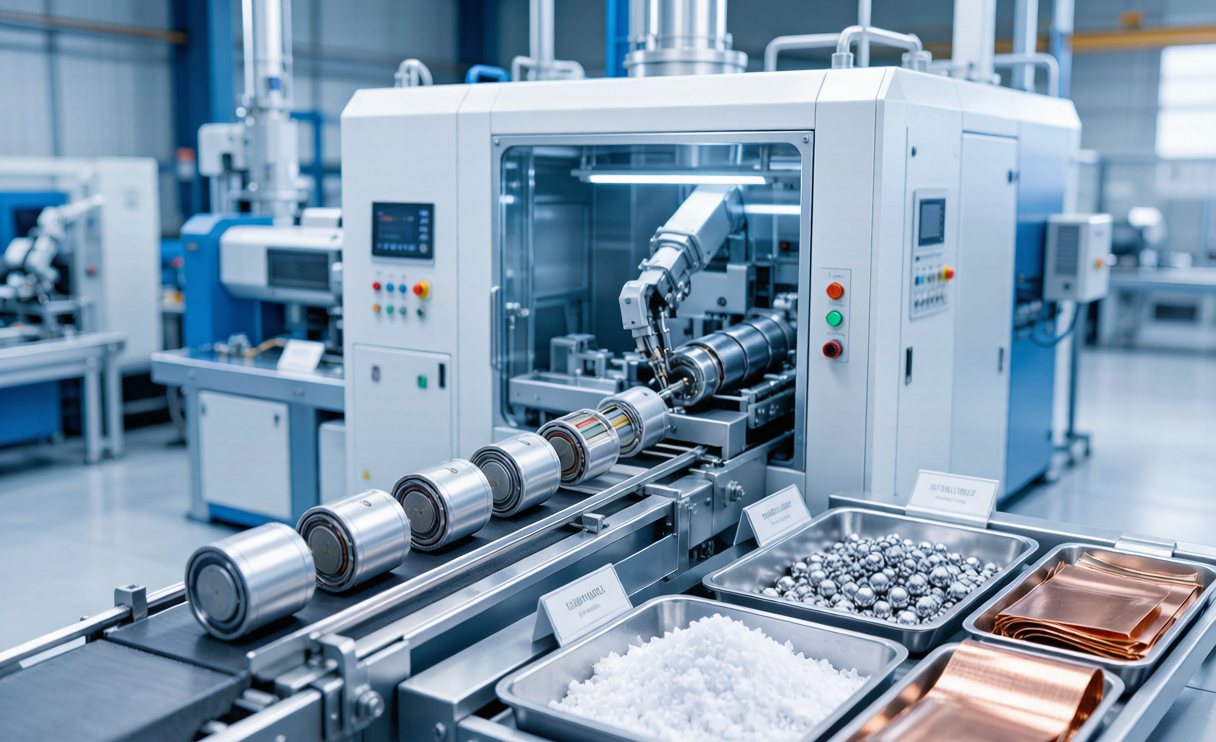
In this article I will walk through how we actually recover material from a semi-solid state battery, why the semi-solid format behaves differently from both liquid lithium-ion and true ceramic solid-state battery designs, and what recovery rates an engineer can realistically promise a customer today.
Why Semi-Solid State Battery Recycling Matters Now
The volume of retired lithium battery packs is climbing faster than most recyclers planned for. By the time a drone, an energy storage cabinet, or an industrial robot reaches its second or third battery swap, the pack is a concentrated store of lithium, nickel, cobalt, copper, and aluminum. If we landfill it, we lose strategic material and create a fire risk. If we recycle it well, we close a loop that insulates our customers from raw-material price swings.
For a B2B manufacturer like Horizon Power, recycling is also a commercial lever. Buyers in the EU and North America now ask about battery passport data and recycled-content declarations before they sign a supply contract. A custom battery solution that documents its recovery pathway is simply easier to sell.
There is also a raw-material security angle I cannot ignore. Nickel and lithium prices have swung hard in recent years, and a drone battery program with a five-year fleet plan cannot absorb that volatility quietly. Recovering material in-region shortens the supply chain and reduces exposure to single-source mining. When a customer asks me how to de-risk their battery spend, I now answer with a recovery loop, not just a cheaper cell.
What Makes Semi-Solid Electrolytes Different to Recycle
A semi-solid state battery sits between a conventional liquid-electrolyte lithium battery and a fully ceramic solid-state battery. Our cells use a gel-like or composite electrolyte with reduced free solvent, which changes the recycling math in two ways.
- Lower free solvent means lower off-gas risk. Discharging and shredding a liquid cell can release flammable vapors. With semi-solid chemistry, the thermal runaway window is wider, so mechanical pre-treatment is safer.
- The cathode is still a conventional layered oxide. We run NMC and LFP cathodes, so the valuable metals are the same ones the recycling industry already knows how to recover — the difference is in the separator and electrolyte handling, not in the active material itself.
This is the key engineering point: a true ceramic solid-state battery may one day need a completely new recycling route, but a semi-solid state battery can largely use today’s hydrometallurgical and direct-recovery lines with modified pre-treatment.
Concretely, our semi-solid cells still use a polyolefin or ceramic-coated separator rather than a brittle dense electrolyte, so they survive mechanical shredding without the dusting and ceramic fracture problems that plague sulfide solid-state battery chemistries. That single design choice is why our returned packs flow through a standard shredder-class line instead of requiring a bespoke crushing process. It keeps recovery cost per kilogram in a range our customers can actually budget for.
The Recovery Pathway: From Discharged Pack to Black Mass
In our process, a returned pack goes through six engineering stages. I want to be clear that none of this happens at the customer site — we contract with licensed treatment facilities and feed them packs that are already discharged and documented, which keeps everyone compliant with transport and environmental rules.
- Safe discharge. We bring every module to a defined low state of charge under a controlled load, verified before any casing is opened. This step is mandatory under transport and handling rules.
- Mechanical dismantling. Cases, busbars, and cooling plates are removed. Copper and aluminum are pulled out early because they are clean and high value.
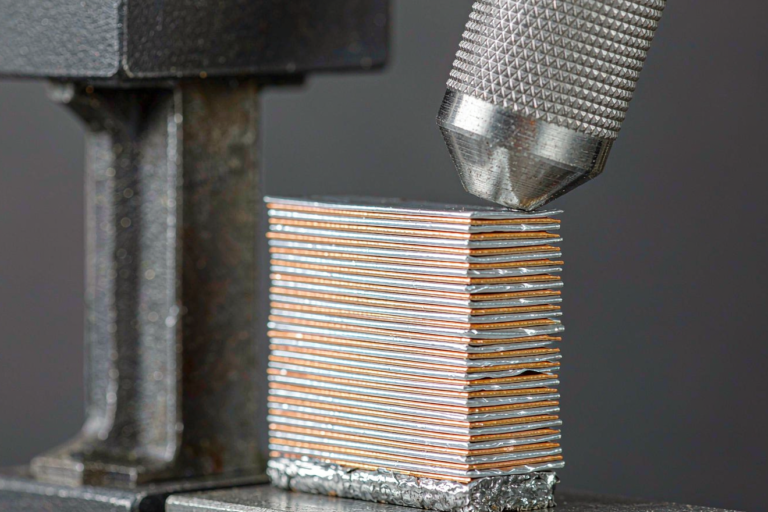
- Electrode separation. The semi-solid separator and coated foils are delaminated. Because free solvent is low, this step produces far less aqueous waste than a wet liquid cell.
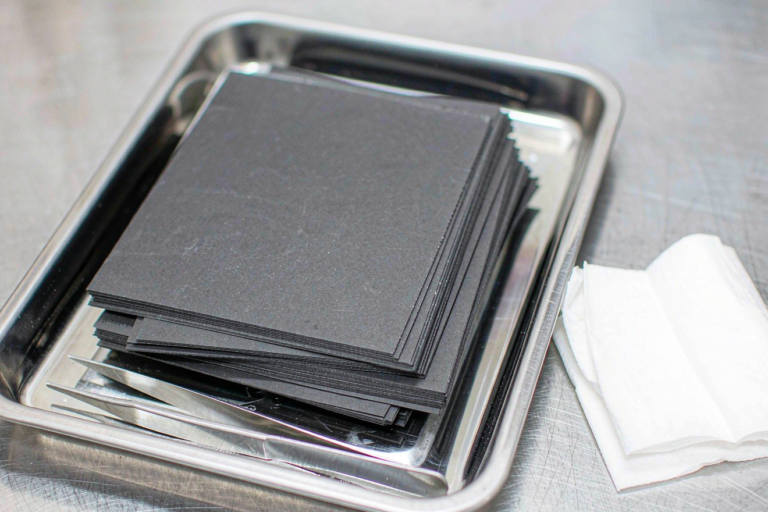
- Size reduction and classification. The active material is milled and sieved into what the industry calls “black mass” — a fine powder rich in lithium, nickel, cobalt, and manganese.
- Leaching and purification. We use a hydrometallurgical route with selective leaching, solvent extraction, and crystallization to separate the metals as high-purity salts.
- Direct cathode healing (where applicable). For LFP and some NMC returns, we apply direct recycling that relithiates and regenerates the cathode active material without dissolving it — the highest-value path.
Reclaiming Lithium, Nickel, and Cathode Active Materials
The numbers I quote to customers are conservative, field-validated figures, not lab best-cases:
- Nickel and cobalt: recovery above 95% is routine on hydrometallurgical lines.
- Lithium: recovery has improved sharply. Where older pyrometallurgy lost most of the lithium to slag, modern hydrometallurgical and direct routes recover 80–90% of the lithium as battery-grade carbonate or hydroxide.
- Copper and aluminum: above 90% as clean metal, ready for remelting.
- Cathode active material: direct recycling can return 90%+ of the original cathode performance in regenerated form, which is why we prefer it for LFP returns.
For a semi-solid state battery built on an NMC811 cathode, that means the bulk of the nickel and most of the lithium can re-enter cell production. The economics flip from “cost of disposal” to “recovered feedstock.”
The chemistry choice matters here. An LFP semi-solid cell has no nickel or cobalt to recover, but its lithium and iron-phosphate cathode are excellent direct-recycling candidates, and LFP is dominant in stationary storage where volumes are huge. An NMC cell carries more embedded metal value per kilogram but needs careful cobalt handling. When I advise a customer on chemistry, I weigh not just energy density and cycle life but also what their local recycler can actually process — a point that often gets skipped in datasheets.
Engineering Standards and Safety in Battery Recycling
Recycling does not happen in a regulatory vacuum. The standards I design against include:
- UN38.3 — the transport safety test regime. Even a spent cell must pass the relevant provisions before it moves, which is why our discharge step is documented and traceable.
- IEC 62133-2 — secondary cell safety, referenced for characterization of returned cells.
- IEC 62619 / IEC 63056 — industrial and stationary storage cell safety, relevant because many of our semi-solid returns come from energy storage and industrial robotics.
- UL 1973 — stationary and motive battery safety, commonly required by North American buyers.
- EU Battery Regulation 2023/1542 — sets recycled-content thresholds and a digital battery passport, pushing recovery data into the design phase.
We also align our handling notes with the spirit of FAA Part 107 and EASA SC-VTOL guidance for any returned aviation cells, because a drone battery that is retired from a fleet still carries air-transport restrictions until it is processed.
Designing Cells for Easier Recycling (and Custom Battery Solutions)
The biggest recovery gains come not from the recycling plant but from the drawing board. When we scope a custom battery solution, we now ask three recycling questions up front:
- Can the enclosure be opened without destroying the cells?
- Are the materials mono-material where possible, so sorting is trivial?
- Is the cathode chemistry one our recovery partners can handle at scale?
A semi-solid state battery is a good fit here because the low free-solvent design simplifies dismantling and the cathodes are mainstream. We mark cathode chemistry and electrolyte type on the pack label and in the passport data so a recycler spends seconds, not hours, identifying the stream.
I will give one concrete example. On a recent industrial robotics pack, we replaced a glued aluminum enclosure with a clip-fastened version and added a printed cathode-code tag. Dismantling time dropped from roughly twelve minutes per pack to under four, and the recovered aluminum stayed clean enough to skip re-smelting. Small design decisions like that compound across a fleet of thousands, and they are exactly the kind of thing a recycling-aware engineer builds in from revision one.
FAQ
How is a semi-solid state battery different from a solid-state battery in recycling?
A solid-state battery uses a ceramic or sulfide electrolyte and often lithium-metal anode, which may need entirely new recycling chemistry. A semi-solid state battery keeps a conventional oxide cathode and reduced-solvent electrolyte, so it slots into existing hydrometallurgical and direct-recovery lines with modified pre-treatment rather than a brand-new plant.
What recovery rate can engineers realistically achieve?
For nickel and cobalt, above 95% on hydrometallurgical routes. For lithium, 80–90% with modern processes, versus a fraction in old pyrometallurgy. Copper and aluminum exceed 90% as clean metal. Direct recycling can return over 90% of original cathode performance for LFP returns.
Is lithium battery recycling economically viable today?
Yes, for high-nickel NMC and LFP streams where metal prices and regulatory pressure support it. The math improves as collection volumes rise and direct-recycling scales, which is exactly the trend we see across industrial and storage fleets.
Which standards apply to recycled semi-solid cells?
UN38.3 for transport of spent cells, IEC 62133-2 for cell safety characterization, IEC 62619/IEC 63056 for industrial and stationary use, UL 1973 for North American buyers, and the EU Battery Regulation 2023/1542 for recycled-content and passport requirements.
Can Horizon Power provide a custom battery solution designed for recycling?
Absolutely. We routinely design custom battery solution packs with recyclability built in — mono-material enclosures, labeled cathode chemistry, and documentation that feeds directly into our customers’ recovery and compliance workflows.