Semi-Solid State Battery Supply Chain and Key Materials: What Engineers Track From Mine to Cell
When buyers ask me what really separates a semi-solid state battery from a conventional lithium battery, I tell them to stop looking at the spec sheet and start looking at the bill of materials. After fifteen years on the cell engineering floor, I have learned that the performance you read about in a brochure is decided long before the cell is assembled — it is decided in the mine, in the cathode reactor, and in the gel electrolyte tank. This article walks through the key materials and the supply chain I track every week as a senior lithium battery engineer, because a resilient semi-solid state battery supply chain is what keeps your production line running when the market gets volatile.
The Material Backbone of a Semi-Solid Cell
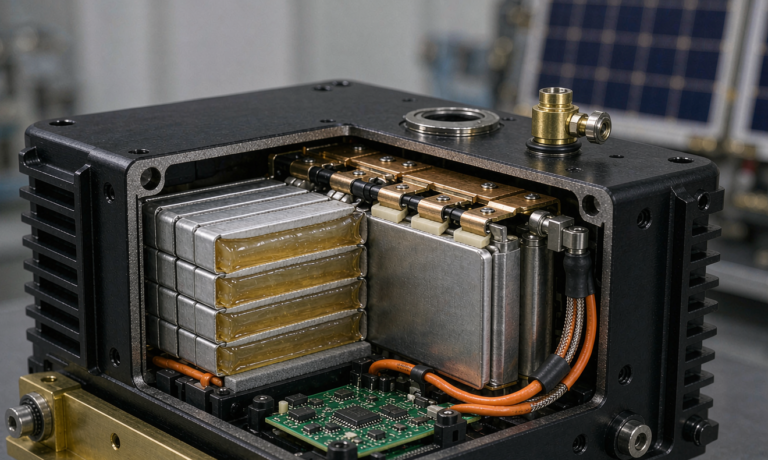
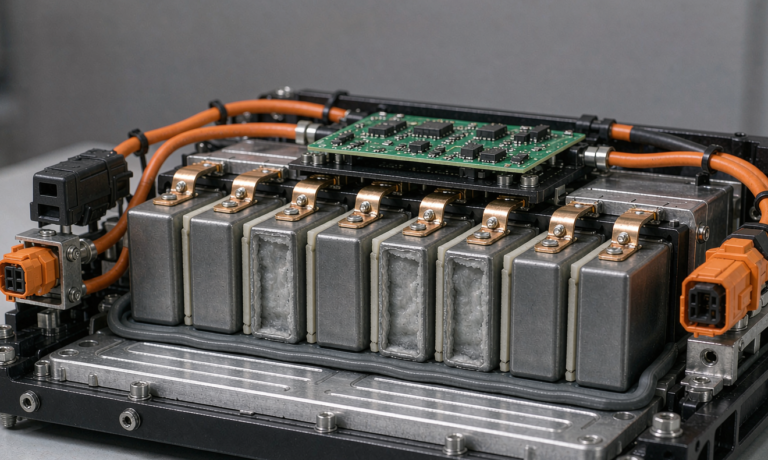
A semi-solid state battery sits in the sweet spot between a liquid-electrolyte lithium-ion cell and a fully solid-state cell. Mechanically, it still uses a separator and stacked or wound electrodes, but the liquid solvent is largely replaced by a gel polymer electrolyte that holds the lithium salt in a semi-rigid network. That single design choice changes the material requirements across the whole pack.
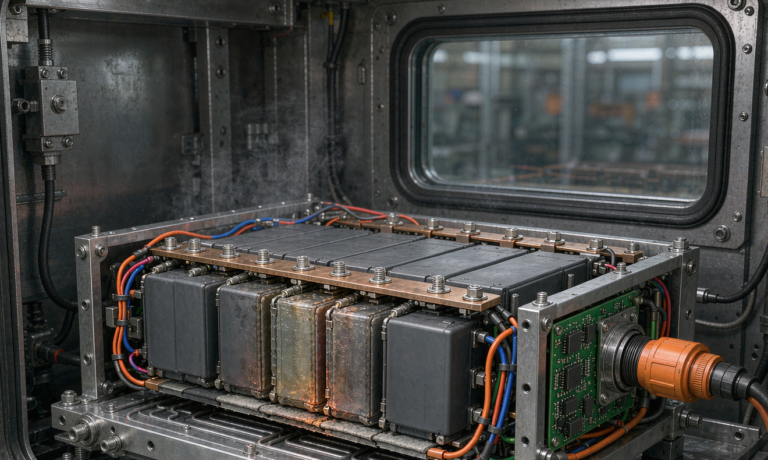
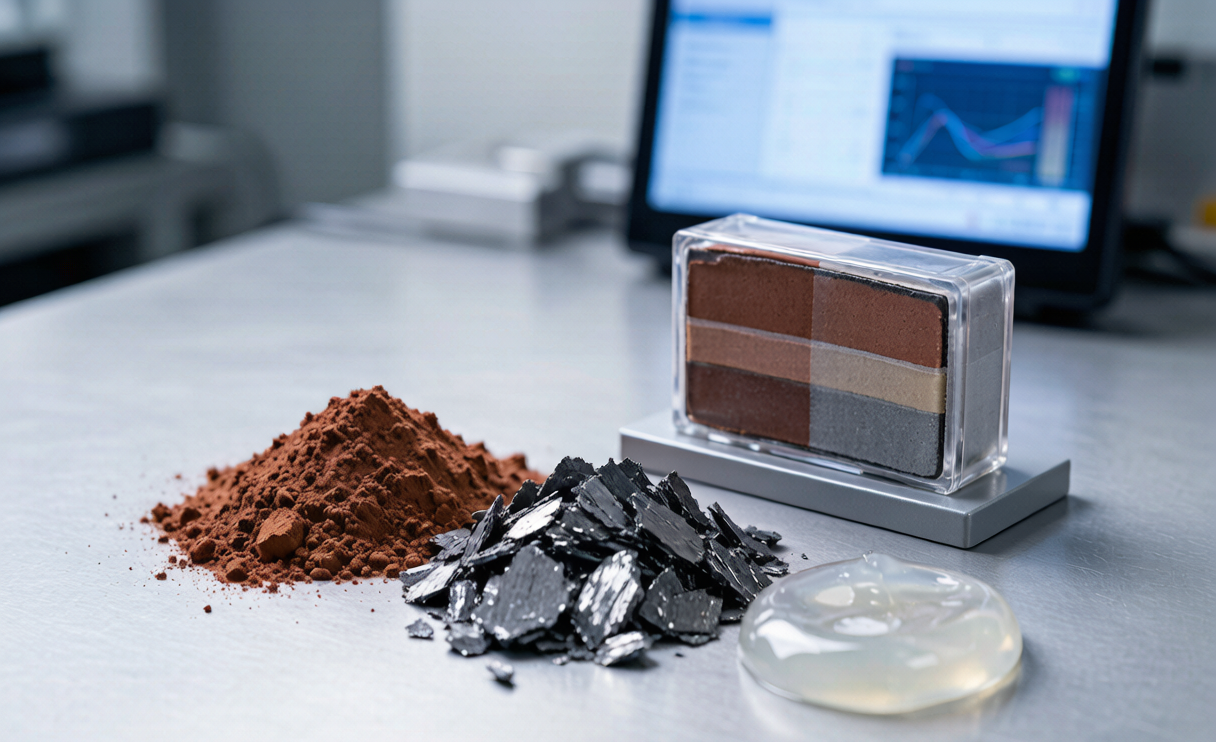
From an engineering standpoint, the four material families I watch most closely are: the cathode active material, the anode active material, the gel polymer electrolyte, and the current collectors plus binder system. Each one has its own suppliers, its own price volatility, and its own certification path. In a mature lithium battery program you can take these for granted; in semi-solid production, where volumes are still ramping, every one of them deserves a risk score.
Cathode Choices and the Nickel Question
Most semi-solid cells I have evaluated use a layered oxide cathode — typically NMC (nickel manganese cobalt) or NCA (nickel cobalt aluminum) chemistries — because the higher nickel content is what unlocks the 300+ Wh/kg energy density that makes the format attractive. We routinely see NMC811-class cathodes (roughly 80% nickel) delivering the capacity targets our customers need for long-endurance drones and premium electronics.
The catch is nickel. Nickel sulfate supply is concentrated, and its price swings with both EV demand and energy policy. As an engineer, I mitigate this two ways. First, I qualify at least two cathode vendors per chemistry so a single plant outage does not stop a line. Second, I keep a close eye on manganese-rich and cobalt-lean formulations, which are slowly gaining ground as a cost and ethics play. The key point for any buyer is simple: ask your supplier which cathode chemistry is inside the cell, and ask how many qualified sources they hold. A custom battery solution that depends on a single nickel source is a supply chain with a single point of failure.
The Gel Polymer Electrolyte — The Material That Defines the Chemistry
If there is one material that makes or breaks a semi-solid state battery, it is the gel polymer electrolyte. In a traditional lithium battery the electrolyte is a free-flowing liquid; in semi-solid cells we immobilize the lithium salt inside a polymer host — commonly polyvinylidene fluoride (PVDF), poly(methyl methacrylate) (PMMA), or a polyether-based network. The result is a sticky, semi-rigid gel that dramatically reduces leakage and dendrite propagation while keeping ionic conductivity high enough for real-world discharge.
From a sourcing view, the gel electrolyte is both an opportunity and a risk. It is a formulated material, not a mined commodity, which means the real IP and the real supply risk sit with the electrolyte house that tunes the polymer ratio, the plasticizer, and the lithium salt (usually LiPF6 or a bis(fluorosulfonyl)imide variant). I always ask for the electrolyte formulation dossier and the ionic conductivity curve at -20°C and +55°C. A solid-state battery competitor may promise higher conductivity, but in 2026 the semi-solid gel is the version that actually ships at scale, and the gel supplier is a name you need on your vendor map.
Anode Path: Graphite Today, Silicon Tomorrow
On the anode side, most semi-solid production still relies on artificial graphite, the same workhorse you find in conventional cells. Graphite is mature, cheap, and well understood for formation and SEI (solid electrolyte interphase) control. But the energy-density race is pushing anode teams toward silicon-dominant blends — silicon oxide or nanostructured silicon at 5% to 20% loading — because silicon’s theoretical capacity is roughly ten times that of graphite.
The supply chain wrinkle is that high-quality synthetic graphite and battery-grade silicon both have their own geopolitical exposure. I track synthetic graphite from two regions and keep a silicon-anode qualification track open even if we are not in volume production yet. For B2B buyers, the practical advice is to confirm whether your cell uses natural or synthetic graphite and whether silicon is in the roadmap, because that decision shapes both the energy density and the long-term material cost of your pack.
From Mine to Cell: Mapping the Supply Chain Risks
When I build a supply chain risk map for a semi-solid program, I score each material on three axes: concentration of supply, price volatility, and certification lead time. Here is the simplified version I use with procurement teams.
- Nickel / cobalt (cathode): High concentration risk, high price volatility. Mitigate with dual sourcing and cobalt-lean chemistries.
- Gel polymer electrolyte: Low commodity risk but high formulation risk. Mitigate by qualifying the electrolyte house and locking the formulation revision.
- Graphite / silicon (anode): Medium risk. Mitigate with regional dual sourcing and a silicon roadmap.
- Current collectors (copper / aluminum foil): Low risk but volume-sensitive. Mitigate with annual framework agreements.
- Binders and separators: Low commodity risk, medium qualification risk. Mitigate by tracking IEC 62133-2 and UL 1642 test alignment.
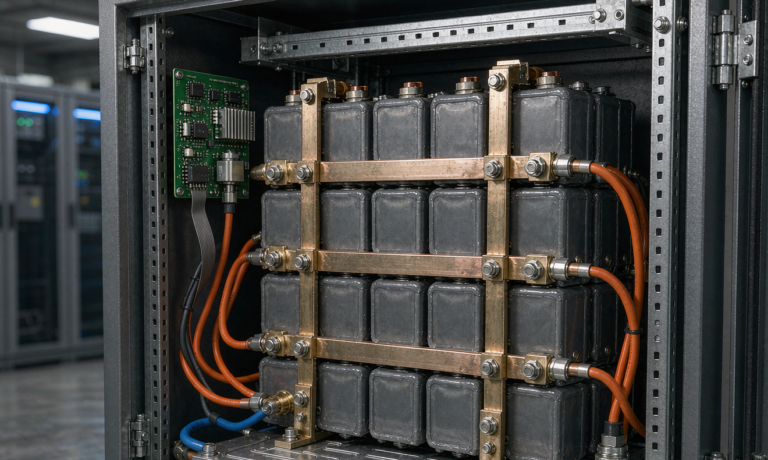
Every one of these materials has to clear the same safety baseline before it goes into a shippable cell. In our program that means UN38.3 T.1 through T.8 transportation testing, IEC 62133-2 for portable cells, and IEC 62619 plus UL 1973 for stationary and industrial modules. If a material change could shift the thermal behavior, the whole cell re-enters the test queue.
Why a Resilient Supply Chain Matters for B2B Buyers
B2B buyers rarely feel a supply chain problem until it becomes a line-down event. I have seen drone manufacturers miss a delivery window because a single cathode batch failed incoming inspection, and I have seen telecom customers delay a tower rollout over a gel electrolyte shortage. The semi-solid format is still ramping, so dual sourcing is not a nice-to-have — it is the difference between a 4-week lead time and a 4-month apology.
My recommendation to any procurement team is to request a material traceability statement with every quote, verify that the supplier holds the relevant UN38.3 and IEC certifications, and confirm their air-transport readiness under FAA and EASA rules if you ship cells internationally. A trustworthy lithium battery partner will hand you this documentation without hesitation. If they cannot, that is your signal to keep looking.
FAQ
What are the main raw materials in a semi-solid state battery?
The core materials are a layered oxide cathode (usually high-nickel NMC or NCA), a graphite or silicon-blend anode, a gel polymer electrolyte that immobilizes the lithium salt, and copper and aluminum current collectors. Binders and a microporous separator round out the bill of materials. The gel electrolyte is the defining material that separates semi-solid cells from both liquid lithium-ion and fully solid-state designs.
Is the semi-solid state battery supply chain exposed to the same material risks as lithium-ion?
Largely yes for the cathode and anode — nickel, cobalt, graphite, and silicon carry the same geopolitical and price risks. The difference is the gel electrolyte, which is a formulated material rather than a mined commodity, so its risk profile is about formulation control and supplier qualification rather than raw ore concentration.
How do I reduce supply chain risk when sourcing semi-solid cells?
Require dual sourcing for cathode and anode materials, lock the electrolyte formulation revision with your supplier, request a material traceability statement, and verify UN38.3, IEC 62133-2, IEC 62619, and UL 1973 certifications. For international air freight, confirm FAA and EASA transport compliance. These steps turn a fragile single-source chain into a resilient one.
Does using silicon in the anode change the supply chain?
Yes. Silicon-anode blends improve energy density but add a new material with its own sourcing and qualification burden. Battery-grade silicon is less mature than synthetic graphite, so I treat it as a roadmap item: qualify it early, but keep graphite as the volume workhorse until silicon supply and formation yield are proven at scale.