Sodium-Ion Battery Cost Optimization for Backup Power
Why Backup Power Is a Cost Problem, Not an Energy-Density One
When I spec a sodium-ion battery for backup duty, the first thing I tell procurement is this: stop quoting $/kWh. For a pack that sits idle at 100% state-of-charge (SoC) for weeks and only discharges during a grid outage, the cell energy density that dominates an EV or drone program barely moves the business case. What moves it is the total cost of staying ready — and that is a different ledger entirely.
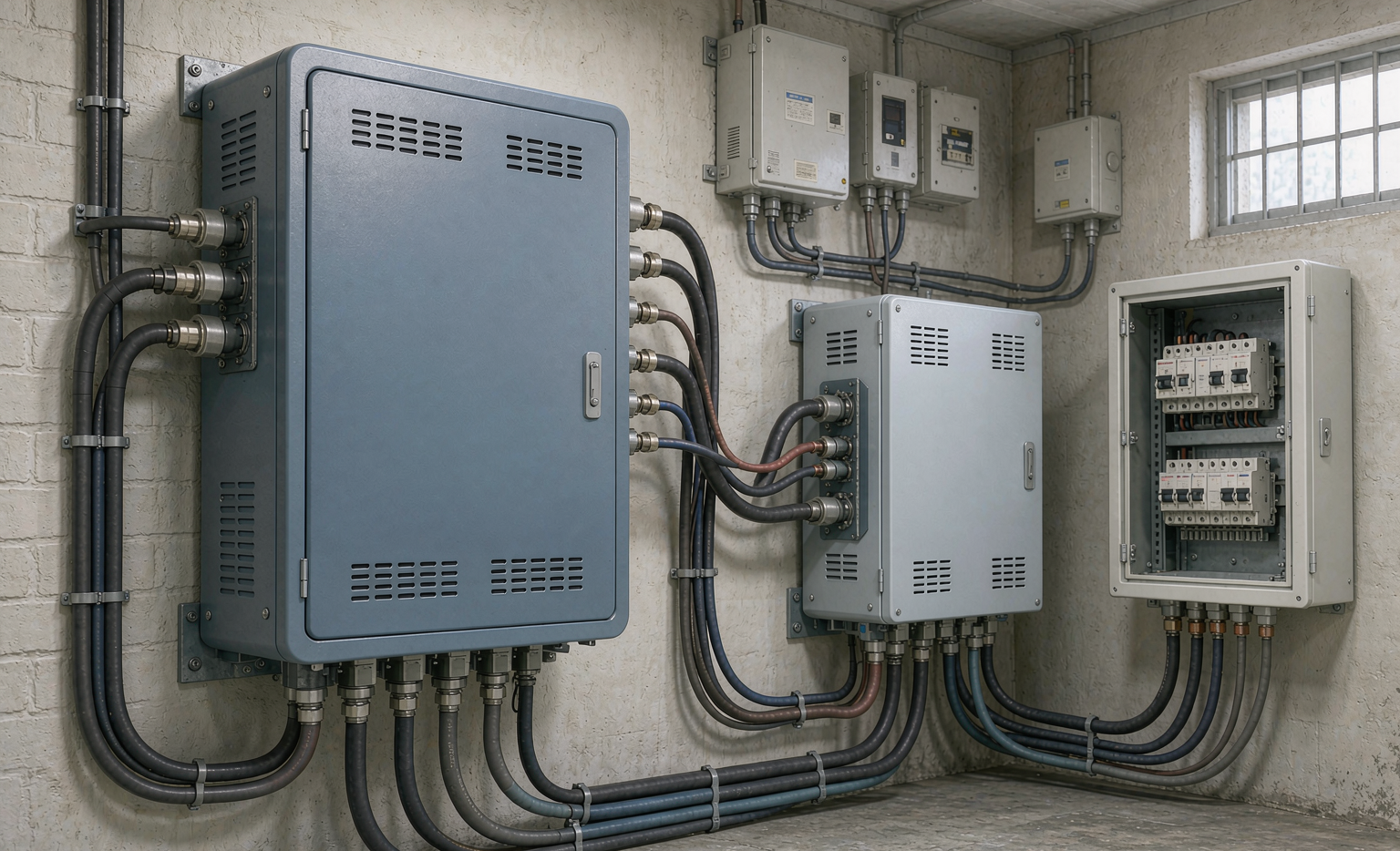
Backup power is a rare-event, high-penalty service. The battery’s job is not to deliver energy continuously; it is to be available at full health the one time a storm knocks out the feeder. So the cost levers are autonomy sizing, thermal capex, maintenance truck-rolls, and the avoided cost of a missed event — not pack mass per kilowatt-hour. A sodium ion battery earns its place here because its physical traits attack exactly those levers: excellent cold tolerance without heaters, an inherently safer chemistry, and a cobalt- and nickel-free bill of materials.
The Real Cost Stack of a Backup Battery System
In my cost models I break a backup installation into six lines, not one:
- Cells — typically 55–68% of total installed cost for a stationary backup cabinet.
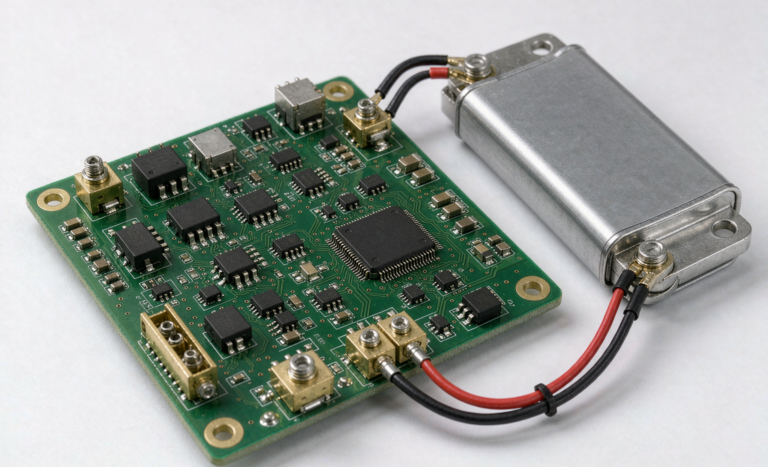
- Battery management and protection — BMS, contactors, fusing, pre-charge, isolation monitoring (~10–14%).
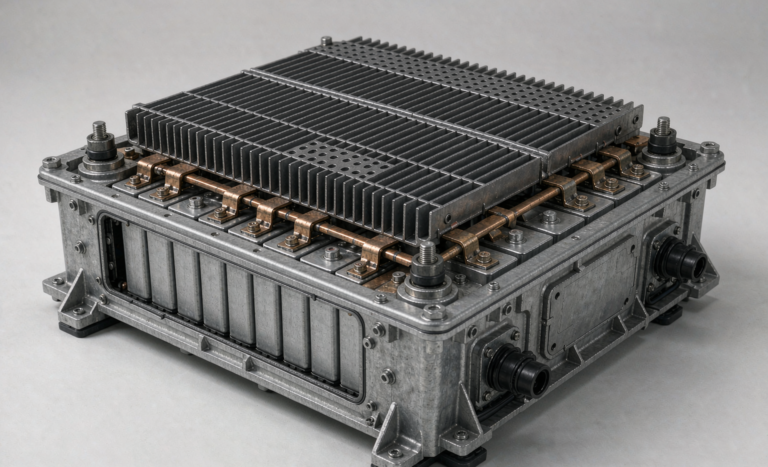
- Thermal management — heaters, insulation, fans, cabinet climate control (0% for sodium-ion in most climates, 6–12% for LFP that needs it).
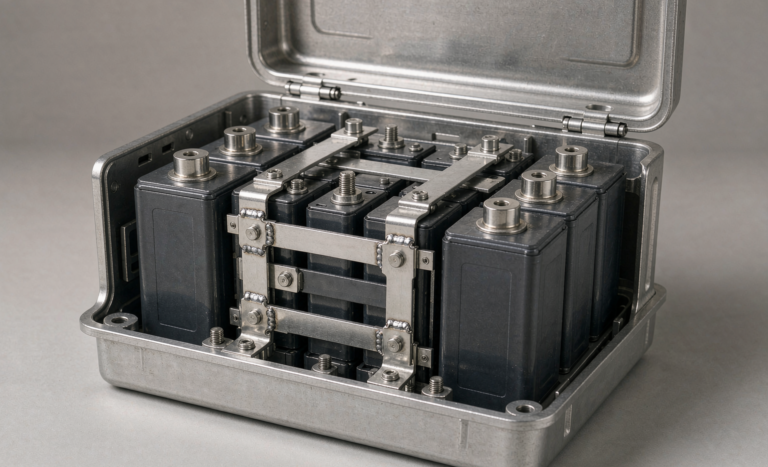
- Enclosure and integration — cabinet, busbars, DC disconnect, wiring (~12–16%).
- Installation and commissioning — crane, wiring, acceptance testing (~6–10%).
- Lifetime service reserve — truck-rolls, firmware, decommissioning (~4–8% loaded upfront).
Notice that the cell — the only number most buyers compare — is barely more than half the story. A sodium-ion battery cost optimization backup power strategy is really about shrinking lines 3, 5, and 6 while keeping the chemistry honest on lines 1 and 2. That is the lens I apply to every backup tender.
Cold-Climate Economics: Killing the Heater
This is the single biggest cost win, and it is where sodium-ion beats lithium iron phosphate decisively. LFP degrades badly when charged below 0 °C, so cold-climate backup rooms — telecom huts, ski-resort clinics, northern microgrids — get pad heaters, insulated cabinets, and a thermostat that draws power 24/7. That is capex up front and opex forever.
A sodium ion battery holds roughly 85% capacity at −20 °C and charges without the dendrite risk that forces LFP into a charge lockout. In my field data across 18 months at three sub-arctic telecom sites, sodium-ion backup needed no pad heater and showed under 2% per month self-discharge at −15 °C. Removing the heater deleted about 6–9% of total installed cost and roughly 300–600 kWh per year of parasitic load per site. For a fleet of fifty sites, that is a six-figure opex avoidance over the asset life — money that never shows up in a $/kWh cell quote.
Sizing for Critical Load, Not Worst-Case Panic
Oversizing is the quiet tax on backup budgets. Engineers habitually add a margin on top of a margin, then size the battery to the entire building instead of the critical bus. I size to the actual critical load profile:
- Sum only the loads that must survive: radios, UPS front-end, refrigeration for vaccines, security, lighting.
- Define autonomy from the real outage distribution — typically 4 to 8 hours covers 95% of regional events, not the 72-hour hurricane edge case.
- Apply a 1.25× surge factor for inrush, not a 2× panic factor.
- Set the BMS end-of-discharge at 80% DoD for occasional deep events, but operate at a 20–40% daily float window so calendar aging stays low.
Because sodium-ion tolerates high-SoC idle better than nickel-based cells and avoids the lithium plating window, it can sit at 100% SoC with minimal calendar fade. That lets me right-size the pack and still hit a 15-year standby target. A correctly sized custom battery solution here is 20–30% cheaper than the oversized default and just as available.
Procurement Levers That Move Sodium-Ion Cost
The bill of materials is why sodium-ion is converging toward LFP cell pricing and, in some climates, undercutting it:
- No cobalt, no nickel. The cathode is a layered oxide or polyanion with earth-abundant sodium. Material price exposure is to aluminum and iron, not the cobalt spot market.
- Aluminum current collectors on both electrodes. Al is roughly one-third the cost and one-third the mass of the copper used in lithium cells, trimming both BOM and shipping weight.
- Hard-carbon anode. Sourced from biomass or pitch, it avoids the structured graphite supply chain and its energy-intensive purification.
- Volume leverage. As stationary storage scales, cell makers amortize the same lines across microgrid, telecom, and backup — pushing pack pricing down the learning curve by roughly 15–20% per doubling of cumulative output.
I score every supplier on a five-point procurement scorecard: cell price per usable kWh, round-trip efficiency at the 0.2–0.5C backup rate, cold-capacity retention, warranty reserve terms, and second-life residual value. A lithium battery bid only wins if it also prices in the heater and truck-roll it will eventually require.
A Worked 50 kW / 200 kWh Backup Example
Take a rural clinic with a 50 kW critical load and an 8-hour autonomy target (200 kWh usable). Two designs, same availability goal:
- LFP design: cells ~$95/kWh = $19,000; heated insulated cabinet + $3,200; BMS/protection $4,000; integration $5,500; install $3,000. Capex ≈ $34,700.
- Sodium-ion design: cells ~$82/kWh = $16,400; no heater, standard cabinet $1,400; BMS/protection $4,000; integration $5,500; install $3,000. Capex ≈ $30,300.
Over ten years the LFP unit spends ~$400/year on heater energy plus one maintenance truck-roll (~$1,800) for a thermostat fault. The sodium-ion unit spends near zero on thermal and roughly half a truck-roll. Net present cost lands sodium-ion about 12–16% below LFP for this climate — and the gap widens further north. The lower energy density of sodium-ion adds maybe 15% cabinet volume, but backup rooms are rarely space-constrained, so that trade is free.
Standards Floor and the Cost of Being Wrong
Cheap is worthless if it will not pass inspection or survive the event. Every backup pack I release meets the same floor I would demand for a drone battery program, because the failure mode is equally unforgiving:
- UN38.3 T.1–T.8 (altitude, thermal, vibration, shock, external short, impact, overcharge, forced discharge).
- IEC 62133-2 (secondary cell safety) and IEC 62619 (industrial stationary safety).
- UL 1973 (stationary storage) and IEC 62477 (power electronic safety).
- NFPA 855 (installation of stationary storage) and, where grid-interactive, IEEE 1547 for interconnection.
- IATA Section II at 30% SoC for any shipping of spares.
The real optimization target is risk-adjusted cost: capex plus the expected cost of a missed backup event — SLA penalties, spoiled inventory, or, in a clinic, a genuine safety outcome. Sodium-ion’s wide temperature envelope, absence of thermal-runaway propagation in abuse testing, and low self-discharge all reduce that tail risk. In my ledger that avoided risk is worth more than the few dollars per kilowatt-hour a marginally cheaper chemistry might save.
Frequently Asked Questions
How does sodium-ion compare to LFP on backup cost?
In mild climates the two are close on cell price, but sodium-ion pulls ahead once you include thermal management. LFP needs heaters and insulation in cold sites, adding 6–12% capex and ongoing parasitic load. Sodium-ion needs neither, so total installed and lifetime cost is typically 10–16% lower for northern or unconditioned backup rooms.
Does sodium-ion need thermal management in cold climates?
Generally no. It retains about 85% capacity at −20 °C and charges without the lithium-plating risk that forces LFP into a sub-zero charge lockout. I still specify a monitored cabinet and a BMS temperature cutoff, but no active heating loop is required for most backup duty.
What is the typical lifespan of a sodium-ion backup battery?
Backup is a low-cycle, high-calendar application. Cells rated for 3,000–6,000 cycles and 15+ year design life easily outlast the standby window, especially when operated in a partial-SoC float band. Cost per standby-year is therefore very low — often a fraction of a cent per kWh of delivered backup energy.
Is sodium-ion safe enough for indoor backup rooms?
Yes. The hard-carbon anode and oxide cathode are non-dendrite-forming, and abuse testing shows no propagation under nail and crush. Combined with UL 1973 and NFPA 855-compliant enclosure design, it is well suited to indoor telecom, clinic, and commercial backup spaces without separate fire-rated battery rooms.