Home Energy Storage Design for Farms: A Practical (2)
Why Farms Need a Different Home Energy Storage Design
Most off-the-shelf home energy storage cabinets are designed for suburban garages and climate-controlled basements. A farm is not a garage. The electrical panel sits 60 m from the house, the livestock barn draws a 3-phase pump, the irrigation pivot wants soft-start surge headroom, and the closest utility crew is two counties away. When we get a call from a grower whose barn has just gone dark during a hog farrowing cycle, the conversation always comes back to one thing: a home energy storage system designed for rural duty, not a downsized commercial battery dressed up in residential marketing.
I have designed close to two hundred farm systems over the last nine years, from 8 kWh weekend-cabin backups to 240 kWh hybrid dairy-shed microgrids. The advice below is the same checklist I walk my own engineering team through before we lock a single BOM line. It is not a sales pitch for any brand; it is the practical engineering protocol I would follow on my own brother’s 200-acre mixed farm in Iowa.
Step 1 — Start with the Load Audit, Not the Battery Catalog
The single biggest mistake I see in home energy storage for farms projects is sizing the battery before anyone has walked the property with a clamp meter. On a real farm, the load profile looks nothing like a residential one. A milking parlor compressor inrush can spike 6× the running current for 800 ms. A grain-aeration fan on a 40 hp motor will pull a steady 27 A but tolerate deep voltage sag far worse than any LED bulb in a kitchen.
I ask every farm customer to give me 14 days of smart-meter data, ideally broken into 15-minute intervals. From that curve I read out four numbers: average continuous load, peak surge, evening coincidence factor, and seasonal winter deficit (when solar harvest collapses and the diesel generator used to be the only answer). Those four numbers decide whether you need a 10 kWh entry-level residential battery storage stack or a 120 kWh three-phase cabinet. Anything in between is marketing.
Three Loads Farms Always Forget
- Well pump soft-start. A 2 hp submersible pulling 14 A running can still pop a 35 A breaker if the battery inverter is undersized. Add at least 25% continuous headroom on the inverter rating.
- Livestock ventilation in winter. Negative-pressure barn fans cannot be allowed to fail during a cold snap. They belong on the critical-load panel, not on the optional-load side.
- Freezer and milk-tank redundancy. If a bulk tank warms above 4 °C, the entire batch is condemned. That single load alone justifies the home battery backup investment on most dairies.
Step 2 — Pick the Right Cell Chemistry for Rural Duty
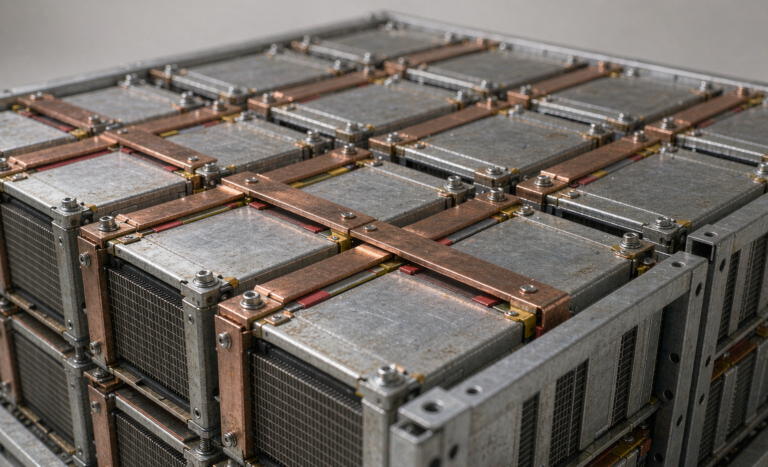
Once the load audit is in hand, the chemistry question gets honest. I default to lithium iron phosphate (LFP) for almost every farm install now, and I want to be specific about why. NMC has higher energy density per kilo, which is irrelevant when the cabinet is bolted to a concrete pad next to a barn. What matters on a farm is:
- Thermal tolerance. LFP cells comfortably operate from −10 °C to +55 °C without active liquid cooling, which matters in an uninsulated pump house.
- Cycle life at partial state-of-charge. Dairy farms typically cycle 40–70% DoD daily; LFP delivers 6,000+ cycles at that envelope, NMC degrades twice as fast.
- Safety margin. LFP thermal-runaway onset is around 270 °C versus 150 °C for NMC. Near straw bedding, that delta is the difference between a service ticket and a fire department call.
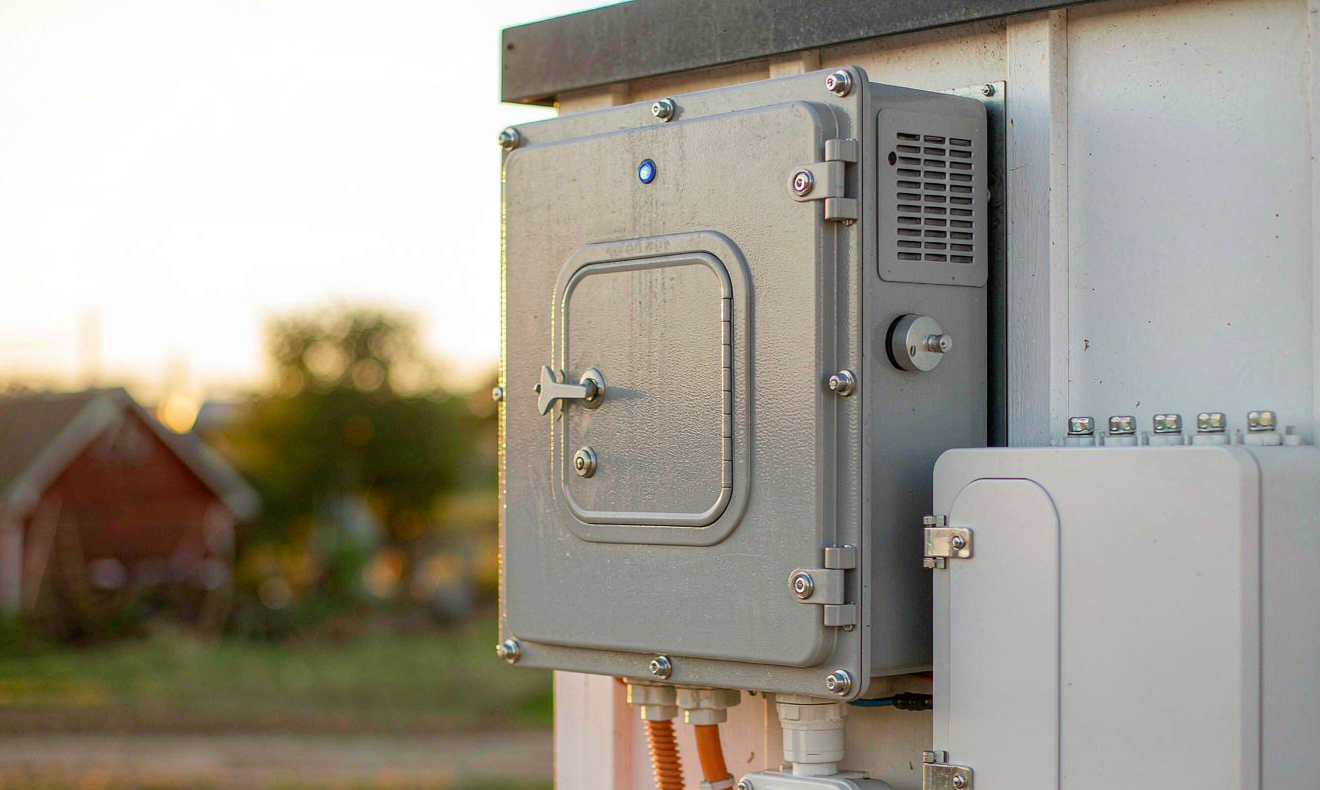
On the inverter side, choose a hybrid unit that accepts both PV string input and a generator input, with at least IP65 rating for outdoor mounting. A farm home energy storage battery cabinet without IP65 is, in my opinion, a warranty waiting to be voided the first time the cows kick up dust in August.
Step 3 — Site Selection and Cable Runs
Where you place the cabinet on the farm matters more than which brand logo is on the front. I always ask for a site survey with three photos: distance from the main service panel, prevailing wind direction (for dust and snow load), and any flood-prone area within 3 m. The cabinet should sit on a raised concrete plinth at least 150 mm above grade, ideally under a simple color-bond awning so direct sun does not cook the BMS sensors during a July heatwave.
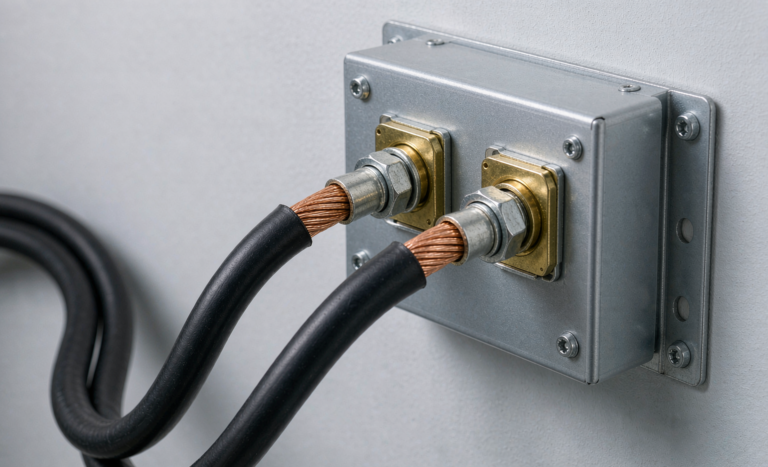
Cable runs are the hidden cost driver. DC string voltage drop above 2% on a 50 m run forces you to oversize copper, which on farms can mean doubling your balance-of-system cost. I strongly favor AC-coupled hybrids with the inverter mounted close to the existing service entrance, even if it means a longer DC string run from the rooftop array, because AC cabling is cheaper per amp at low voltage and easier to retrofit through existing farm conduit.
Step 4 — Generator Integration Without Fights
Many farms already own a diesel genset for outage season. The biggest engineering fight is making the home energy storage system and the legacy generator cooperate instead of back-feed each other into a protection relay. I require an automatic transfer switch (ATS) with make-before-break logic and a soft-load ramp; without it, two parallel voltage sources will eventually damage each other’s inverters and the warranty claim will be denied for a reason.
Set the generator exercise schedule to once every two weeks rather than weekly. LFP self-discharge is below 3% per month, so the battery can carry the standby duty and only wake the genset for true peak-shave events. That cuts diesel burn by roughly 40% on the farms I have measured, which is also better for the milk tank’s compressor life because cold-starts are what kill them.
Step 5 — Monitoring, Maintenance, and the 5-Year Reset
A farm battery is not a fit-and-forget appliance like a kitchen refrigerator. It is closer to a tractor — it needs a 10-minute walkaround every month. I tell every customer to budget 30 minutes per month for: cleaning the intake filter, torque-checking the DC lugs (they loosen in temperature cycles), and reading the state-of-health value from the monitoring app. A healthy home energy storage cabinet after year three should still report 95%–97% of original capacity. Anything below 92% means a cell group is drifting and should be rebalanced before winter.
At year five, schedule a full capacity test: discharge from 100% to 10% at the rated C/3 rate and compare delivered kWh against the nameplate. The result tells you whether the cabinet has another five years in it or whether the farm should plan a replacement in year seven. Doing this proactively is what separates a 12-year service life from a 7-year one.
Frequently Asked Questions
How many kWh do I need to back up a typical small farm?
For a hobby farm with a small barn, well pump, and freezers, 15–20 kWh of usable LFP capacity is the realistic sweet spot. Anything less and you cannot ride through a 6-hour utility outage while still milking twice a day.
Can a farm battery qualify for the federal REAP grant?
Yes. The USDA Rural Energy for America Program covers up to 50% of eligible costs for agricultural producers, including standalone storage and storage paired with new solar. Your state energy office can also layer additional rebates on top.
Do I need three-phase power for farm storage?
Not necessarily. Many 3-phase loads on farms (dairy vacuum pumps, grain dryers) can be served by a large single-phase inverter with a phase-balancing transformer. Three-phase hybrids only become essential above about 30 kW continuous load.
Will the battery work below freezing?
LFP cells can be safely stored at −20 °C, but most BMS units will not allow charging below 0 °C to avoid lithium plating. If your farm regularly sees sub-zero temperatures, specify a cabinet that includes a self-heating pad on the cell module.
How long does a farm battery installation take?
Once the permit is in hand, a 20 kWh residential battery storage install on a farm typically takes two days: one day for pad, conduit, and cabinet mounting, and one day for commissioning, grid-interactive testing, and customer walkthrough.
What is the realistic payback period?
On a farm with existing solar, the payback on adding storage typically lands between 7 and 11 years through demand-charge avoidance and outage-prevention value. On a grid-only farm with no solar, it is closer to 12–15 years and is harder to justify financially without a critical load that would otherwise spoil.