Sodium-Ion Battery Cost per kWh vs LFP
I have spent the last decade on factory floors and inside qualification labs, and if there is one question that now dominates every procurement call I take, it is this: how does the sodium-ion battery cost per kWh really stack up against LFP in 2026? Buyers are no longer asking whether sodium-ion works — field deployments from telecom towers to forklifts and home energy storage cabinets have settled that. What they want now are hard numbers, validated cells, and a defensible total-cost-of-ownership model. In this article I will walk through the real 2026 pricing we see on the production line, where sodium-ion already beats legacy lithium battery chemistries on delivered cost, and where LFP still holds the economic edge.
Why Cost per kWh Became the Decisive Metric
For years, energy density ruled battery buying. In 2026, with raw-material volatility and sustainability mandates front and center, procurement teams have shifted to levelized cost per usable kWh over the system lifetime. A battery that is 15 percent cheaper per kWh at the cell level, survives 20 percent more cycles in your duty profile, and needs no cobalt or nickel supply hedging, can win a total-cost race even when it is heavier and lower in energy density. This is exactly the lens through which sodium-ion and LFP should be compared, and it is the lens our engineering team uses when we help a client choose a chemistry.
2026 Price Reality: Sodium-Ion vs LFP on the Factory Floor
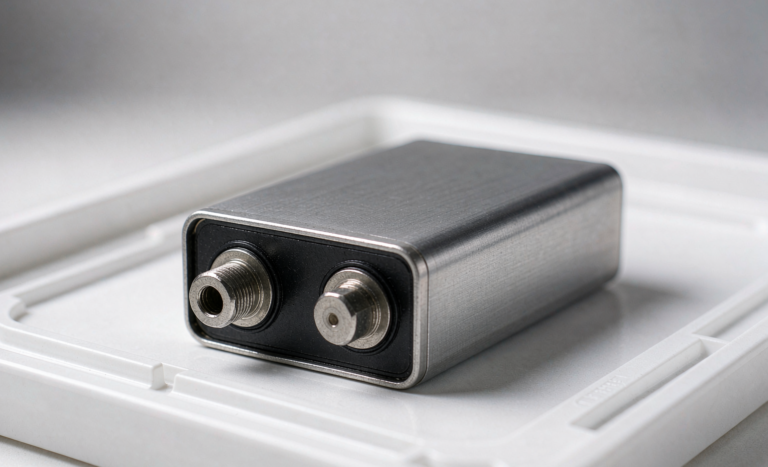
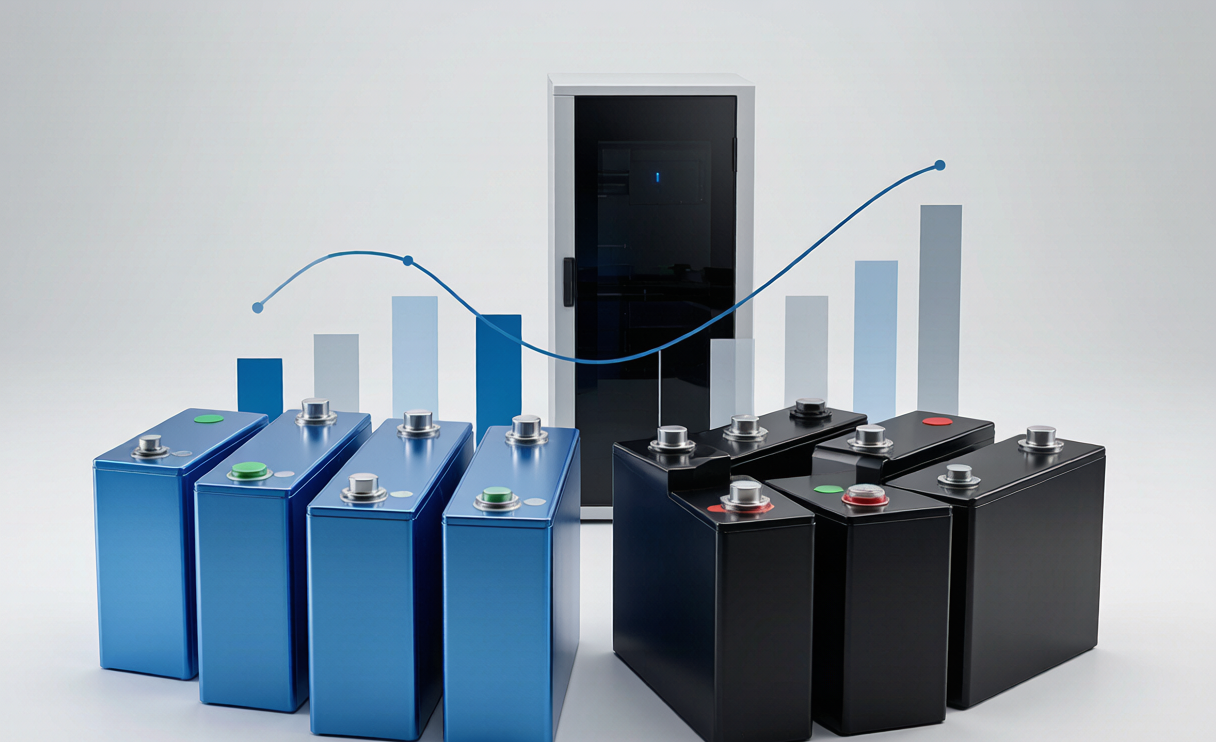
Let me give you the figures we actually quote today. Large-format prismatic LFP cells for stationary and light-mobility use are running roughly $70 to $90 per kWh at the cell level in 2026, down from about $110/kWh back in 2022. Sodium-ion prismatic cells in comparable formats are now landing at roughly $60 to $80/kWh. That is a meaningful gap, and it widens when you strip out the cathode premium: a sodium-ion battery needs no lithium, nickel, or cobalt. The cathode is a layered oxide or polyanionic compound, the anode is hard carbon sourced from biomass or coal-tar pitch, and the active metal is sodium chloride — abundant and cheap.
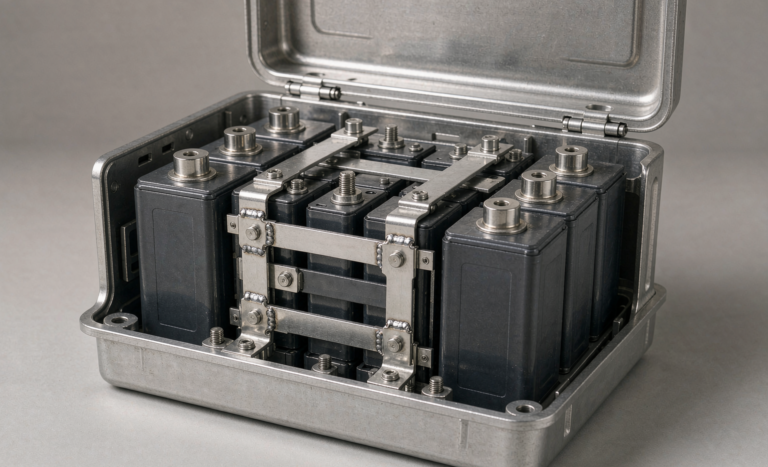
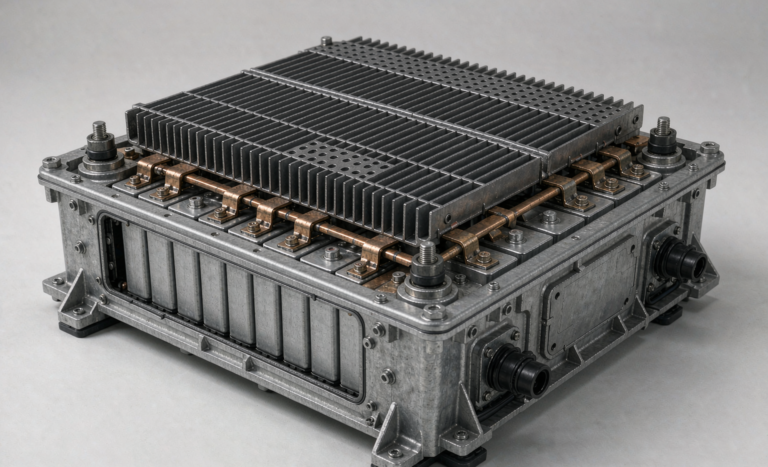
System-level numbers tell a similar story. A complete LFP home energy storage battery pack with BMS, enclosure, and thermal management typically lands at $150 to $220/kWh installed. Sodium-ion systems are arriving at $130 to $190/kWh for the same duty. The gap is not dramatic yet, but the trajectory is clear: sodium-ion cell pricing is falling faster than LFP because its supply chain starts from a near-zero material cost base and is not exposed to lithium carbonate spikes.
Lead times and minimum order quantities matter too. Because the sodium-ion supply chain is younger, some grades still carry longer qualification lead times, but for standard prismatic formats we are now quoting MOQs comparable to LFP, which removes what used to be a hidden cost barrier for smaller B2B buyers.
Where Sodium-Ion Wins on Total Cost of Ownership
Cost per kWh is never just the sticker price. Three factors push the sodium-ion battery ahead in specific applications:
- Cold-climate duty. Sodium-ion retains capacity at minus 20 degrees Celsius far better than LFP, which needs heating tapes and suffers self-discharge losses. In cold regions, the effective usable kWh you actually get from a sodium-ion battery is higher, which improves the real cost per delivered kWh.
- Safety margins. Sodium-ion is intrinsically more stable. We observe lower thermal-runaway risk, which trims the BMS and enclosure cost you must build in. Fewer protections, lower bill of materials, lower installed cost.
- Material hedge. No exposure to lithium carbonate or nickel price spikes. For a buyer signing a multi-year supply agreement, that removes a major unknown from the cost model and protects budget certainty.
Where LFP Still Holds the Economic Edge
Engineering honesty matters here. For high-energy-density needs — long-range drones, compact portables, and space-constrained installs — LFP still wins on the metric that counts for those products: energy per kilogram and per liter. If your enclosure volume is fixed, an LFP battery packs more kWh into it, which can lower your balance-of-system cost enough to overcome the cell price gap. For a lithium battery buyer prioritizing cycle life above 6,000 cycles at 80 percent depth of discharge, mature LFP grades remain the conservative choice. And the LFP recycling, grading, and second-life ecosystem is more established, which matters for end-of-life cost recovery and compliance.
Application Examples: Matching Chemistry to Duty
The cost question only makes sense once you pin down the duty profile. Here is how we typically allocate chemistries:
- Telecom and remote backup. Sodium-ion wins on cold tolerance and material stability for off-grid sites, lowering lifetime cost per kWh delivered.
- Forklifts and warehouse equipment. Sodium-ion and LFP both work; sodium-ion is gaining ground where cold warehouses and price stability dominate the TCO math.
- Home and stationary energy storage. LFP remains common, but sodium-ion is now cost-competitive for new installs, especially in colder climates.
- Portable and aerospace gear. LFP or high-density lithium battery packs still lead where every gram counts.
How We Validate Cell Pricing Before We Quote
As an engineering team, we never quote a sodium-ion battery cost per kWh number from a catalog sheet. We validate three things first:
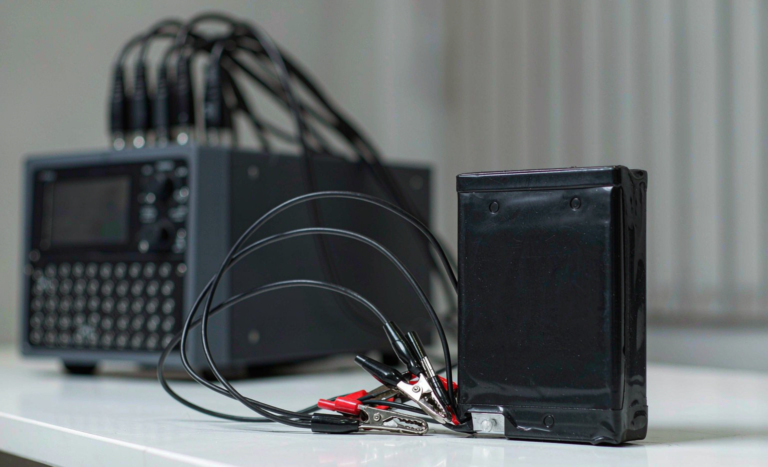
- Cell grading and formation. We run formation cycles and sort cells by internal resistance and capacity, because a pack built from poorly graded cells loses usable kWh within a year. Grading protects the real cost per kWh over lifetime.
- Standard compliance. Every cell must clear UN38.3 (T.1 through T.8 transportation simulation), IEC 62133-2 for portable safety, and IEC 62619 or UL 1973 for stationary and industrial use. Non-compliant cells are a hidden liability, not a saving.
- Duty-profile modeling. We simulate the actual charge-discharge profile — depth of discharge, temperature, and C-rate — to predict real cycle life, then back-calculate the true cost per kWh delivered over the warranty window.
A Procurement Checklist for the Best Cost
When you brief a manufacturer for a custom battery solution, specify the following so the quote reflects reality rather than a best-case brochure number:
- Target usable kWh and the operating temperature range.
- Required cycle life at your actual depth of discharge.
- Certification set: UN38.3, IEC 62619, UL 1973, and any regional fire codes.
- Whether the quote includes BMS, enclosure, and thermal management or is cell-only pricing.
- Grade-A cell guarantee with formation and grading data supplied.
Frequently Asked Questions
Is sodium-ion cheaper than LFP per kWh in 2026?
At the cell level, yes. Sodium-ion prismatic cells are generally $60 to $80/kWh versus $70 to $90/kWh for LFP. At the full system level the gap narrows, but sodium-ion is typically still lower for stationary and cold-climate duty.
Why is sodium-ion cell pricing falling faster than LFP?
Sodium-ion starts from abundant, cheap feedstocks — sodium chloride, hard carbon, and iron- or manganese-based cathodes — with no lithium, nickel, or cobalt. That removes the largest cost and volatility driver that LFP still carries.
Does sodium-ion last as long as LFP for stationary storage?
Modern sodium-ion grades reach 3,000 to 6,000 cycles at 80 percent depth of discharge in stationary profiles, closing the gap with LFP. For cold environments it often delivers more usable lifetime kWh because it avoids cold-induced capacity loss.
When should I still choose LFP over sodium-ion?
Choose LFP when energy density, weight, or volume is the binding constraint — aerospace, long-range drones, compact portables — or when you need proven 6,000-plus cycle life with a mature recycling chain.
How do I get a validated cost-per-kWh quote?
Share your duty profile, temperature range, target cycle life, and required certifications with a qualified manufacturer. A proper custom battery solution quote includes graded cells, compliance evidence, and a lifetime cost model rather than a single cell price.
The sodium-ion battery cost per kWh versus LFP question no longer has a single answer — it has an application-specific one. For stationary storage, cold regions, and material-price stability, sodium-ion is the more economical 2026 choice for most B2B buyers. For maximum energy density, LFP remains king. The right move is to model your real duty profile and let the numbers decide. If you want a validated, graded quote for your application, that is exactly the kind of custom battery solution our engineering team builds every week.