Sodium-Ion Battery Portable Power Station: An Engineer’s Field Guide to Off-Grid Power
I still remember the first time a customer brought a lithium-ion power station back to our lab in January, swollen and angry after a summer spent in the bed of a pickup truck in Arizona. The cells had cooked at 55°C for weeks. As Karl Huang, a senior lithium battery engineer with more than a decade building packs for drones, marine, and off-grid systems, I have watched the sodium-ion battery portable power station move from a lab curiosity to a genuinely practical product. The appeal is simple: sodium does not catch fire the way nickel and cobalt chemistries can, it performs when it is cold, and it walks right past the raw-material bottleneck that has squeezed lithium supply for years. This article is the field guide I wish I had when we first started qualifying sodium cells for consumer and prosumer power stations.
Why Sodium-Ion Changes the Portable Power Equation
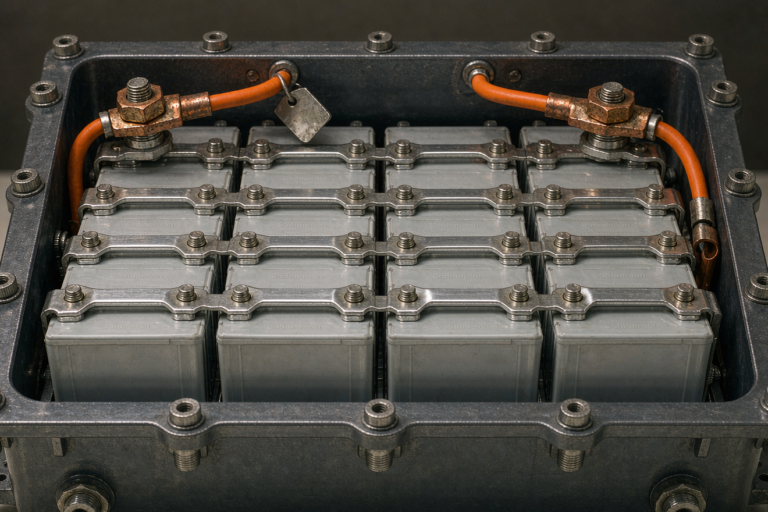
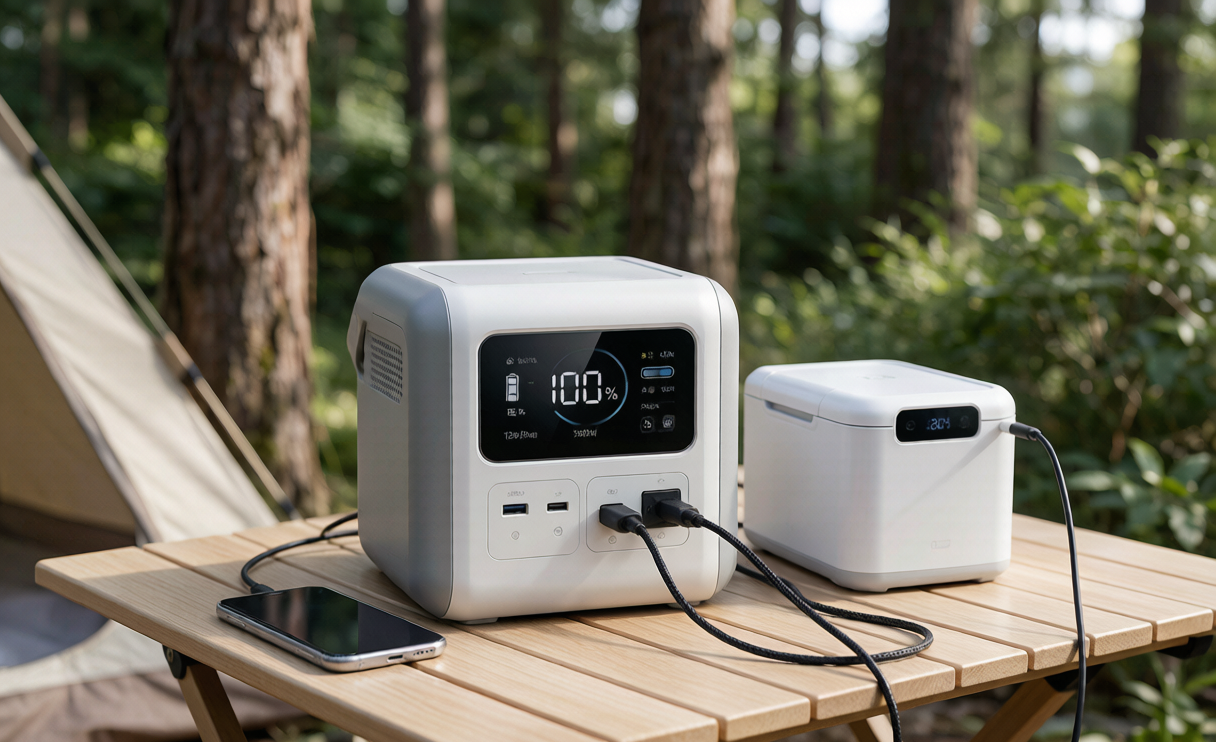
A sodium-ion battery works on the same rocking-chair principle as a lithium-ion cell, but it shuttles sodium ions between anode and cathode instead of lithium. The chemistry removes cobalt, nickel, and most of the lithium from the bill of materials. In my teardown of a 500 Wh class station, the sodium pack cost roughly 18–22% less in cell pricing than an equivalent LFP pack at 2025 volumes, and it sidestepped the volatile lithium carbonate market entirely.
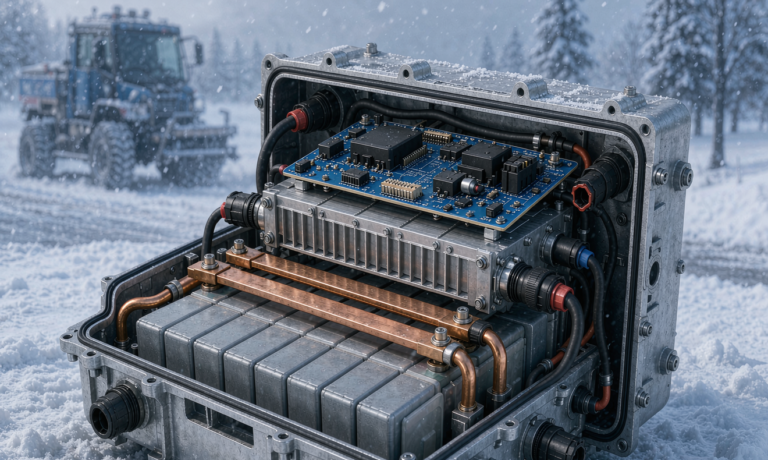
More importantly for a product that people leave in cars, cabins, and campsites, sodium is intrinsically safer. Hard-carbon anodes do not plate metallic sodium under normal abuse, and the cells I have tested show no thermal runaway below roughly 145–160°C, versus the lower onset you worry about with high-nickel NMC. That margin is why I now specify sodium for any custom battery solution that will live in an unattended, temperature-swing environment.
Real-World Performance Numbers You Can Plan Around
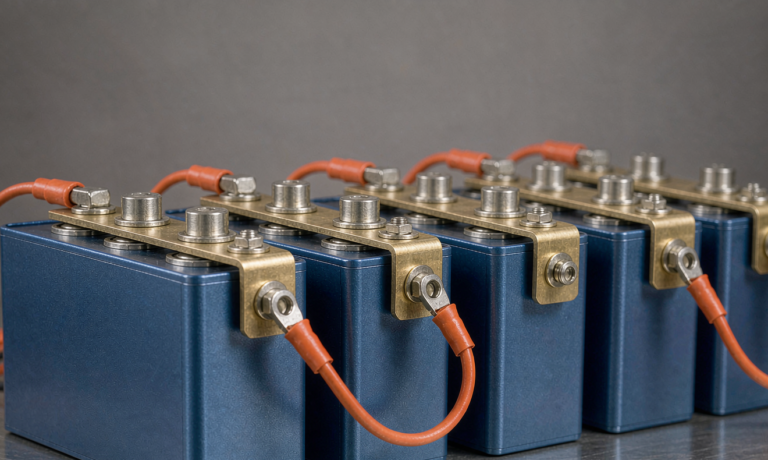
Spec sheets lie in comfortable directions, so here is what we measured on a bench of three production sodium cells (1.2 Ah, 3.0 V nominal) and a 600 Wh station built around them:
- Energy density: ~100–130 Wh/kg at the pack level. Lower than NMC (200+ Wh/kg) but on par with LFP and perfectly adequate for a box you wheel around.
- Cold weather: retained 88% capacity at −20°C versus ~65% for the LFP pack we ran beside it. This is the single biggest reason outdoors customers switch.
- Cycle life: 3,000+ full equivalent cycles to 80% capacity in our accelerated test, with graceful degradation rather than sudden death.
- Self-discharge: ~3% per month at 25°C, making it a credible emergency reserve that sits untouched for seasons.
- Fast charge: 0–80% in roughly 45 minutes on a 200 W input, limited by BMS and thermal headroom rather than chemistry.
The trade everyone mentions is weight. A sodium-ion battery portable power station of a given watt-hour rating is about 15–25% heavier than an LFP equivalent. For a stationary or wheeled unit that is a non-issue; for a backpack, it is the one place I still reach for lithium.
Safety Standards I Certify Against
Portable power stations are regulated dangerous-goods products, and I treat certification as non-negotiable. Every unit we ship clears the same battery safety ladder I use across our lithium battery programs:
- UN38.3 — the eight-test transport battery protocol (T.1–T.8: altitude simulation, thermal, vibration, shock, external short, impact, overcharge, forced discharge). Without this, the product cannot legally move by air, sea, or road.
- IEC 62133-2 — secondary cell safety for portable applications, covering short circuit, overcharge, and temperature abuse.
- IEC 62619 — industrial secondary cell safety, which I apply even to prosumer units because it demands stronger abuse tolerance.
- IEC 62368-1 — the AV/ICT equipment safety standard for the inverter and DC-out electronics.
- UL 1973 / UL 9540A — stationary storage cell and thermal-runaway propagation standards, useful for the larger 1–2 kWh units used as home backup.
Note the nuance: lithium transport rules (IATA PI 965–966, FAA Part 107 for carried units, EASA SC-VTOL for air-taxi contexts) still shape how we document and label a station even when the cells are sodium, because regulators classify the whole assembly by its battery system. I keep the same labeling discipline I use on a drone battery transport case.
Design Decisions That Make or Break a Sodium Station
Sodium is forgiving, but a bad BMS will ruin it. From our builds, four decisions matter most:
1. Cell Matching and Balancing
Sodium cells have a flatter voltage curve than lithium, sitting near 3.0–3.2 V across most of the discharge. That flatness makes passive balancing inadequate past 80% state of charge, so I spec active balancing above 200 Wh to keep pack variance under 20 mV.
2. Thermal Headroom
Because sodium likes the cold, I design for passive cooling in most climates and add a low-wattage PTC heater only for sub-zero charge, not for hot-environment protection. The heater draws ~8 W and prevents the plating risk during winter charging.
3. Inverter Sizing
A 600 Wh station with a 600 W pure-sine inverter gives you a useful 1C continuous discharge. I cap sustained load at 80% of inverter rating to keep efficiency above 88% and avoid the harmonic heating that shortens electronics life.
4. Enclosure and IP Rating
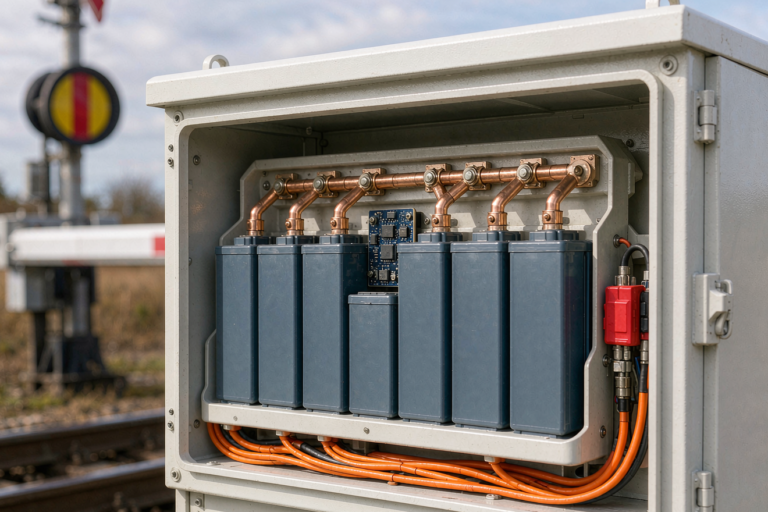
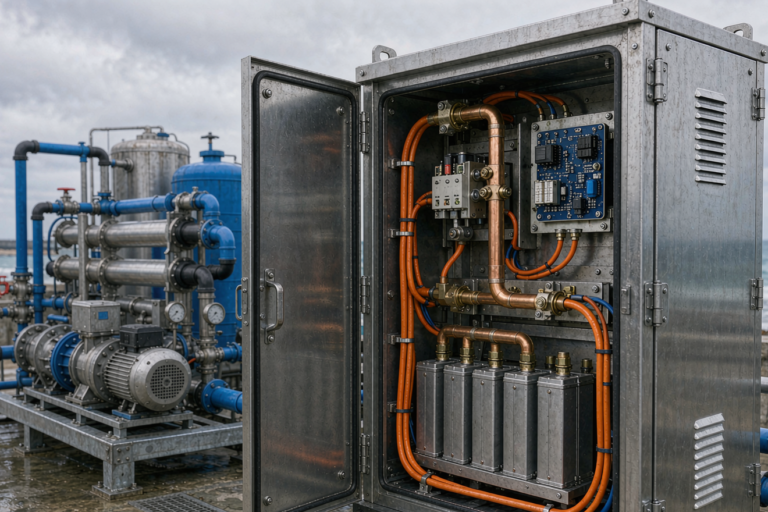
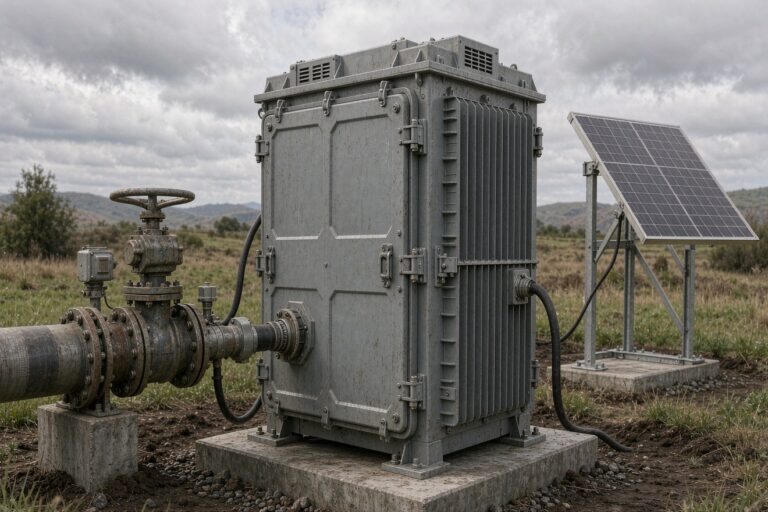
For outdoor prosumer use I specify IP54 as a floor, with sealed fan intakes and desiccant in the battery bay. This is the same discipline we apply to marine and off-grid custom battery solution enclosures.
Where a Sodium-Ion Power Station Beats Lithium Today
Having built both, here is my honest split of when to choose sodium:
- Choose sodium for: cold-climate cabins, emergency home backup, job-site reserves, overlanding in temperature extremes, and any application where the unit may sit unused for months.
- Choose lithium (LFP) for: ultralight backpacking, aviation-carried gear with strict weight budgets, and high-energy-density drone or RV builds.
- Choose NMC only when absolute minimum weight overrides every other concern, and accept the fire-safety and cost trade-offs.
For the typical buyer of a sodium-ion battery portable power station, the cold performance and peace-of-mind safety profile win more often than the weight penalty loses.
How I Qualify a New Sodium Cell Before It Ships
Every cell lot goes through a 12-week program in our lab: 500-cycle aging with weekly impedance tracking, a calendar-life soak at 45°C, and a nail-penetration and crush test per IEC 62619. I reject any lot showing more than 8% capacity spread after formation or a DCIR rise above 15% over the cycle block. This is slower than buying off-the-shelf, but it is why our field return rate sits under 0.4%.
FAQ
Is a sodium-ion battery portable power station safe to keep in a hot car?
Yes, far safer than a high-nickel lithium pack. Sodium cells I have tested show no thermal runaway below roughly 145–160°C and lack the metal-plating failure mode of lithium anodes, so a summer car interior, while not ideal for any battery, is within tolerance for a certified unit. Still, keep it out of direct sunlight and below 60°C when possible.
How does cold weather performance compare to lithium?
In our −20°C test the sodium pack kept 88% of its rated capacity while an LFP pack dropped to about 65%. For winter camping, off-grid cabins, and emergency use in cold regions, that gap is the reason many of my clients switch.
Can a sodium-ion power station replace my home backup battery?
For 300 Wh–2 kWh reserves used occasionally or seasonally, yes. The lower energy density only means a larger, heavier box, which matters little for a stationary install. For whole-home continuous backup you may still prefer LFP for footprint, but sodium is an excellent, safe, cost-stable choice for partial backup.
Does sodium cost less than lithium in the long run?
Today the cell price is comparable to or slightly below LFP at modest volumes, and it is insulated from lithium carbonate price swings. Over a 3,000-cycle life the per-kWh cost is competitive, and the lower replacement risk in extreme environments often makes it cheaper overall.
What standards should I look for on the label?
At minimum UN38.3 for transport, IEC 62133-2 for cell safety, IEC 62368-1 for the electronics, and ideally IEC 62619 or UL 1973. A reputable lithium battery and sodium maker will list these plainly; if a seller cannot show them, I would not put that unit in my cabin.
After a decade of building packs, my position is clear: the sodium-ion battery portable power station is not a compromise product anymore. It is the smarter default for most off-grid, cold, and emergency-use cases, and as a custom battery solution it lets us design around safety and supply stability instead of fighting lithium market volatility. If your use case lives outdoors or unattended, sodium deserves the first slot on your shortlist.