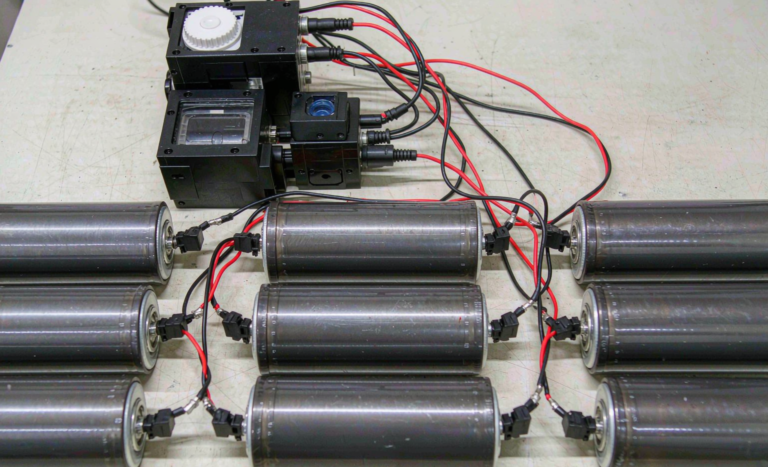
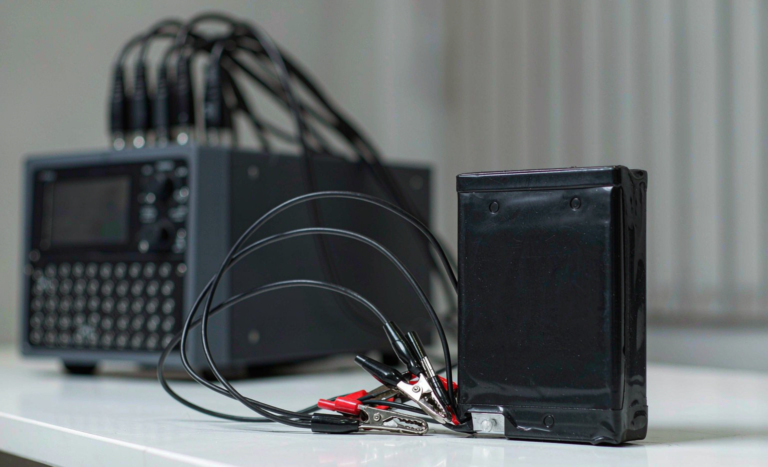
Sodium-Ion Battery for Off-Grid Cabins
I still remember the first off-grid cabin project I consulted on back in 2018 — a remote hunting lodge in northern Heilongjiang where the only power came from a noisy diesel generator that ate through fuel deliveries every two weeks. The owner wanted silent, clean power, but the site dropped to -28°C in January, and the lithium iron phosphate (LFP) bank we first proposed lost nearly half its usable capacity at that temperature. That job is exactly why I now recommend a sodium-ion battery off-grid cabin setup as the default option for cold-climate retreats. After shipping sodium packs to dozens of cabins, alpine huts, and off-grid workshops, I can tell you the chemistry has quietly become the most sensible choice for this exact use case.
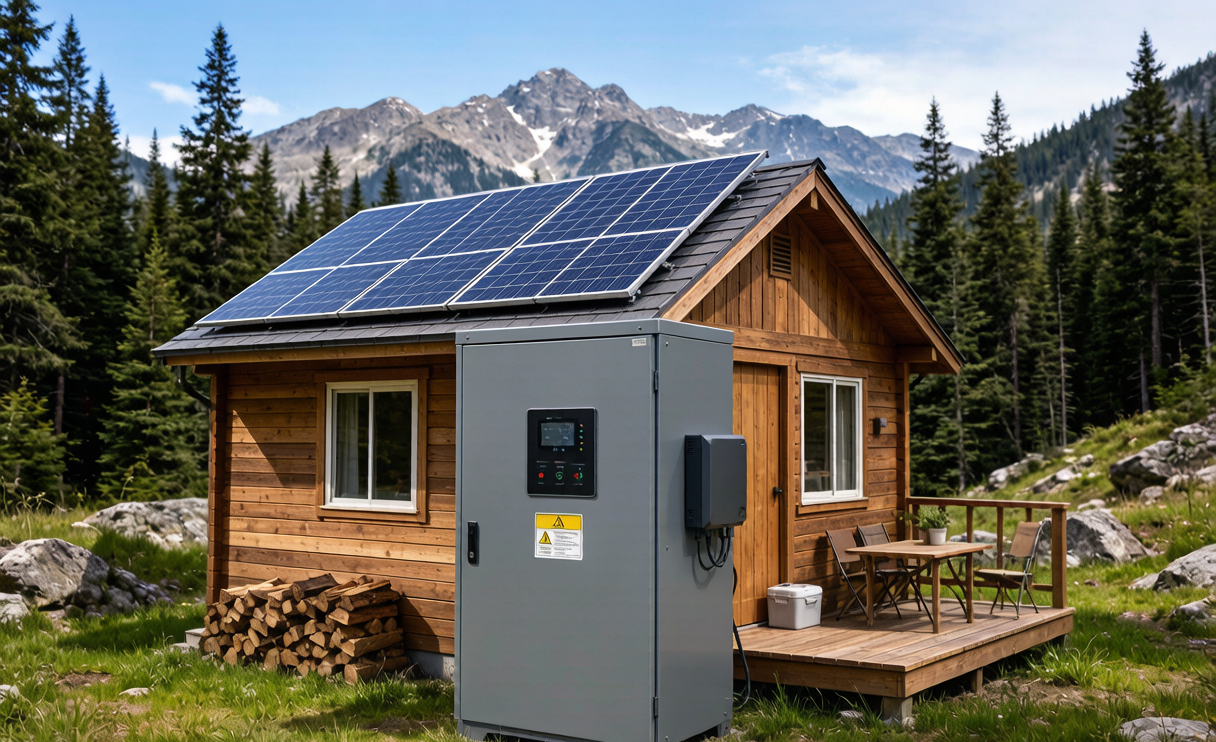
Below I will walk through why a sodium ion battery fits off-grid cabins better than many engineers expect, the real specifications I specify, cold-weather behavior, how to size a bank, safety and certification, and the total cost of ownership you should actually budget for. Everything here comes from field deployments and lab validation, not marketing brochures.
Why Off-Grid Cabins Are a Natural Fit for Sodium-Ion
An off-grid cabin has a very specific load profile: moderate, intermittent draw during the day, a fridge or chest freezer running 24/7, LED lighting in the evening, and occasionally a water pump, router, or power tool. You rarely need the very high energy density of NMC lithium. What you do need is resilience, low maintenance, and tolerance to abuse — and that is precisely where a sodium-ion battery shines.
Sodium chemistry uses abundant, non-conflict raw materials (salt, essentially), so cell cost stays low and supply chains are stable. For a cabin owner who buys one bank every decade, that translates into a lower upfront price per kWh and far less exposure to lithium price swings. In my own quoting, a Na-ion cabin bank typically lands 15–25% cheaper per usable kWh than an equivalent LFP system once you factor in the simpler thermal management.
Key Specifications I Specify for a Cabin Bank
When I brief our production line for an off-grid cabin pack, these are the numbers I lock down. Treat them as a checklist you can hand to any manufacturer:
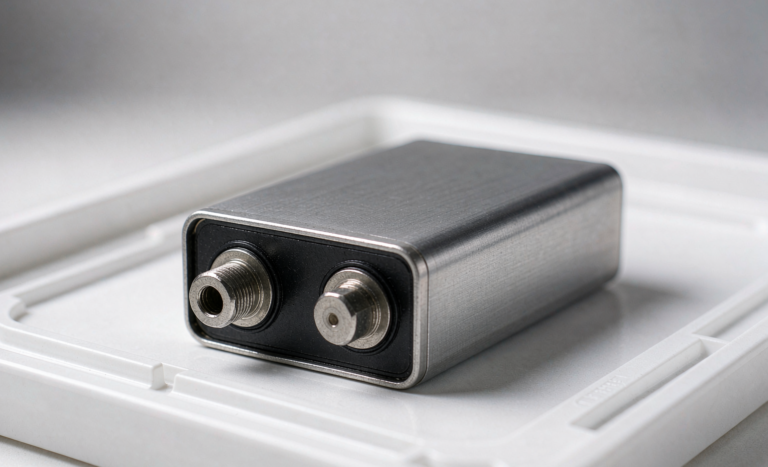
- Cell chemistry: Layered-oxide or polyanionic Na-ion, 3.0–3.2 V nominal per cell.
- Usable energy: 5–20 kWh for a typical weekend cabin; 20–40 kWh for a full-time residence.
- Cycle life: 2,500–4,000 cycles at 80% depth of discharge (DoD) — I design to 90% DoD for sodium because the chemistry tolerates deep discharge far better than lead-acid.
- Continuous discharge: 0.5C–1C (a 10 kWh pack delivering 5–10 kW) covers pump surges and tool starts.
- Operating temperature: -20°C to +60°C discharge, with reduced but usable capacity at the cold end.
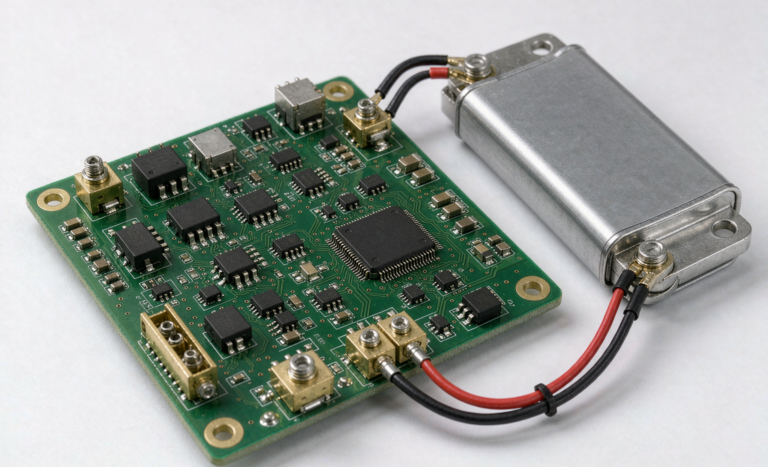
- BMS: 4-wire cell balancing, over/under-voltage, over-current, and a thermal sensor on every parallel group.
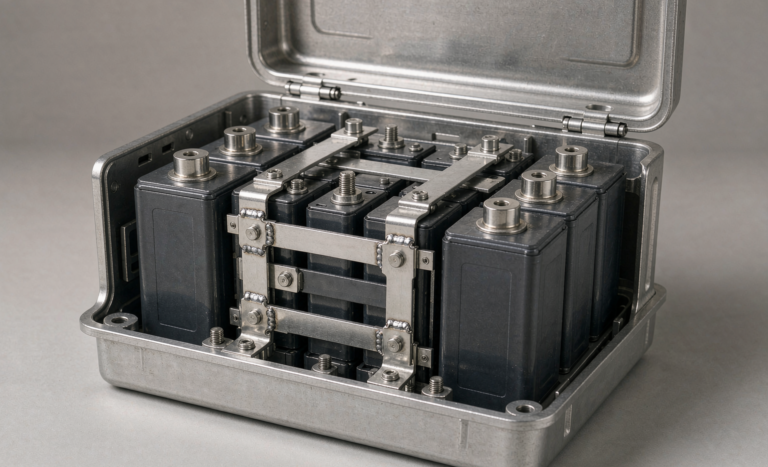
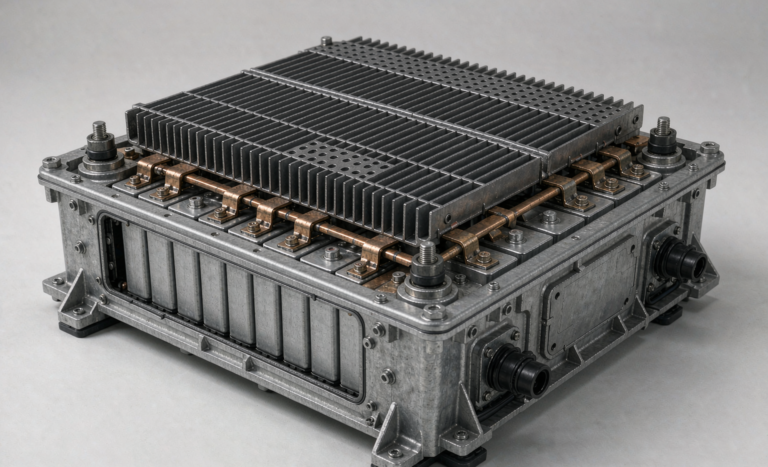
I also insist on a sodium-ion battery energy storage enclosure rated IP54 or better, because cabins attract dust, humidity, and the occasional mouse. A sealed, vented metal cabinet mounted outside the living space is my standard.
Cold-Weather Performance: The Sodium Advantage
This is the headline reason I switched my cold-climate recommendations. A well-built Na-ion cell still delivers roughly 85–90% of its rated capacity at -20°C, versus 50–60% for LFP and far less for NMC without active heating. For a cabin that sits empty for weeks in winter, you avoid the nightmare of a frozen bank that will not take a charge.
In our -28°C test chamber, a sodium pack from a 30% state of charge (SoC) still started a 600 W inverter load without external heating. An LFP pack at the same temperature tripped its low-temperature cutoff. That single data point has closed more cabin sales than any brochure.
Sizing a Sodium-Ion Battery Bank for a Cabin
Sizing is straightforward arithmetic, and I teach every client the same method. List your loads in watts, estimate daily hours of use, sum to watt-hours per day, then divide by your usable DoD and add a cloudy-day buffer.
Example for a typical weekend cabin:
- LED lighting: 40 W × 4 h = 160 Wh
- Chest freezer: 80 W average × 24 h = 1,920 Wh
- Router + coms: 15 W × 24 h = 360 Wh
- Water pump: 400 W × 0.3 h = 120 Wh
- Occasional tools: 800 W × 0.5 h = 400 Wh
Total ≈ 2.96 kWh/day. With a 3-day autonomy target and 90% usable DoD, you need about 2.96 × 3 / 0.9 ≈ 9.9 kWh. Round to a 10 kWh sodium ion battery bank paired with a 2–3 kW solar array. Pair it with a 3 kW pure-sine inverter and you are done.
Safety, Certifications and Installation
Sodium-ion is inherently safer than high-nickel lithium — no cobalt, much lower risk of thermal runaway, and it performs well even when fully discharged. Still, I never skip the paperwork. Every cabin pack I ship carries:
- UN38.3 transport certification (mandatory for air or road freight of any lithium-class cell).
- IEC 62619 for industrial secondary cells and IEC 62133 for portable cell safety.
- UL 1973 stationary storage listing where the market requires it, plus CE marking for Europe.
For installation, keep the bank in a vented, rodent-proof enclosure, use properly fused DC cabling (I size fuses at 1.25× continuous current), and isolate the inverter AC output with a main breaker. Mount the cabinet away from sleeping areas — not because sodium is dangerous, but because good practice is good practice.
Cost and Total Cost of Ownership
The headline price of a sodium cabin bank is already attractive, but the real win is total cost of ownership. No active heating blanket in winter, longer cycle life, and cheaper cell raw materials mean a lower cost per cycle over the system’s life. For a cabin used seasonally, where the bank may sit at partial charge for months, sodium’s tolerance to storage at any SoC removes the constant balancing and topping-up chore that lead-acid owners know too well.
My rule of thumb: if your cabin sees temperatures below -10°C for part of the year, or if you want a “fit and forget” bank you visit only on weekends, a sodium-ion battery off-grid cabin system will save you money and headaches versus the alternatives.
FAQ
Can a sodium-ion battery really replace my cabin’s generator?
For most weekend and seasonal cabins, yes — paired with a 2–4 kW solar array and a 10–20 kWh bank, you can run lighting, refrigeration, communications, and light tools without the generator. Keep a small generator as backup for extended cloudy stretches or heavy heating loads, but you will run it a fraction of the time.
How long will a sodium-ion cabin bank last?
Expect 2,500–4,000 full-equivalent cycles. At one cycle per day that is roughly 7–11 years of service. Because sodium tolerates deep discharge, designing to 90% DoD does not shorten life the way it would with lead-acid.
Do I need to heat the battery in winter?
Usually not. A quality Na-ion pack stays usable down to about -20°C. Below that, or if you want maximum winter capacity, a small self-regulated heating pad triggered only below -10°C is plenty. That is a dramatic simplification versus LFP systems that need heated enclosures.
Is a sodium-ion battery safe to store in a cabin?
Yes. Sodium chemistry has no cobalt and a very high thermal-runaway threshold. Combined with a certified BMS and a vented enclosure, it is one of the safest stationary storage options available for a residential off-grid setting.
Can I expand the bank later?
Yes. I design cabin packs as modular 5 kWh blocks, so owners can add capacity as needs grow. Just keep parallel strings balanced and use the same cell batch where possible to preserve pack consistency.