Home Energy Storage for Electric Resistance Heating
Electric resistance heating is the most forgiving load in a house and one of the hardest to run affordably. Baseboard heaters, electric furnaces, and portable space heaters convert nearly every watt into useful heat, but they also concentrate a winter’s worth of demand into a few expensive evening hours. I have spent more than a decade designing lithium battery packs for residential and industrial customers, and resistance heat is the application where a home energy storage system either earns its keep or sits idle. In this article I will walk through how to size, specify, and integrate a home energy storage battery around electric resistance heating, drawing on real projects, field data, and the standards that govern safe installation.
What Electric Resistance Heating Loads Actually Look Like
Resistance heat is deceptively simple from an electrical standpoint. A baseboard heater is a resistive element, typically rated between 500 and 2,000 watts, wired to a 240 volt circuit and controlled by a thermostat that cycles the element on and off. An electric furnace uses a bank of strip heaters, commonly 10 to 20 kilowatts, to push warm air through ductwork. Portable space heaters add another 750 to 1,500 watts wherever an outlet is convenient. Ceiling and floor radiant cables behave much like baseboard units but run for longer, quieter cycles.
What matters for a home energy storage system is not the nameplate wattage but the duty cycle and simultaneity. In mild weather a baseboard circuit might draw power for ten minutes out of every hour. During a cold snap several rooms cycle at once and the aggregate draw climbs quickly. I have logged homes where a modest looking bedroom heater ran for 45 minutes of every hour overnight. Multiply that across six or seven circuits and the nightly energy adds up to tens of kilowatt-hours. This is the profile that storage has to serve, and it is very different from the short, sharp peaks of a motor or compressor.
Why a Home Battery Changes the Economics of Resistance Heat
The case for pairing storage with resistance heat rests on three benefits. The first is time-of-use arbitrage. In many utility territories electricity costs two to three times more during the evening peak than overnight, so a home battery can charge at the cheap rate and carry the house through the expensive heating hours, flattening the winter bill without requiring the homeowner to replace working heaters. The second is backup heat. During an outage in a cold climate, keeping one or two rooms warm prevents frozen pipes and keeps vulnerable occupants safe, and a battery starts instantly with no fuel handling. The third is solar self-consumption, because resistance heat is an excellent sink for midday solar surplus that would otherwise be exported at a low feed-in rate.
I want to be direct about the efficiency question, because clients raise it in every project meeting. A heat pump delivers three to four units of heat per unit of electricity, so from a pure physics standpoint it beats any battery round trip. But a large share of homes, especially older housing stock in North America and Northern Europe, are wired for resistance heat with no ductwork for a heat pump retrofit. For those homes a home energy storage battery is the practical lever that makes the existing heaters affordable to run. Storage does not have to beat the heat pump; it has to beat the tariff.
Sizing Storage: Energy First, Power Second
Sizing starts with an energy audit of the heating circuits you actually intend to back up or shift. For time-of-use arbitrage, multiply the average power draw of those circuits during the peak window by the window length, then add 15 to 20 percent for inverter and battery losses. A living room and two bedrooms with baseboard heaters averaging 2.5 kilowatts combined across a five hour peak window need roughly 15 kilowatt-hours of usable capacity. For backup, decide which rooms are critical and size for the expected outage duration; 24 hours of backup heat for 2.5 kilowatts of continuous load means 60 kilowatt-hours, which pushes most homes toward a modular, stackable battery architecture.
Power rating matters as much as energy. Resistive loads draw their full current continuously for as long as the thermostat calls, so the inverter’s continuous rating, not its surge rating, is the limiting specification. A 5 kilowatt continuous inverter comfortably serves three or four baseboard heaters but will trip on a 15 kilowatt electric furnace. I always derate lithium packs by 10 percent at low state of charge and verify that the battery management system will not curtail output on a cold morning, which I will come back to shortly.
Battery Chemistry and Cold-Weather Behavior
For residential heating duty I specify lithium iron phosphate cells in nearly every case. LFP offers 4,000 to 6,000 cycles to 80 percent depth of discharge, excellent thermal stability, and no cobalt or nickel in the cathode. Nickel manganese cobalt chemistries pack more energy per kilogram, but in a stationary application where weight is not the constraint, LFP’s safety margin wins. Every cell I ship is certified to IEC 62133, and finished packs travel under UN38.3 test certification, which covers altitude, vibration, shock, short circuit, and overcharge.
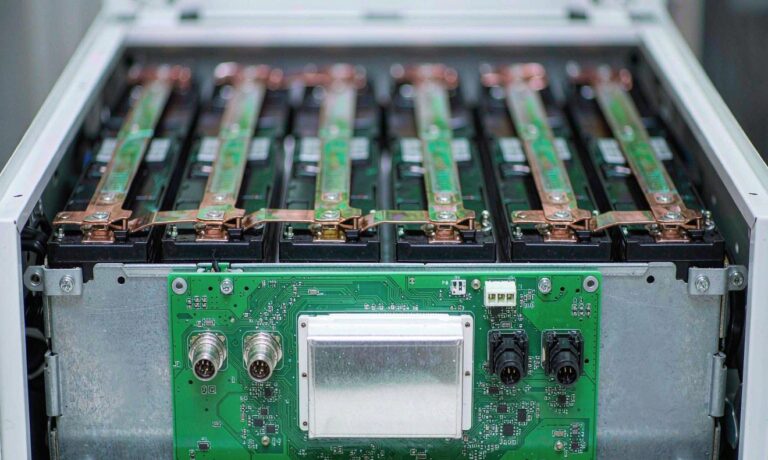
Cold weather is the engineering constraint that separates a well-designed heating backup from a disappointing one. LFP cells lose usable capacity as temperature drops, and below roughly 0 degrees Celsius charging becomes risky because lithium plating can damage the anode permanently. I address this three ways: specify packs with an integrated self-heating film or pad, locate the battery in conditioned space rather than an unheated garage, and program the battery management system to block charge current below the cell-safe threshold while still allowing discharge for backup heat. A quality residential battery storage system will warm itself before accepting charge, which costs a little energy but protects a very expensive asset.
Inverter and Control Requirements for Resistive Loads
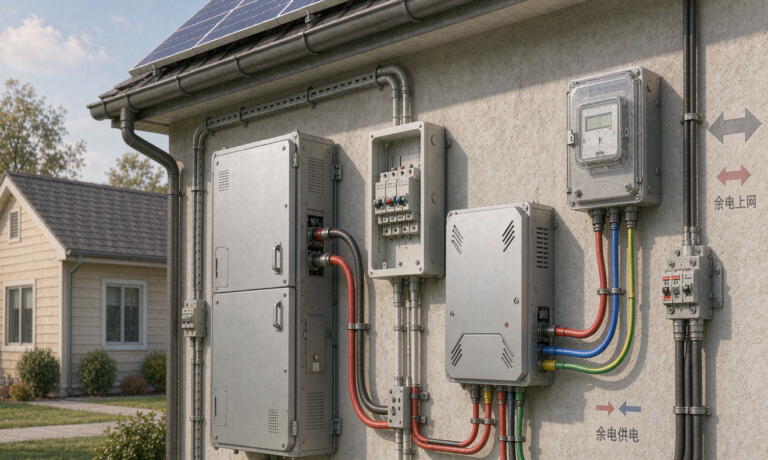
Resistive heating is electrically kind to inverters. The power factor is essentially 1.0, there is no inrush surge, and there are no harmonics to worry about, so the inverter can run at its continuous rating indefinitely without the stress that motors cause. The main requirements are a pure sine wave output to keep thermostats and control electronics happy, correctly sized breakers and cabling for the continuous current, and clean coordination between the battery, the inverter, and the heating circuits.
Control is where projects succeed or fail. I always recommend a smart electrical panel or a load-shedding module that ranks heating circuits by priority, so the battery serves the nursery before the towel rack. Protocols such as IEEE 2030.5 let the home energy storage system respond to utility signals automatically. Interlocking the largest heater with a contactor prevents the classic failure mode where the battery depletes on low-priority loads before the critical ones are served. Commissioning should include a full-load test at the coldest expected temperature, thermal imaging of every connection, and a documented disconnect sequence that a first responder can follow.
Codes, Standards, and Safe Installation
Energy storage in dwellings is governed by a layered set of requirements. In North America, NEC Article 706 covers energy storage systems and UL 9540 is the system-level listing that most jurisdictions require, while UL 9540A provides the thermal runaway test data that determines installation clearances and whether indoor placement is permitted. Grid-tied systems must also comply with IEEE 1547 for interconnection. In Europe, IEC 62619 plays a similar role for stationary storage.
Resistance heating adds its own fire-load considerations, since a baseboard heater is already one of the higher-risk appliances in a home. I keep battery enclosures out of egress paths, respect the manufacturer’s clearance dimensions, and never share a back-fed circuit with the heating circuits. Every install I commission ends with labelled disconnects, a single-line diagram posted beside the equipment, and a homeowner briefing covering what the battery will and will not carry during an outage. A home battery backup system is only as safe as its dullest installation detail.
Frequently Asked Questions
How many kWh of home energy storage do I need for electric baseboard heat?
For time-of-use shifting, multiply the average kilowatts your priority circuits draw during the utility peak window by the window length and add roughly 15 to 20 percent for losses. Three baseboard circuits averaging 2.5 kilowatts over a five hour evening peak need about 15 kilowatt-hours of usable capacity. For outage backup, size for the longest outage you are willing to tolerate and prioritize only the rooms that must stay warm.
Can a home battery run an electric furnace with heat strips?
Only if the continuous power rating covers the strip bank, which typically runs 10 to 20 kilowatts. Most residential inverters top out at 5 to 8 kilowatts continuous, so a whole electric furnace usually exceeds what a single home energy storage battery can supply. The practical approach is to interlock the furnace and back up specific rooms with baseboard units, or to add a second stackable battery module to raise the power limit.
Does cold weather reduce home battery capacity for heating?
Yes. Lithium iron phosphate cells deliver noticeably less usable capacity below freezing, and charging below about 0 degrees Celsius risks lithium plating that permanently damages the cell. A well-designed system uses a self-heating pad, installs the battery in conditioned space, and blocks charging below the cell-safe temperature while still allowing discharge. Expect roughly 10 to 20 percent less usable energy on the coldest mornings unless the pack actively heats itself.
Is it safe to pair a home battery with older baseboard wiring?
It can be, but the wiring deserves an inspection first. Resistance heat runs high continuous currents through circuits that may be decades old, and a battery that extends their operating hours also extends their exposure. Have an electrician verify breaker sizing, connection torque, and conductor condition before commissioning storage. During commissioning I thermal-image every heating circuit connection under full load to catch any weak joint before it becomes a hazard.
Should I choose home battery backup or a generator for heating?
A generator delivers unlimited runtime as long as fuel is available and handles large strip-heat loads more cheaply, but it needs maintenance, fuel storage, and a transfer switch, and it will not help you shave a time-of-use tariff. A home battery starts instantly, runs silently, pairs with solar, and covers typical overnight outages for prioritized rooms. Many cold-climate homes use the battery for short outages and peak shaving, with a generator as a last-resort layer.
Will solar plus home energy storage cover my winter heating bill?
Solar production drops exactly when resistance heating demand peaks, so winter coverage depends on the tariff structure rather than the panels alone. The realistic goal is to shift heating load from expensive evening hours to cheap overnight or midday solar hours, which can cut heating costs substantially even if the battery does not supply every kilowatt-hour. Model a full heating season with hourly load and tariff data before committing to a size.
Further Reading
References