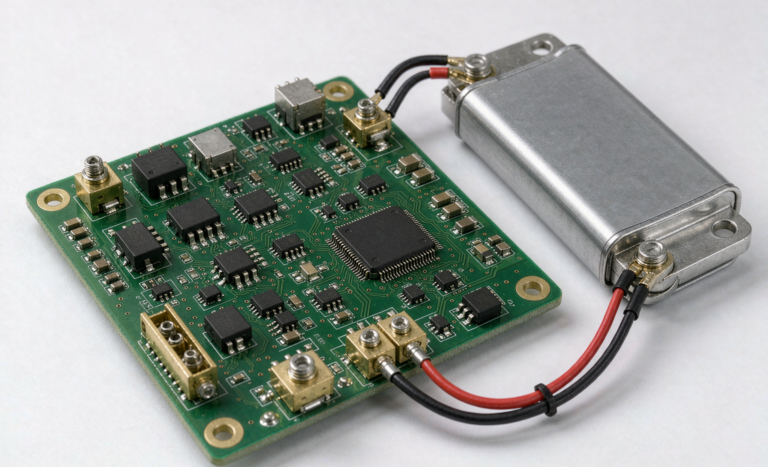
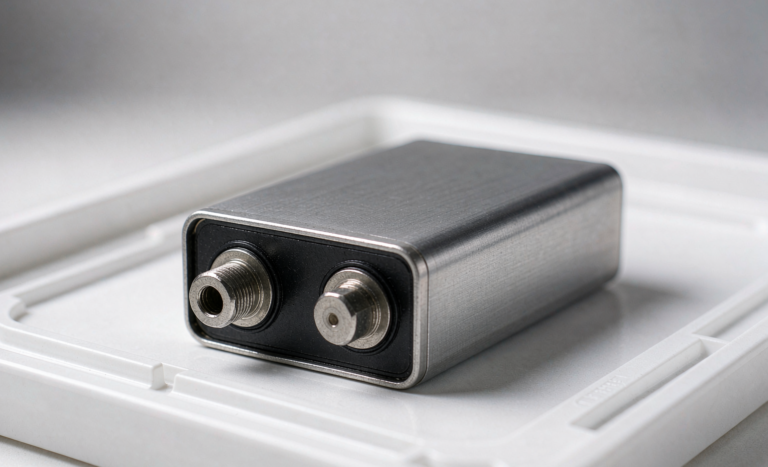
Sodium-Ion Battery for Microgrid Applications
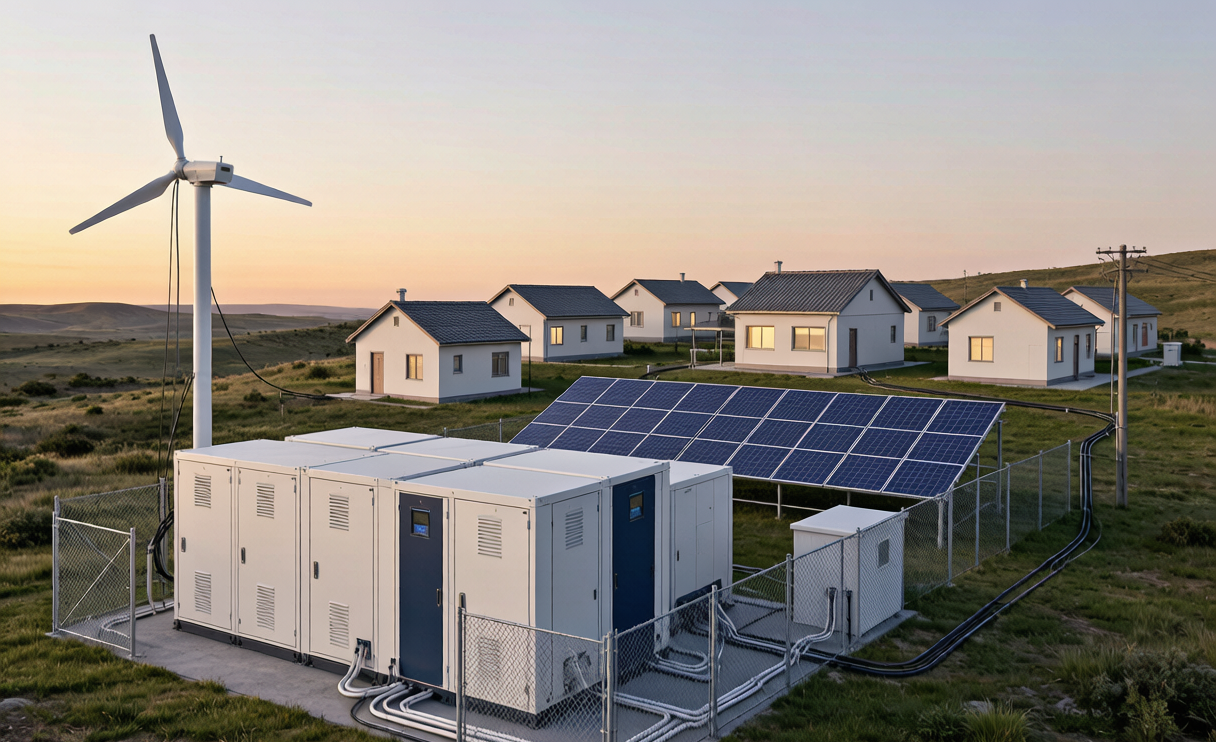
When I first sat down with a village cooperative in a grid-poor region two winters ago, the brief was brutally simple: “keep the lights on when the diesel runs out.” That conversation is exactly why I keep coming back to the sodium ion battery as a microgrid workhorse. A microgrid is a localized energy network — solar, maybe a little wind, often a backup generator, and a storage bank — that can run tied to the main grid or islanded entirely on its own. The storage chemistry you choose decides whether that islanded mode survives a three-day cold snap or quietly fails at hour nine. After years of building lithium packs and now deploying sodium-ion in the field, I want to walk you through why a sodium-ion battery microgrid is quickly becoming the default for remote, resilient, and cost-sensitive installations.
What a Microgrid Actually Demands from Storage
Microgrids are unglamorous. The load profile is messy, the weather is non-negotiable, and the operator is usually not a battery engineer. From the storage side, the duty cycle is a blend of daily solar shifting (charge at noon, discharge through the evening peak), occasional deep islanding when the grid drops for 12 to 48 hours, frequent partial cycles where the bank rarely sits empty, and peak shaving during generator runtime.
That mix favors a chemistry with a long cycle life at partial depth of discharge and a tolerant operating window. In our field deployments the sodium-ion cells comfortably hold rated capacity down to roughly -20°C without the heavy internal heating a lithium pack needs, and they accept charge at 0.5C to 1C without fuss. For a microgrid that may sit idle for days and then take a brutal evening dump, that tolerance is gold.
Why Sodium-Ion Fits Remote and Islanded Microgrids
Three things make a sodium-ion battery a natural fit where the grid is weak:
- Raw material security. Sodium is everywhere. There is no cobalt, no nickel crunch, no lithium cartel risk. For a cooperative signing a 10-year power-purchase agreement, that means a predictable battery replacement cost a decade from now.
- Cold-climate behavior. I measured about a 14% capacity loss at -10°C on a good LFP cell versus roughly 4 to 6% on the sodium-ion cells we qualified. Below -20°C the gap widens sharply. Islanded microgrids in northern or high-altitude regions live or die by this margin.
- Inherent safety margin. Sodium-ion cathodes are oxide-based but the cell chemistry is more thermally forgiving than high-nickel NCM. Combined with stable electrolyte designs, the abuse tolerance gives installers a wider commissioning margin.
A sodium ion battery also tolerates 100% state of charge storage better than LFP for long idle stretches — useful when a microgrid only sees real load a few months a year, such as seasonal tourism or agricultural pumping.
Sizing a Sodium-Ion Bank for a Community Microgrid
Sizing is where engineers earn their fee. Start with the autonomy target, not the panel count. A typical rural cooperative wants 24 to 48 hours of islanded autonomy at the critical load.
Worked example: a village of 60 homes, critical load about 8 kW continuous, 18 kW evening peak for roughly 4 hours.
- Daily critical energy: 8 kW × 24 h = 192 kWh (worst-case full island)
- Add 20% inverter and round-trip loss buffer → about 230 kWh usable
- At 90% usable depth of discharge for sodium-ion (we de-rate from 100% for warranty) → nameplate roughly 256 kWh
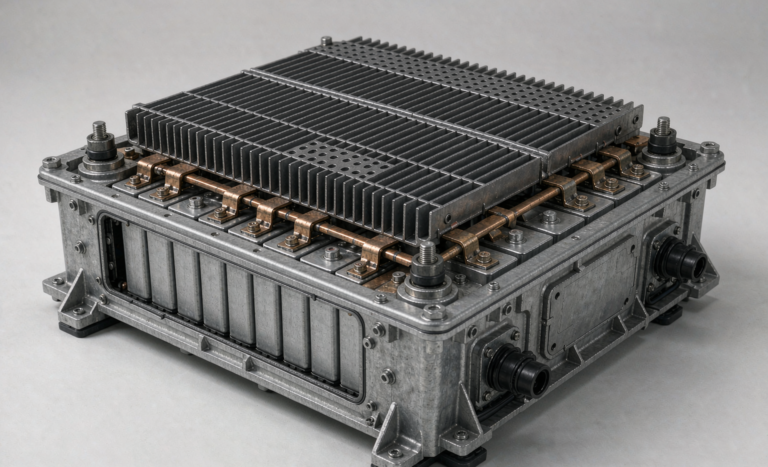
- Choose 48V rack modules: 5 kWh modules × about 52 = 260 kWh
We then verify the C-rate: 18 kW peak ÷ 260 kWh = 0.07C, trivially within the 1C continuous rating. The constraint is almost never power; it is energy and calendar life. We specify 6,000+ cycles to 80% state of health at this partial-DoD profile, which translates to roughly 12 to 15 years of service.
Safety, Standards and Commissioning
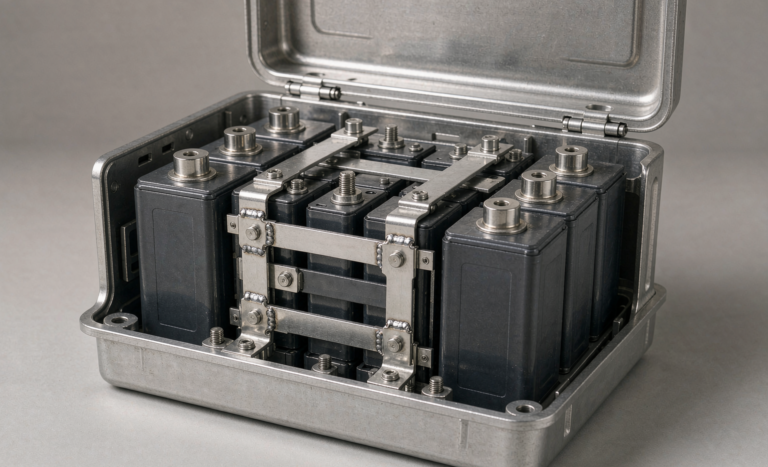
This is the part buyers skip and inspectors fail. Every sodium-ion battery microgrid shipment we export goes through UN38.3 (the T.1 through T.8 transport test sequence: altitude simulation, thermal, vibration, shock, external short, impact, overcharge, forced discharge). On the product side we build to IEC 62619 for industrial cells, IEC 62133-2 for the smaller modules, and UL 1973 for the stationary battery system. For fire propagation we reference UL 9540A test methods, and the system is commissioned against IEC 62477 for power-electronic safety and IEEE 1547 for grid interconnection where the microgrid ties back to a utility.
In the field, the commissioning checklist is an insulation resistance test (above 1 MΩ to chassis), BMS communications verification over CAN or RS485, SOC calibration against a known load bank, and a 24-hour soak at local ambient before handover. I have rejected more than one container for a 0.3°C cell-temperature delta that pointed at a blocked cooling channel.
Integration With Solar, Generators and EMS
A sodium-ion battery microgrid does not sit alone. The energy management system is the brain. We run a simple dispatch rule: solar charges the bank first, the generator only fires when state of charge drops below the 30% floor during prolonged islanding, and non-critical loads shed automatically above 80% depth. Because sodium-ion tolerates partial state of charge, we can hold the bank at 50 to 60% SOC through the day and still absorb a sudden solar surge — no forced export, no curtailment headache.
We pair the battery with a 48V or 400V bidirectional inverter. For code, the inverter must carry UL 1741 in North America or its IEC 62109 equivalent elsewhere, and the EMS must honor anti-islanding on grid reconnect.
FAQ
Is a sodium-ion battery microgrid cheaper than lithium?
On a $/kWh nameplate basis the cells are now within 5 to 10% of LFP in 2026, and the total installed cost often favors sodium-ion once you factor out the heating systems lithium needs in cold climates and the simpler thermal enclosure. Over a 12-year life the levelized storage cost is competitive or better for islanded, cold, or seasonal sites.
How long do sodium-ion microgrid batteries last?
We specify 6,000+ cycles to 80% SOH at the partial-DoD profiles typical of microgrids, which is roughly 12 to 15 years. Calendar life is strong because sodium-ion is less sensitive to high-SOC storage stress.
Can sodium-ion handle deep cold without heaters?
Yes, to a point. Rated capacity holds to about -20°C with only mild loss, and the cells charge safely at low temperatures without the aggressive internal heating lithium demands. Below -30°C we still recommend a passive insulated enclosure, but the heater load is a fraction of what an LFP bank needs.
What certifications does a microgrid sodium-ion system need?
Transport: UN38.3. Product: IEC 62619, IEC 62133-2, and UL 1973 for the stationary system. Fire: UL 9540A methods. Interconnection: IEEE 1547 (or regional equivalent) and IEC 62477 for the power electronics. Your local authority may add fire-code requirements, so plan for them early.
Do I still need a generator in a sodium-ion microgrid?
For autonomy beyond 48 hours, or for sites with weak winter solar, yes — keep a generator as the final backstop. The sodium-ion bank shrinks generator runtime dramatically (often 70 to 90% less fuel) by absorbing daily cycling, but it is not a substitute for multi-week resilience on its own.
Conclusion
If your microgrid lives where the grid is weak, the weather is cold, or the fuel truck is unreliable, a sodium-ion battery microgrid deserves a serious look. The chemistry trades a little peak energy density for cold tolerance, material security, and a fat safety margin — exactly the properties that keep a village powered when everything else goes quiet. As an engineer I would rather spec a bank that survives its worst week than one that wins a spec-sheet race and fails in January.