Home Energy Storage Fire Safety and Detector Placement
I am Karl Huang, Senior lithium battery Engineer at Horizon Power, and over the last nine years I have commissioned, audited, and repaired hundreds of residential battery systems. One question surfaces in nearly every homeowner call: the matter of home energy storage fire safety detector placement. The instinct is to drop a ceiling smoke alarm above the cabinet and call it done. In practice a lithium battery failure does not behave like a kitchen fire, and detector placement for a home battery room needs a plan rather than a guess. In this guide I walk through the detection strategy I use on real installs, the standards inspectors cite, and a checklist you can apply the same day.
Why a Battery Room Needs Its Own Fire Strategy
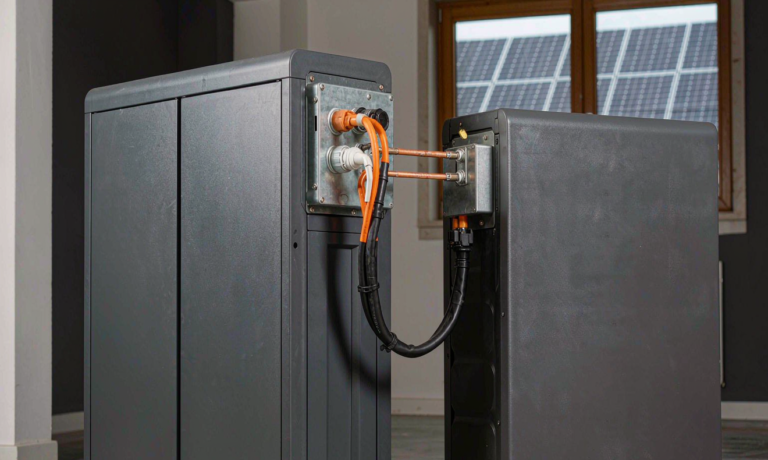
A residential lithium battery pack does not burn like wood or paper. Under thermal abuse it can enter thermal runaway, a self-sustaining chain reaction where one cell heats the next. Long before flames appear, the cells vent electrolyte vapors and flammable gases such as hydrogen, carbon monoxide, and various hydrocarbons. That off-gassing is the earliest and most useful signal we have. A home energy storage system therefore needs detection that catches gas and heat early, not just smoke after a fire is already established. I have stood in rooms where the only device was a kitchen-grade ionization smoke alarm mounted on the far wall; by the time it triggered the space was already full of irritant vapor. The goal of careful placement is to catch the event at the venting stage, when intervention is still possible and a custom battery solution with managed enclosures can be isolated safely.
Choosing the Right Detectors for Battery Storage
For battery storage in a home I specify three detection layers. First, a listed photoelectric smoke detector, referenced to UL 268 in the United States, catches particulates from early smoldering. Second, a heat detector, ideally a combination rate-of-rise and fixed-temperature unit, watches for the rapid temperature climb that precedes runaway; a fixed setpoint around 57 to 60 degrees Celsius is typical for a garage or utility room. Third, and often overlooked, a gas or VOC sensor detects the off-gassing that precedes both smoke and heat. On larger home energy storage installs I add a hydrogen or multi-gas transducer because hydrogen is lighter than air and rises fast. No single device covers the whole failure envelope, so the three together give the earliest practical warning. A lithium battery enclosure with a vented path benefits most from this layered approach because the design channels gas toward a known exit point rather than letting it pool.
Placement Rules I Follow on Every Install
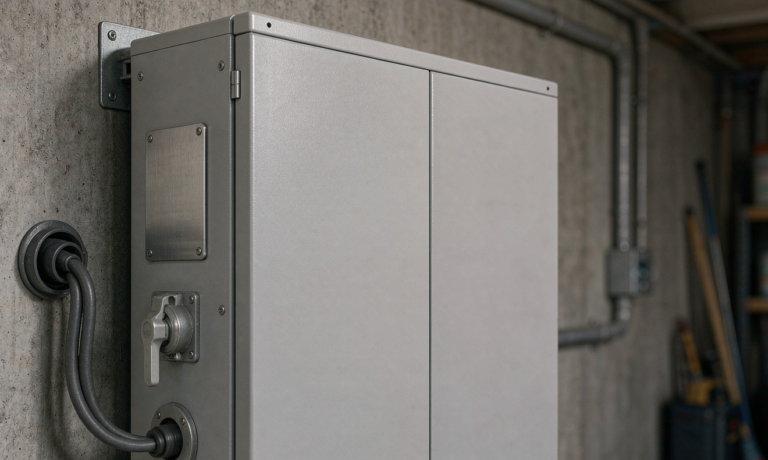
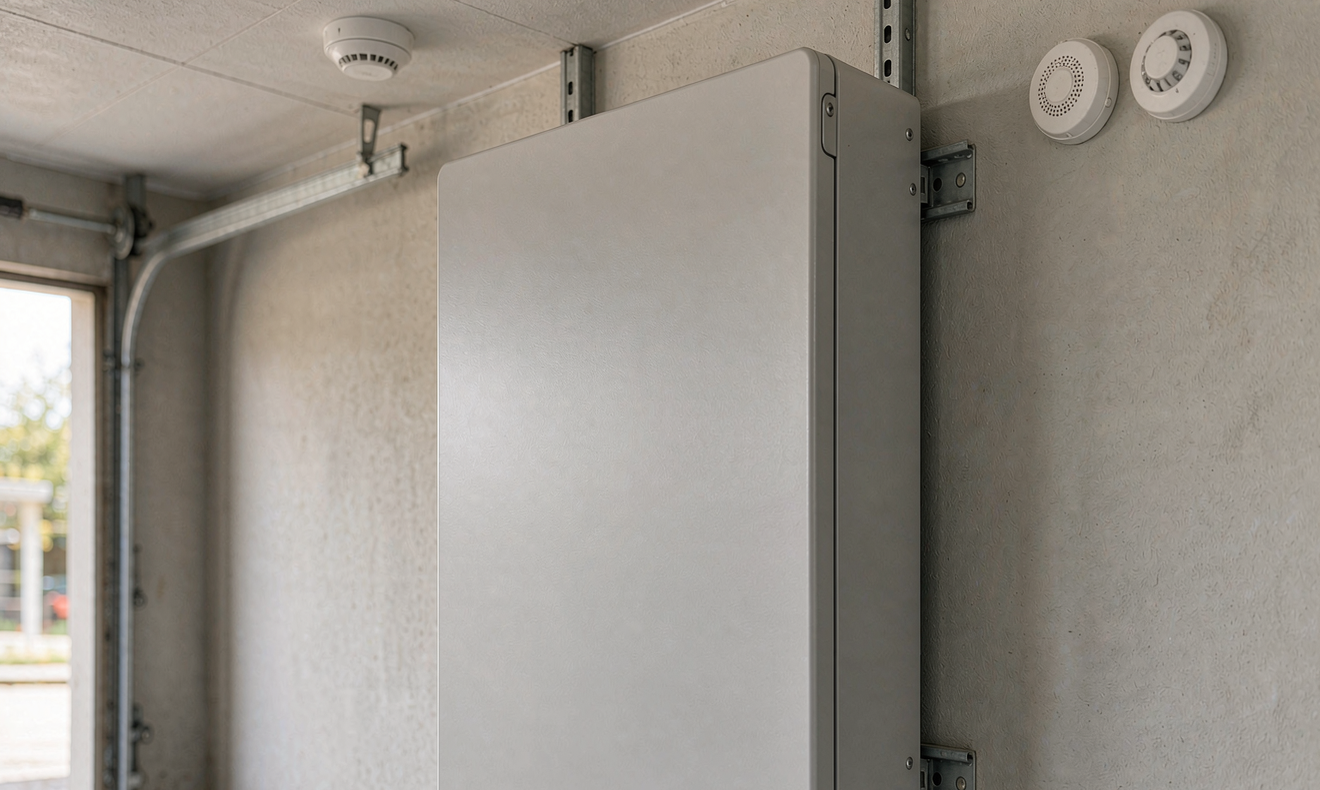
Spacing follows NFPA 72 for fire alarms, but batteries add nuances. I mount smoke detectors on the ceiling at least 300 millimeters from walls and away from the dead air pockets that form in corners. Heat detectors go on the ceiling directly above the cabinet, within the listed spacing, not tucked beside it where convection lags. For a wall-mounted home battery, I place the detector so its listed coverage radius genuinely overlaps the cabinet footprint; I have measured cases where a detector centered on the room missed the cabinet corner by a full meter. Gas sensors sit near the highest expected gas path, which for hydrogen means high on the wall or ceiling. I keep detectors out of the direct exhaust of HVAC vents, because forced air masks real signals. Every device must be listed for the environment, and I never reuse an old smoke alarm pulled from a bedroom for a lithium battery location.
From Early Warning to Real Intervention
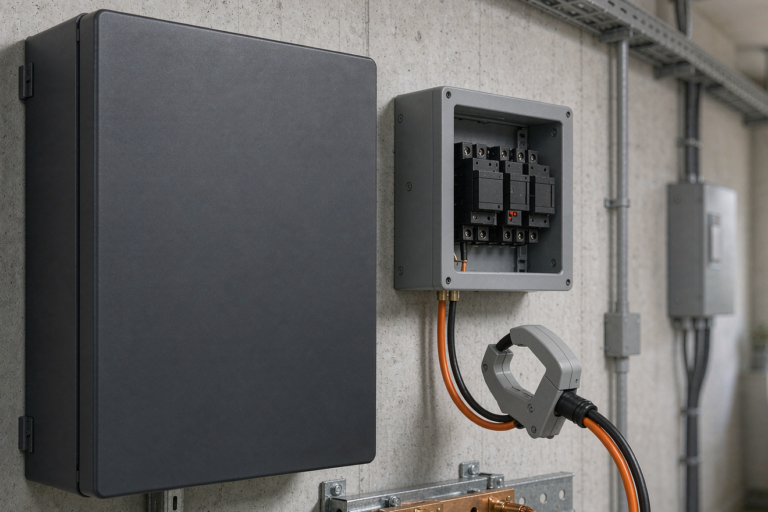
Detection is only useful if it drives action. I wire detectors into an interconnected alarm so the whole house hears a battery event, and I route a clean contact from the detection panel to the inverter and the battery management system. When gas or heat crosses threshold, the BMS can open contactors and stop charging before the cell temperature runs away. On a recent home energy storage retrofit I tied the gas transducer to a suppressant cabinet relay; a test injection of solvent vapor closed the loop in under four seconds. The point is that placement is not just about where the device hangs, but where its signal goes. A detector that only beeps locally is a missed opportunity for a residential battery system that already has a BMS and an inverter ready to act.
Codes, Standards, and What Inspectors Actually Check
The standards that matter for a home battery install are NFPA 855 for energy storage system installation, UL 9540A for fire propagation testing, UL 1973 for stationary battery safety, and IEC 62619 for industrial cells used in residential packs. Transport and service still reference UN 38.3 for cell and pack testing. Inspectors I work with look for three things: listed equipment, required separation from living space and ignition sources, and a detection plan that matches the room. I keep a one-page diagram showing detector locations, spacing math, and the signal path to the BMS; it turns a vague claim that we added a smoke alarm into a defensible design. Local authorities vary, so I confirm the AHJ requirements before final placement rather than after a failed inspection. A home energy storage plan that ignores the local code is the most common reason a commissioning gets delayed.
Common Placement Mistakes I Keep Seeing
The first mistake is treating a home energy storage cabinet like furniture and putting the detector wherever the ceiling joist is convenient. The second is relying on a single device; I still find installs with one smoke alarm and no heat or gas sensing. The third is mounting the detector outside the room, in a hallway, on the assumption that smoke will travel. By the time vapor reaches a hallway alarm, the cabinet has already vented. The fourth is ignoring the signal path; a detector that only beeps locally wastes the fact that the inverter and BMS are ready to act. On one audit I found a perfectly placed detector wired to nothing, its only output a tiny piezo inches from a sealed cabinet nobody heard. Good hardware in the wrong place, or the right place with no connection, fails the same way. The fix is rarely expensive, but it requires treating detection as a system rather than a box on the ceiling.
A Practical Placement Checklist
Before I close a panel I run the same list. Confirm the smoke detector is listed photoelectric and inside its ceiling coverage of the cabinet. Confirm the heat detector setpoint matches the room and sits above the battery. Confirm a gas or VOC sensor is present on larger packs. Confirm all devices are interconnected and that at least one clean contact reaches the BMS or inverter. Confirm detectors are clear of HVAC dead spots and at least 300 millimeters from walls. Confirm the placement diagram is in the job file. This checklist takes ten minutes and has caught more problems than any single instrument. A lithium battery deserves the same disciplined detection we give commercial battery storage, and the cost of the hardware is small compared with a missed early warning.
Where should a smoke detector be placed for home energy storage?
Mount a listed photoelectric smoke detector on the ceiling within its listed coverage radius of the cabinet, at least 300 millimeters from walls and away from HVAC dead air. For a wall-mounted home battery, center the coverage on the cabinet footprint, not the room center.
Do heat detectors work better than smoke detectors for battery rooms?
Neither alone is enough. Smoke detectors catch particulates, while heat detectors catch the rapid temperature rise before flames. I use both, plus a gas sensor, because lithium battery failure often starts with off-gassing that precedes both smoke and heat.
Should I add a gas sensor to my home battery system?
On packs above a few kilowatt hours, yes. A VOC or hydrogen transducer detects vented electrolyte vapor earlier than smoke or heat. I route its contact to the BMS so charging stops at the first sign of off-gassing.
What standard governs detector placement for residential batteries?
NFPA 72 covers fire alarm spacing, while NFPA 855, UL 9540A, UL 1973, and IEC 62619 govern the battery system itself. I treat the detector plan as part of the overall code package and confirm local AHJ rules before install.
Can I use a standard bedroom smoke alarm for my battery cabinet?
I would not. A battery room needs listed photoelectric smoke detection, a heat detector, and often gas sensing. Reusing an old ionization alarm from a bedroom misses the early off-gassing that defines lithium battery failure.
How far should detectors be from the battery enclosure?
Close enough that coverage overlaps the cabinet, but not so close that heat from normal operation causes nuisance trips. I follow the device listing for spacing and keep the heat detector centered above the enclosure within that radius.
Further Reading
References